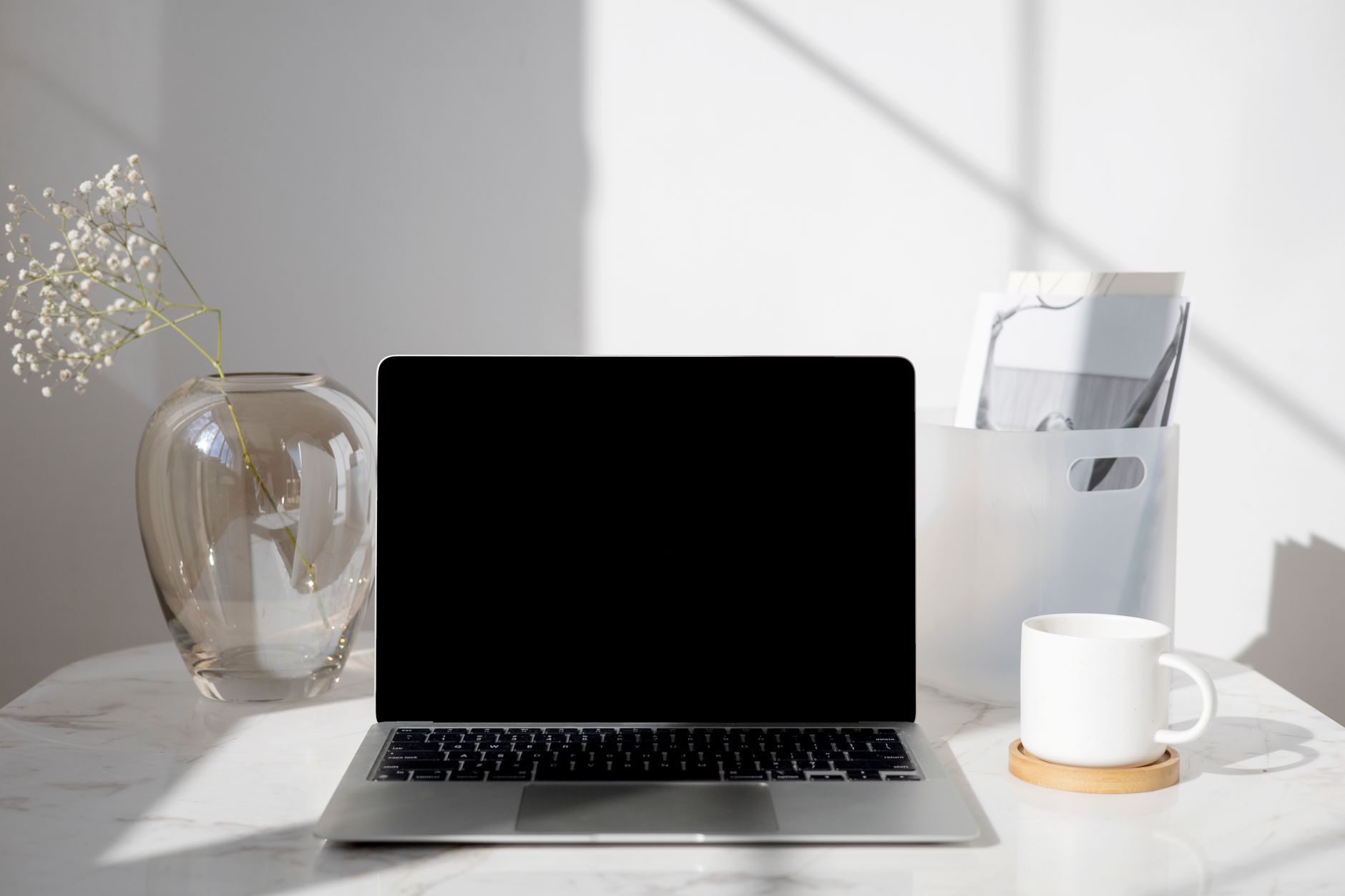
A new wave of minimalist living, led by Gen Z, is transforming productivity habits in 2026. Experts and influencers reveal how decluttering and digital minimalism are reshaping daily routines.
Minimalist living has become a dominant lifestyle trend in 2026, with Gen Z at the forefront, reshaping productivity hacks and daily routines across the globe, according to a new report from The New York Times.
This week, social media platforms like TikTok and Instagram have seen a surge in viral content centered around minimalist living, with the hashtag #MinimalistProductivity trending worldwide. Young adults are sharing their journeys of decluttering, digital detoxing, and streamlining their workspaces.
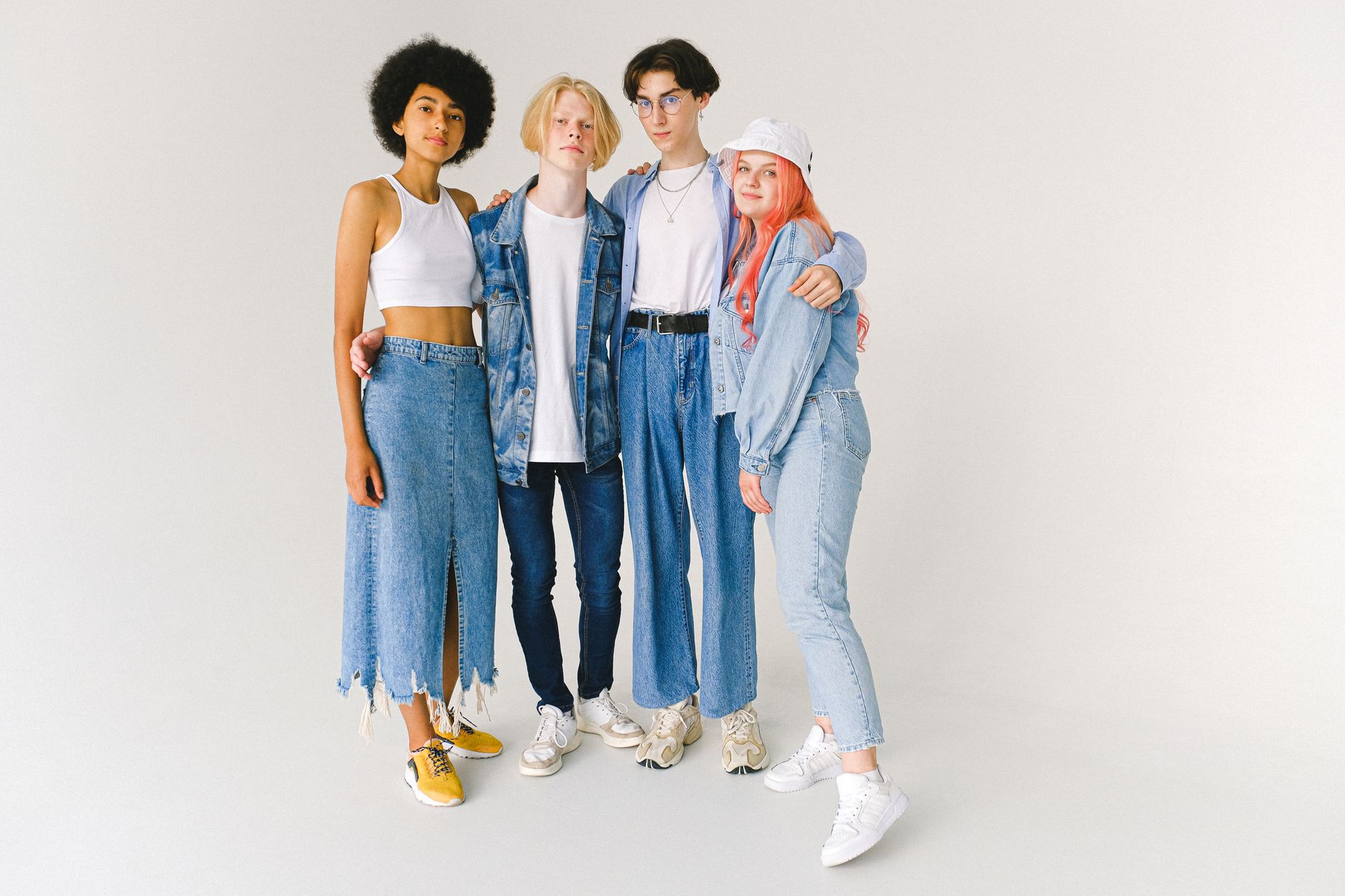
According to a March 2026 survey by Pew Research Center, 68% of Gen Z respondents said they had adopted some form of minimalist practice in the past year, a significant increase from 51% in 2024. Experts attribute this rise to growing concerns over digital overload and burnout.
Background: The Minimalism Movement Evolves
Minimalism, once associated with stark interiors and decluttered homes, has evolved into a lifestyle philosophy that emphasizes intentional living and mindful consumption. The movement gained traction in the early 2010s, but its latest resurgence is driven by digital natives seeking balance in an always-connected world.
Influencers like Marie Kondo and The Minimalists helped popularize decluttering, but Gen Z has taken the concept further by integrating digital minimalism—reducing screen time, curating social media feeds, and using technology purposefully, as reported by The Guardian.
Key Details: Productivity Hacks Go Viral
In March, the 'One-Touch Rule'—a productivity hack encouraging individuals to handle each task or item only once—went viral on TikTok, garnering over 200 million views in two weeks. Users demonstrate applying the rule to emails, chores, and digital files, aiming to minimize procrastination and decision fatigue.
Another trending hack is the 'Digital Declutter Challenge,' where participants delete unused apps, unsubscribe from emails, and limit notifications. According to productivity coach Ali Abdaal, these practices can boost focus by 30% and reduce daily screen time by two hours, as cited in Forbes.
Major tech companies have responded to this trend. Apple’s latest iOS update, released in April 2026, features enhanced Focus modes and app usage analytics, helping users monitor and restrict digital distractions. Google Workspace has introduced minimalist interface options for its productivity suite.
Decluttering Physical and Digital Spaces
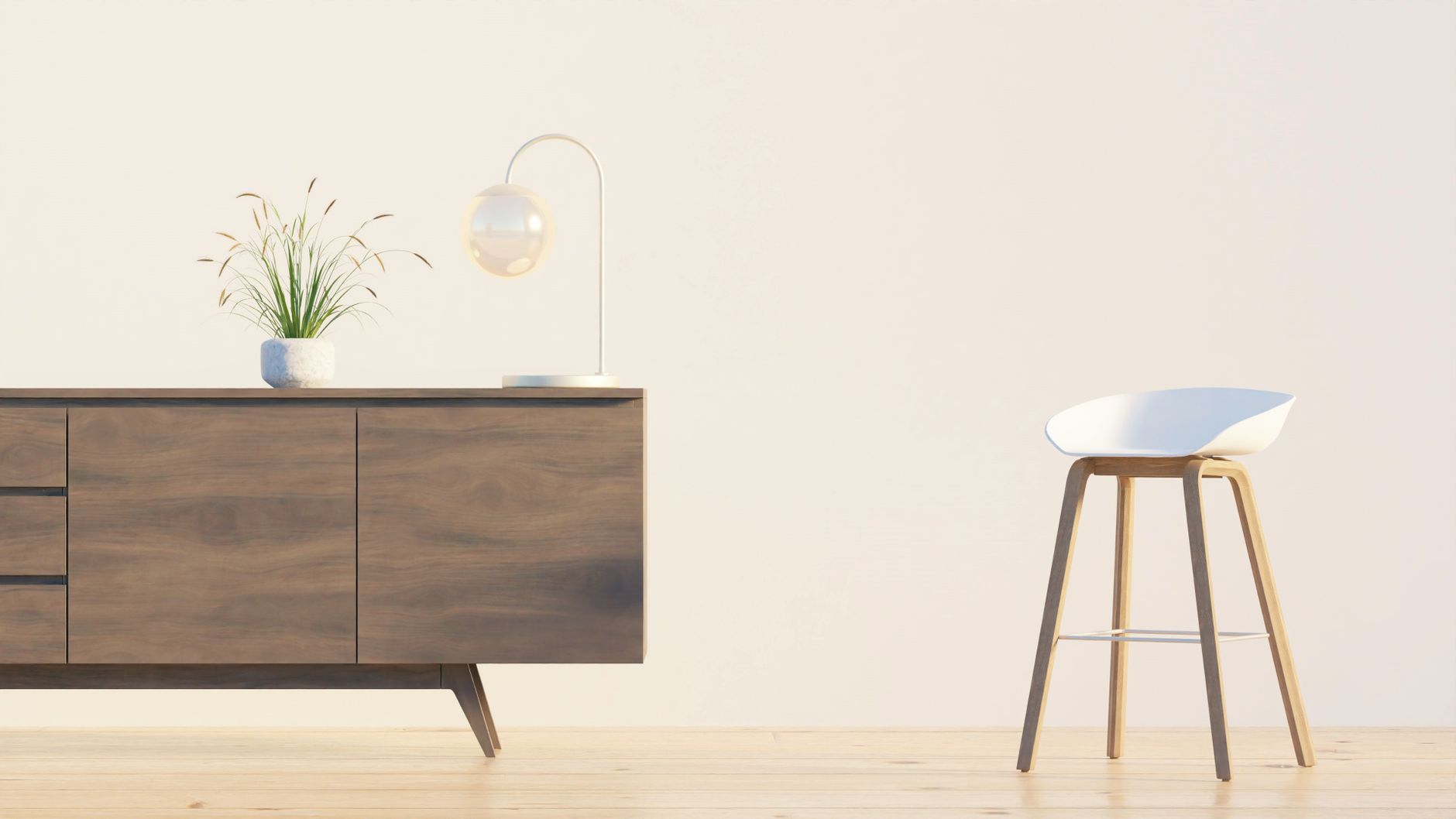
Minimalist living extends beyond digital habits. Home organization brands like IKEA and Muji report a 25% increase in sales of storage solutions and minimalist furniture since January, according to Bloomberg. Consumers are prioritizing quality over quantity, seeking versatile and durable products.
Workspaces are also being transformed. Remote workers are sharing before-and-after photos of decluttered desks, citing improved concentration and reduced stress. A Harvard Business Review study published in February found that employees in minimalist environments reported a 22% increase in productivity.
Analysis: Why Minimalism Resonates Now
Experts suggest that the post-pandemic world has heightened awareness of mental health and personal well-being. Dr. Lisa Kim, a psychologist at Stanford University, told CNBC that "minimalist living offers a sense of control and clarity in uncertain times."
Financial pressures also play a role. With inflation and housing costs rising, young adults are downsizing and prioritizing experiences over possessions. According to a 2026 Deloitte report, 58% of Gen Z consumers prefer spending on travel and wellness rather than material goods.
Social media amplifies these trends. Viral challenges and influencer endorsements have normalized minimalist habits, making them aspirational and accessible. Platforms like YouTube and TikTok now feature thousands of tutorials on capsule wardrobes, digital detoxes, and minimalist meal prep.
Impact: Changing Consumer and Workplace Behavior
Retailers and tech companies are adapting. Brands now market products as 'minimalist-approved,' and app developers prioritize simplicity. Employers are offering digital wellness programs and flexible workspaces to support employee productivity and mental health.
Educational institutions are also responding. Several universities introduced courses on digital minimalism and mindful productivity this semester, aiming to equip students with skills to manage information overload, as reported by The Chronicle of Higher Education.
What's Next: The Future of Minimalist Productivity
Industry analysts predict the minimalist movement will continue to influence design, technology, and workplace culture throughout 2026. Experts anticipate further innovation in productivity tools, with AI-driven apps that help users prioritize and automate tasks.
Mental health professionals advocate for balance, warning against extreme minimalism that can lead to deprivation or anxiety. The consensus is that intentional living—choosing what to keep, use, and focus on—will remain central to the evolving minimalist ethos.
Sources: The New York Times, Pew Research Center, The Guardian, Forbes, Bloomberg, Harvard Business Review, CNBC, Deloitte, The Chronicle of Higher Education.
Sources: Information sourced from The New York Times, Pew Research Center, Forbes, Bloomberg, and other leading publications.