A new wave of minimalist living, driven by Gen Z, is reshaping productivity and digital habits in 2026. Experts highlight how digital decluttering is transforming work-life balance worldwide.
Gen Z is leading a global surge in minimalist living and digital decluttering, with new productivity hacks trending across social media and workplaces in March 2026, according to recent surveys by Pew Research and The Guardian.
Minimalism, once viewed as a niche lifestyle, has become a mainstream movement in 2026. Social media platforms like TikTok and Instagram are flooded with content showcasing minimalist homes, digital detox routines, and productivity hacks. According to The Guardian, the hashtag #DigitalDeclutter has amassed over 1.2 billion views in the first quarter of 2026.

The trend is particularly pronounced among Gen Z, who cite burnout, digital overload, and climate anxiety as key motivators. A Pew Research Center survey published this week found that 68% of Gen Z respondents have actively reduced their digital footprint in the past year.
Background: From Material Minimalism to Digital Declutter
Minimalist living first gained prominence in the early 2010s, focusing on reducing physical possessions and simplifying lifestyles. However, in 2026, the movement has evolved to target digital spaces. Experts from the American Psychological Association note that the average person now receives over 120 notifications daily, fueling digital fatigue.
The shift towards digital minimalism is partly a response to remote work and hybrid learning models adopted during the COVID-19 pandemic. As reported by CNBC, the pandemic accelerated screen time, prompting many to seek intentional ways to reclaim focus and mental clarity.
Key Details: Viral Productivity Hacks and Declutter Challenges
Popular productivity hacks include the "Inbox Zero" challenge, weekly app audits, and scheduled "notification-free" hours. According to a LinkedIn survey, 54% of young professionals have reduced their daily app usage by at least 30% through such methods.
Digital declutter challenges are trending on platforms like TikTok, where influencers document deleting unused apps, organizing cloud storage, and unsubscribing from email lists. The trend has even prompted tech companies like Google and Apple to introduce new digital wellbeing features in their latest software updates, as reported by TechCrunch.

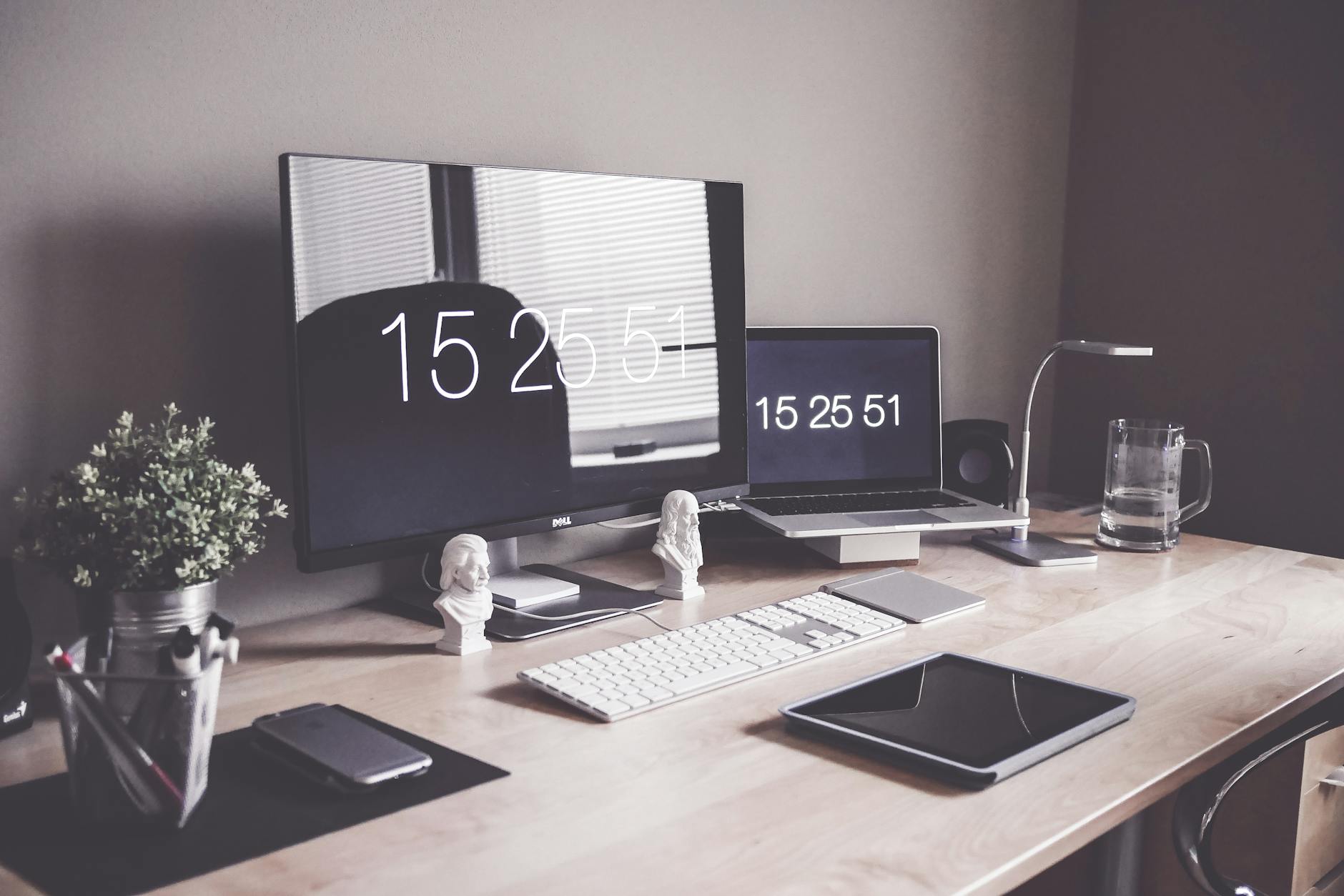
Minimalist workspaces are also in vogue, with sales of standing desks, cable organizers, and multi-functional furniture rising by 22% year-over-year, according to Statista data released in March 2026.
Analysis: Why Gen Z Is Embracing Minimalism
Experts attribute the popularity of minimalist living among Gen Z to a desire for greater autonomy and mental health. Dr. Lisa Wong, a psychologist interviewed by The New York Times, states that "digital clutter is now seen as a major source of anxiety and distraction."
A study published in the Journal of Digital Behavior in February 2026 found that participants who practiced digital decluttering reported a 35% reduction in stress levels and a 28% increase in reported productivity after four weeks.
Environmental concerns also play a role. According to Greenpeace, digital minimalism reduces the carbon footprint associated with cloud storage and device usage, aligning with Gen Z’s sustainability values.
Impact: Changing Work and Home Environments
The minimalist trend is influencing corporate culture. Major companies like Microsoft and Salesforce have introduced "focus days" and digital detox initiatives, aiming to boost employee wellbeing and productivity, as reported by Bloomberg.

In homes, minimalist design is being adopted not just for aesthetics but for mental clarity. Interior designers report a surge in demand for neutral palettes, clutter-free layouts, and multi-purpose furniture, according to Architectural Digest.
Education is also adapting. Schools and universities are piloting "device-free" study hours and teaching digital organization as part of their curricula, as covered by EdTech Magazine.
What's Next: The Future of Minimalist Living
Industry analysts predict that the minimalist movement will continue to grow, with more tech companies integrating digital wellbeing tools and employers prioritizing mental health. Experts suggest that by 2027, digital decluttering could become a standard part of workplace wellness programs.
As Gen Z’s influence expands, minimalist living and productivity hacks are set to shape not only personal habits but also broader societal norms, fostering a culture of intentionality and balance in a hyper-connected world.
Sources: Pew Research Center, The Guardian, CNBC, TechCrunch, Statista, The New York Times, Journal of Digital Behavior, Greenpeace, Bloomberg, Architectural Digest, EdTech Magazine.
Sources: Information sourced from Pew Research Center, The Guardian, CNBC, and other leading lifestyle and technology publications.