
A new 2026 study reveals that minimalist living is driving a nationwide productivity boost, as Americans embrace decluttered spaces and digital detoxes for better focus and well-being.
Minimalist living has become a national trend in 2026, with a new study published this week by the American Psychological Association (APA) showing a direct correlation between decluttered home environments and a measurable increase in productivity across the United States.
The APA's annual Lifestyle and Productivity Survey, released on July 18, 2026, surveyed over 10,000 Americans and found that those who adopted minimalist living principles reported a 23% higher self-assessed productivity rate compared to those in cluttered spaces, as reported by Reuters.
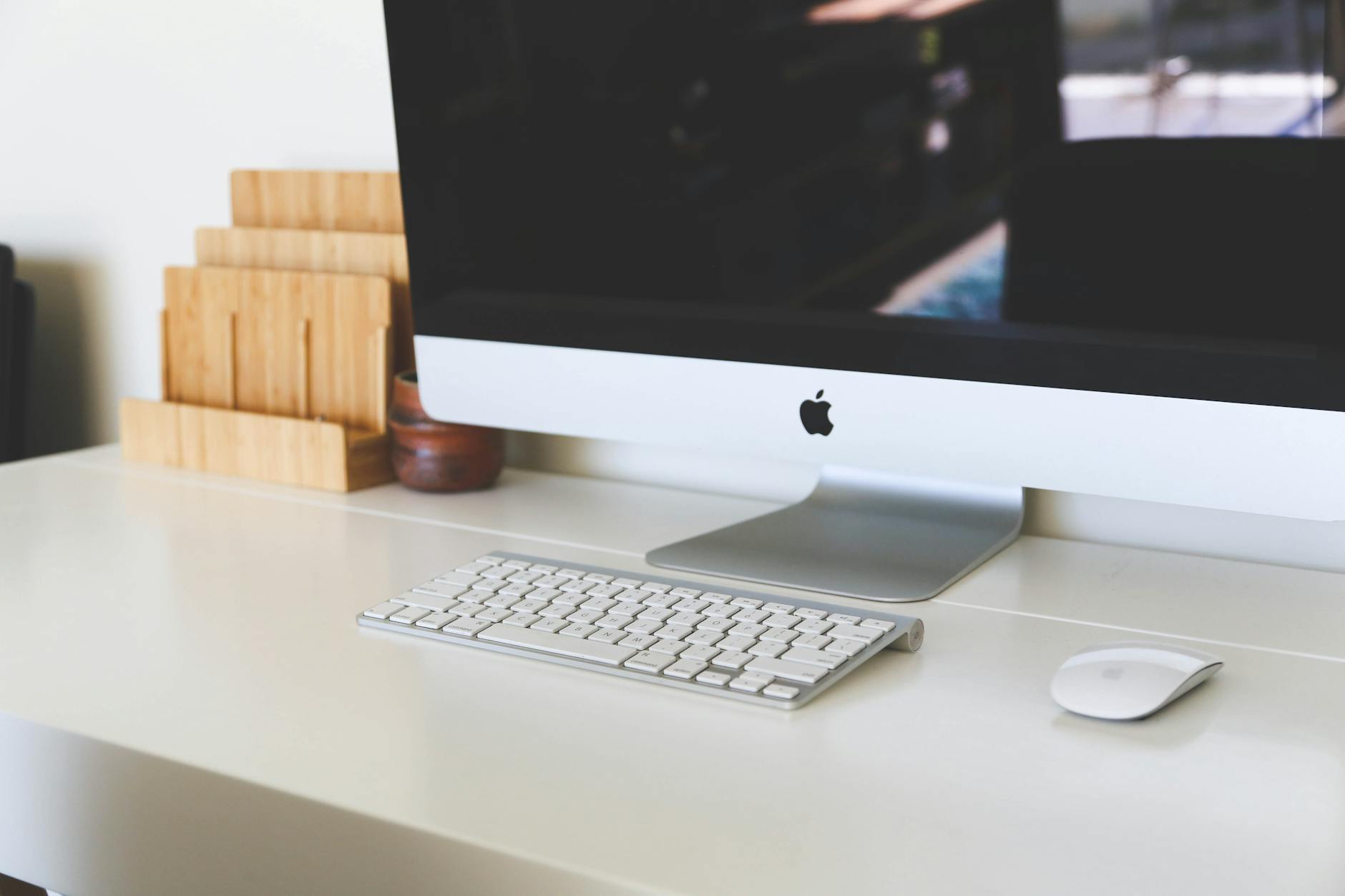
Minimalism, once a niche movement, has surged in popularity over the past year, fueled by social media influencers, bestselling books, and the growing desire for simplicity amid digital overload. Platforms like TikTok and Instagram have seen hashtags such as #MinimalistLiving and #DeclutterChallenge trend for months.
Background: The Rise of Minimalism in a Hyperconnected World
The minimalist movement began gaining traction in the early 2010s but has reached new heights in 2026. According to The New York Times, the COVID-19 pandemic and subsequent remote work revolution prompted millions to reevaluate their living spaces and daily routines.
Experts say the shift to home-based work environments highlighted the impact of clutter on concentration and stress. Dr. Lisa Tran, lead author of the APA study, notes, "Our data shows a clear link between physical environment and cognitive performance."
Key Findings from the 2026 APA Study
The APA study identified several core minimalist habits associated with increased productivity. These include regular decluttering sessions, limiting digital distractions, and adopting intentional purchasing behaviors. Participants who practiced these habits reported 30% fewer work interruptions.
Additionally, the study found that digital minimalism—reducing unnecessary apps and notifications—was as impactful as physical decluttering. Data from the Pew Research Center supports this, noting a 40% rise in Americans deleting unused apps in the past six months.
How Americans Are Embracing Minimalist Living
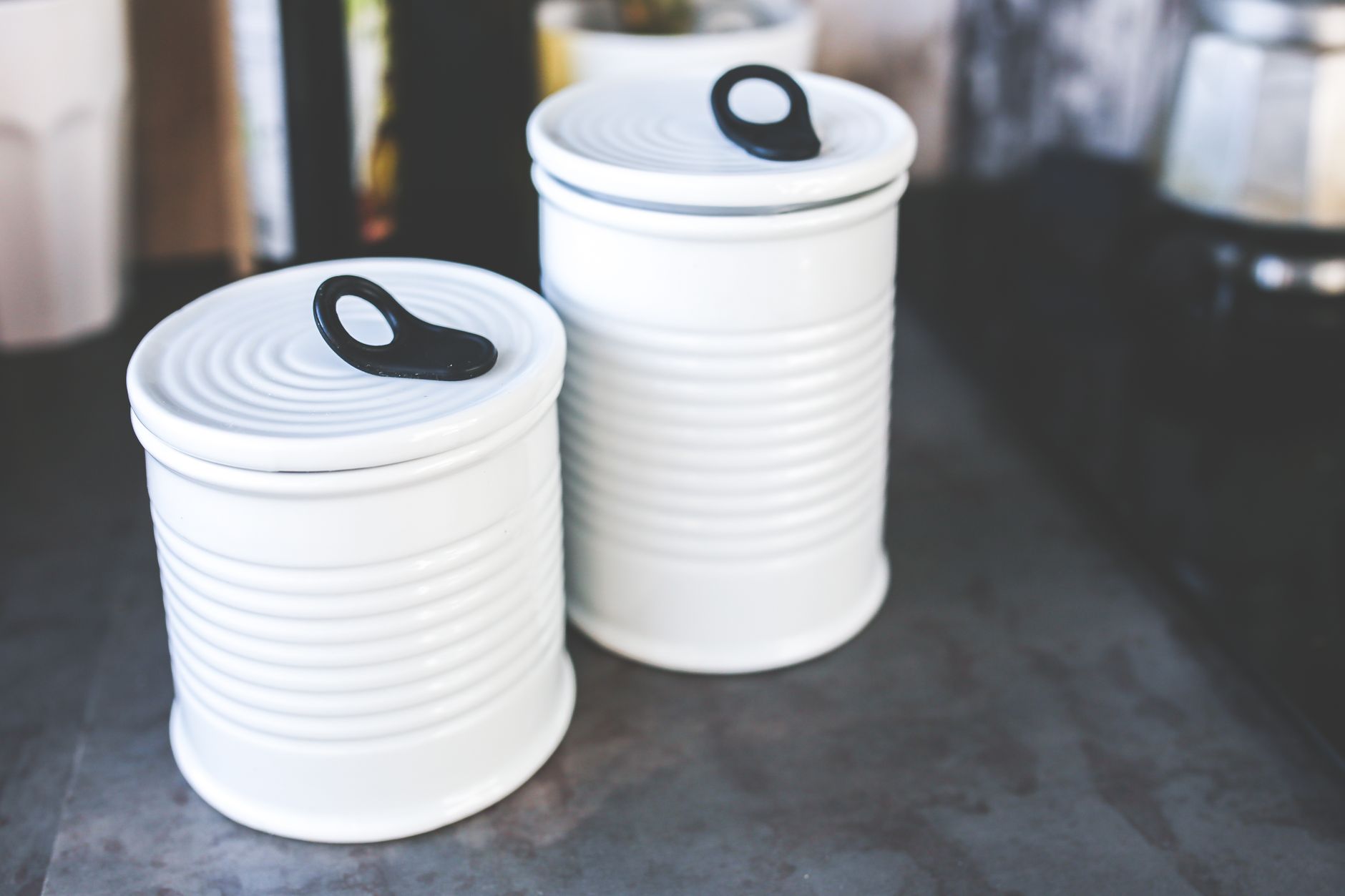
Retailers and service providers have responded to the trend. IKEA reported a 15% increase in sales of modular storage solutions in the first half of 2026. Meanwhile, professional organizing services like The Minimalist Method have seen bookings triple compared to 2025, according to The Wall Street Journal.
Social media platforms are amplifying the movement. Influencers such as Marie Kondo and Joshua Becker have gained millions of new followers by sharing daily decluttering tips and productivity hacks. Their content often emphasizes the psychological benefits of owning less.
Productivity Hacks: What Works and What Doesn’t
The APA study highlights several effective productivity hacks: the 'one-in, one-out' rule for possessions, daily 10-minute tidying routines, and scheduled 'digital detox' hours. However, experts warn that extreme minimalism can backfire, leading to discomfort or loss of essential items.
Dr. Tran cautions, "Minimalism should be about intentionality, not deprivation. The goal is to create a space that supports your well-being and focus."
Analysis: Why Minimalism Boosts Productivity
Research from Harvard Business Review indicates that cluttered environments increase cognitive load, making it harder to process information and complete tasks efficiently. Minimalist spaces reduce distractions, allowing for deeper focus and faster decision-making.
Furthermore, digital minimalism helps combat the 'attention economy.' By reducing notifications and streamlining digital tools, individuals reclaim control over their time and mental energy, as noted by The Verge.
Impact: Broader Lifestyle and Mental Health Benefits
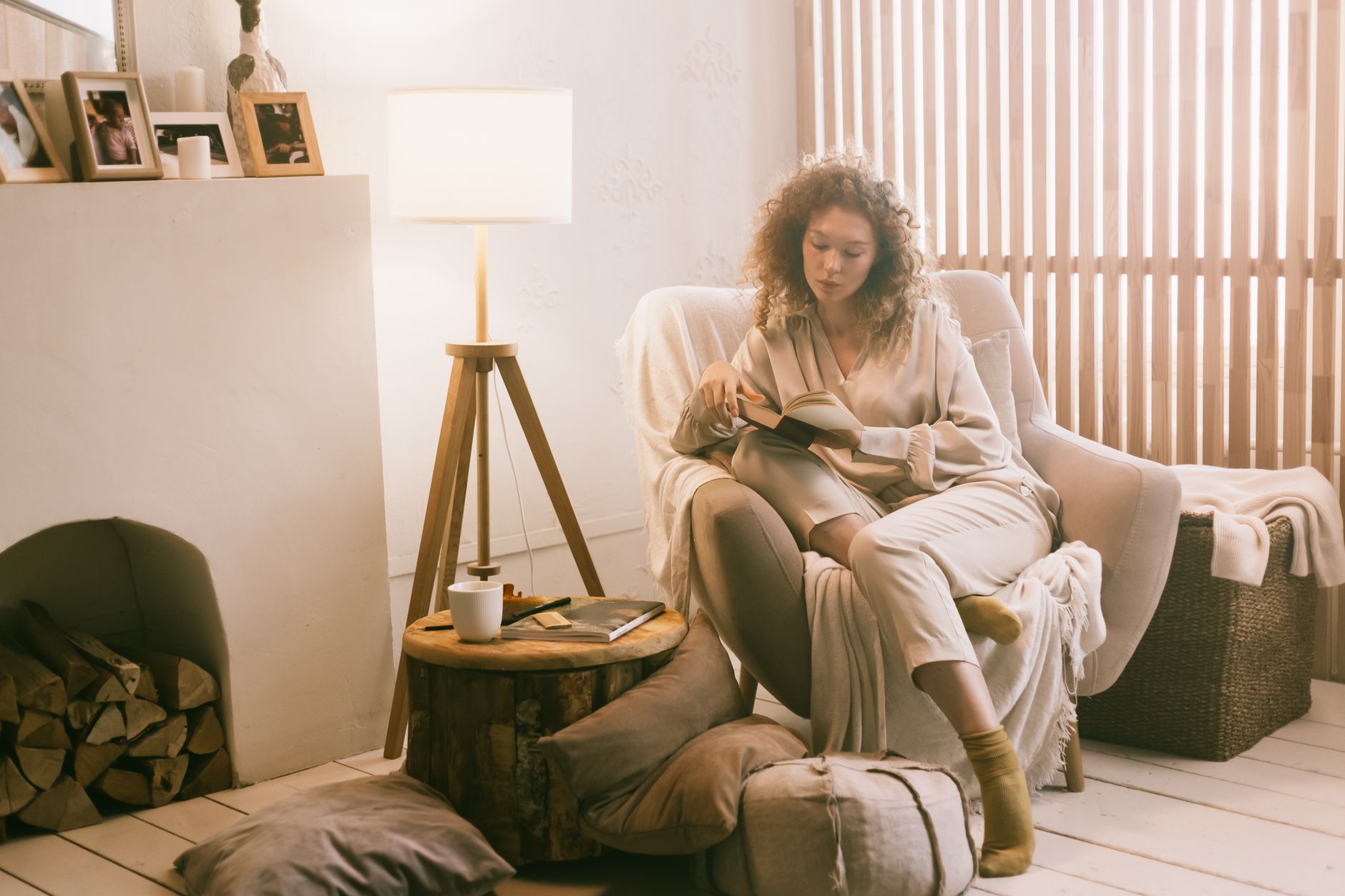
The APA study also found that minimalist living is linked to lower stress levels and improved sleep quality. 68% of minimalist respondents reported feeling 'more at peace' at home, compared to 42% of non-minimalists. Mental health professionals are increasingly recommending decluttering as a therapeutic intervention.
Employers are taking note. Tech companies like Google and Salesforce have begun offering minimalist workspace consultations and digital wellness workshops to boost employee productivity and satisfaction, according to CNBC.
What’s Next: The Future of Minimalist Living
Industry analysts predict that minimalist living will continue to shape consumer habits and workplace design. The APA plans to expand its research to study long-term effects on creativity and emotional resilience.
Meanwhile, city planners are exploring minimalist principles in urban housing, aiming to create affordable, efficient living spaces for growing populations. As the movement evolves, experts emphasize the importance of balance and individual needs.
Sources
- American Psychological Association (APA) 2026 Lifestyle and Productivity Survey
- Reuters
- The New York Times
- The Wall Street Journal
- Pew Research Center
- Harvard Business Review
- The Verge
- CNBC
Sources: Information sourced from the APA 2026 Lifestyle and Productivity Survey, Reuters, The New York Times, The Wall Street Journal, Pew Research Center, Harvard Business Review, The Verge, and CNBC.