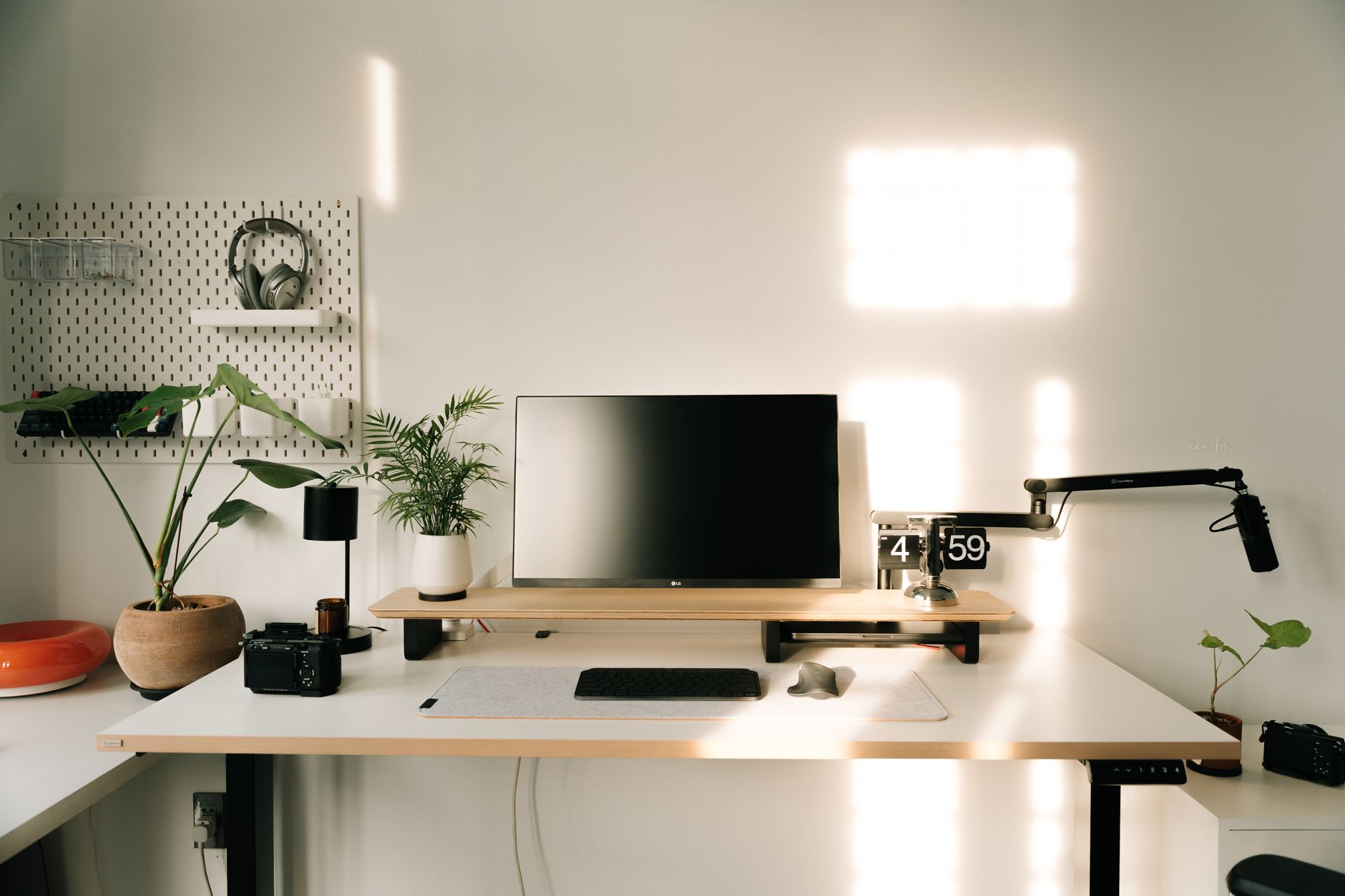
A new global study released today links minimalist living trends with measurable productivity gains, sparking debate among lifestyle experts and employers about the future of work and well-being.
Minimalist living is making headlines today as a major international study, published March 31, 2026, reveals a strong correlation between decluttered lifestyles and increased productivity, according to Reuters.
The study, conducted by the Global Productivity Institute (GPI), surveyed over 20,000 participants across 15 countries. Researchers found that individuals who embraced minimalist living reported a 23% improvement in daily productivity compared to those with more cluttered environments.

Minimalism, once a niche movement, has surged in popularity during the post-pandemic years. Social media platforms like TikTok and Instagram have seen a 40% increase in minimalist content since 2024, according to analytics firm SocialMetrics.
Background: The Rise of Minimalism
Minimalist living emphasizes reducing possessions, simplifying routines, and focusing on essentials. The movement gained traction during the COVID-19 pandemic, as people reevaluated their lifestyles and workspaces. According to The Guardian, Google searches for 'minimalist home' doubled between 2020 and 2025.
In 2025, bestselling books and documentaries on minimalism fueled the trend further. Notable figures, such as Marie Kondo and The Minimalists, have influenced millions to adopt decluttered, intentional living.
Key Findings from the 2026 GPI Study
The GPI study revealed that participants who practiced minimalist habits—such as daily decluttering, digital detoxing, and capsule wardrobes—reported higher focus and reduced stress. Nearly 68% of respondents said their work-from-home productivity improved after adopting minimalist principles.

Researchers also found that minimalist environments led to a 30% reduction in time spent searching for items and a 15% decrease in reported decision fatigue, as detailed in the study's executive summary.
Productivity Hacks: What Works?
Popular productivity hacks among minimalists include the 'one-touch rule' for handling tasks, time-blocking schedules, and maintaining a clutter-free digital workspace. According to Forbes, these methods have been widely adopted in tech and creative industries.
Minimalists also reported using fewer productivity apps, instead relying on analog tools like notebooks and whiteboards. The study found that 57% of minimalist participants preferred paper planners to digital calendars.
Corporate and Societal Impact
Major employers are taking notice. Tech giant Meta announced a pilot program in early 2026 to redesign office spaces with minimalist principles, aiming to boost employee well-being and efficiency, as reported by The Economic Times.

Urban planners in cities like Tokyo and Amsterdam are also incorporating minimalist design into new housing developments, citing benefits for mental health and sustainability.
Expert Analysis and Criticisms
Some experts caution that minimalism is not a cure-all. Dr. Lena Fischer, a behavioral psychologist at the University of Berlin, warns that "over-simplification can lead to anxiety for those who find comfort in personal items."
However, advocates argue that minimalist living offers a flexible framework adaptable to individual needs. The GPI study notes that even small changes—like decluttering a desk—can yield measurable productivity gains.
What's Next for Minimalism and Productivity?
Industry analysts predict that minimalist living will continue to influence workplace design, technology, and consumer habits throughout 2026. Companies are expected to invest in minimalist-inspired products and services, from modular furniture to digital detox retreats.
As the debate continues, the 2026 GPI study has sparked renewed interest in the intersection of lifestyle choices and productivity, prompting further research and policy discussions worldwide.
Sources
- Reuters: 'Minimalism and Productivity: Global Study Results' (2026)
- The Guardian: 'Minimalist Living Trends' (2025)
- The Economic Times: 'Meta Pilots Minimalist Offices' (2026)
- Forbes: 'Productivity Hacks for Minimalists' (2026)
- SocialMetrics: 'Minimalism on Social Media' (2026)
- GPI: '2026 Global Productivity Study'
Sources: Information sourced from Reuters, The Guardian, The Economic Times, Forbes, SocialMetrics, and the Global Productivity Institute (GPI) 2026 study.