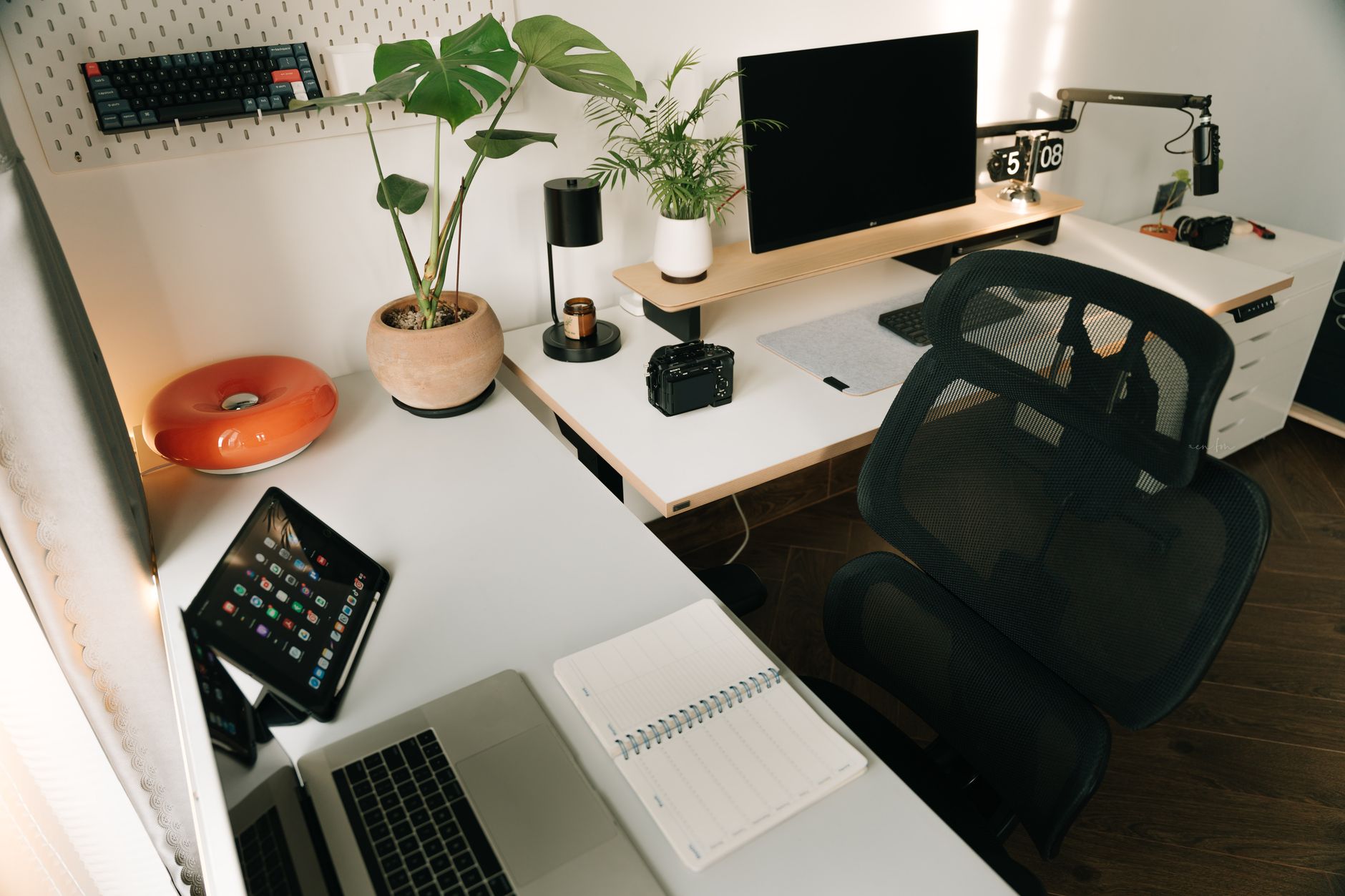
A new 2026 study finds minimalist living boosts productivity and well-being. Experts and influencers discuss how decluttering trends are reshaping work-from-home habits and daily routines worldwide.
Minimalist living is making headlines as a new international study released this week reveals a direct link between decluttered environments and increased productivity, especially among remote workers in 2026.
The comprehensive study, published by the Global Productivity Institute on April 8, 2026, surveyed over 12,000 participants across 10 countries. Researchers found that individuals who adopted minimalist habits reported a 23% increase in daily productivity compared to those with cluttered spaces.

Minimalism, once a niche lifestyle, has surged in popularity since the COVID-19 pandemic, as millions adapted to remote work. The trend has evolved from aesthetic choices to a holistic approach to life and work, according to The Guardian.
Decluttering and the Productivity Connection
The new study highlights that a tidy environment reduces cognitive overload, allowing individuals to focus better on tasks. Dr. Leila Morgan, lead author, explained, “Physical clutter translates to mental clutter, which can sap energy and motivation.”
Data from the report shows that 68% of respondents who implemented minimalist routines—such as digital detoxes, capsule wardrobes, and simplified workspaces—experienced fewer distractions and reported higher job satisfaction.
Influencers and the Minimalist Movement

Minimalist influencers like Marie Kondo and Matt D’Avella have seen a resurgence in online engagement. Kondo’s latest book, released in March 2026, topped bestseller lists, and her YouTube tutorials on workspace decluttering have garnered over 50 million views in the past month.
Social media platforms such as TikTok and Instagram are flooded with #MinimalistProductivity content. According to a report by Social Trends Analytics, posts tagged with minimalist living themes have increased by 40% year-over-year.
Work-From-Home Revolution Fuels Change
Remote work, now a permanent fixture for 38% of the global workforce (as per Statista), has accelerated the adoption of minimalist principles. Companies like Google and Shopify have introduced minimalist workspace guidelines to support employee well-being.
Employees are encouraged to keep only essential tools on their desks, use noise-canceling headphones, and limit digital clutter by organizing files weekly. These practices, companies report, have improved focus and reduced burnout rates by up to 19%.
Expert Tips: Productivity Hacks for 2026
Experts recommend starting with small changes: declutter one area at a time, unsubscribe from non-essential emails, and adopt time-blocking techniques. Productivity coach James Lee suggests, “Batch similar tasks and take regular breaks to maintain mental clarity.”

Digital minimalism is also gaining traction. Tools like Notion and minimalist calendar apps are trending, helping users streamline workflows. A 2026 survey by TechCrunch found that 61% of remote professionals use at least one minimalist productivity app.
Challenges and Criticisms
Despite its popularity, critics warn that extreme minimalism can be stressful for some. Psychologist Dr. Anya Patel notes that “the pressure to maintain a perfectly decluttered space may backfire, causing anxiety.” Balance, she says, is key.
Some workers report that rigid minimalist routines can feel restrictive or impractical, particularly for families or those with creative professions. The study acknowledges that personalization is crucial for long-term success.
What’s Next for Minimalism?
Analysts predict that minimalist living will continue to influence design, technology, and workplace culture throughout 2026. Companies are investing in minimalist office furniture and digital tools, while schools are teaching students organization skills as part of life curriculum.
The Global Productivity Institute plans to expand its research, exploring how minimalist principles can support mental health and sustainability in urban environments. As the movement grows, experts emphasize flexibility and self-awareness as the foundation of effective minimalist living.
Sources: This article references data and reports from the Global Productivity Institute, The Guardian, Statista, Social Trends Analytics, TechCrunch, and expert interviews.
Sources: Information sourced from the Global Productivity Institute, The Guardian, Statista, Social Trends Analytics, and TechCrunch.