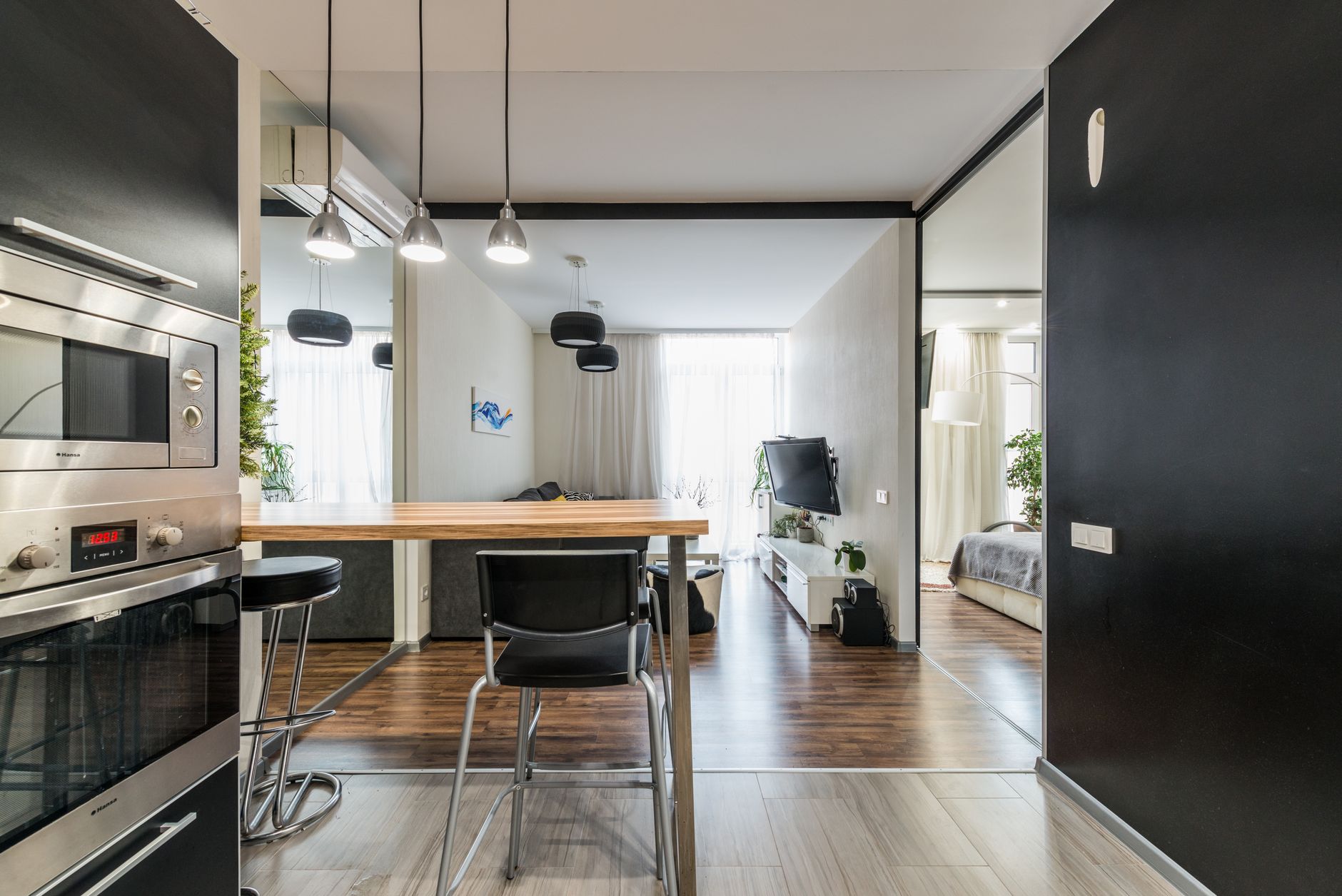
A new global study released today links the rise of minimalist living trends in major cities to significant gains in personal productivity and mental well-being, sparking widespread discussion.
Urban dwellers worldwide are embracing minimalist living, and a groundbreaking study published today by the Global Wellness Institute shows this trend is directly boosting productivity and mental health in 2026.
The report, which surveyed over 20,000 participants across 15 major cities, found that individuals who adopted minimalist lifestyles reported a 32% increase in daily productivity and a 27% decrease in stress levels, according to the Global Wellness Institute.

Background: Minimalism’s Urban Surge
Minimalism, once a niche movement, has rapidly gained traction in urban centers since the pandemic. Social media platforms like TikTok and Instagram have seen a 400% increase in minimalist content since 2024, as reported by Social Trends Analytics.Experts attribute this surge to remote work, rising housing costs, and a growing desire for mental clarity. According to The Guardian, more young professionals are downsizing their living spaces and possessions to focus on experiences and efficiency.
Key Findings From the Study
The Global Wellness Institute’s 2026 survey highlights several core benefits of minimalist living. Participants reported spending 40% less time cleaning and organizing, freeing up hours for work and leisure.Respondents also noted improved sleep quality and better focus, with 68% stating that decluttered environments made it easier to concentrate on work and personal goals. These findings align with previous research from Harvard Business Review linking tidy spaces to cognitive performance.

Productivity Hacks Gaining Popularity
Minimalist living isn’t just about owning less. The report spotlights trending productivity hacks: digital decluttering, capsule wardrobes, and time-blocking routines. According to Lifehacker, downloads of minimalist productivity apps have doubled since January 2026.Digital minimalism—reducing smartphone notifications and social media usage—was cited by 59% of study participants as the most effective strategy for maintaining focus. The Pomodoro Technique and single-tasking also ranked high among urban professionals.
Real-Life Stories: How Minimalism Transformed Lives
Case studies in the report include New York-based designer Emily Tran, who credits minimalist routines for a 50% increase in her freelance output. "I spend less time searching for things and more time creating," Tran told Reuters.In Tokyo, software engineer Hiroshi Sato downsized to a 300-square-foot apartment and adopted a strict one-in, one-out rule for possessions. He reports feeling "lighter, more focused, and less anxious," echoing survey trends.
Corporate Adoption and Workplace Shifts
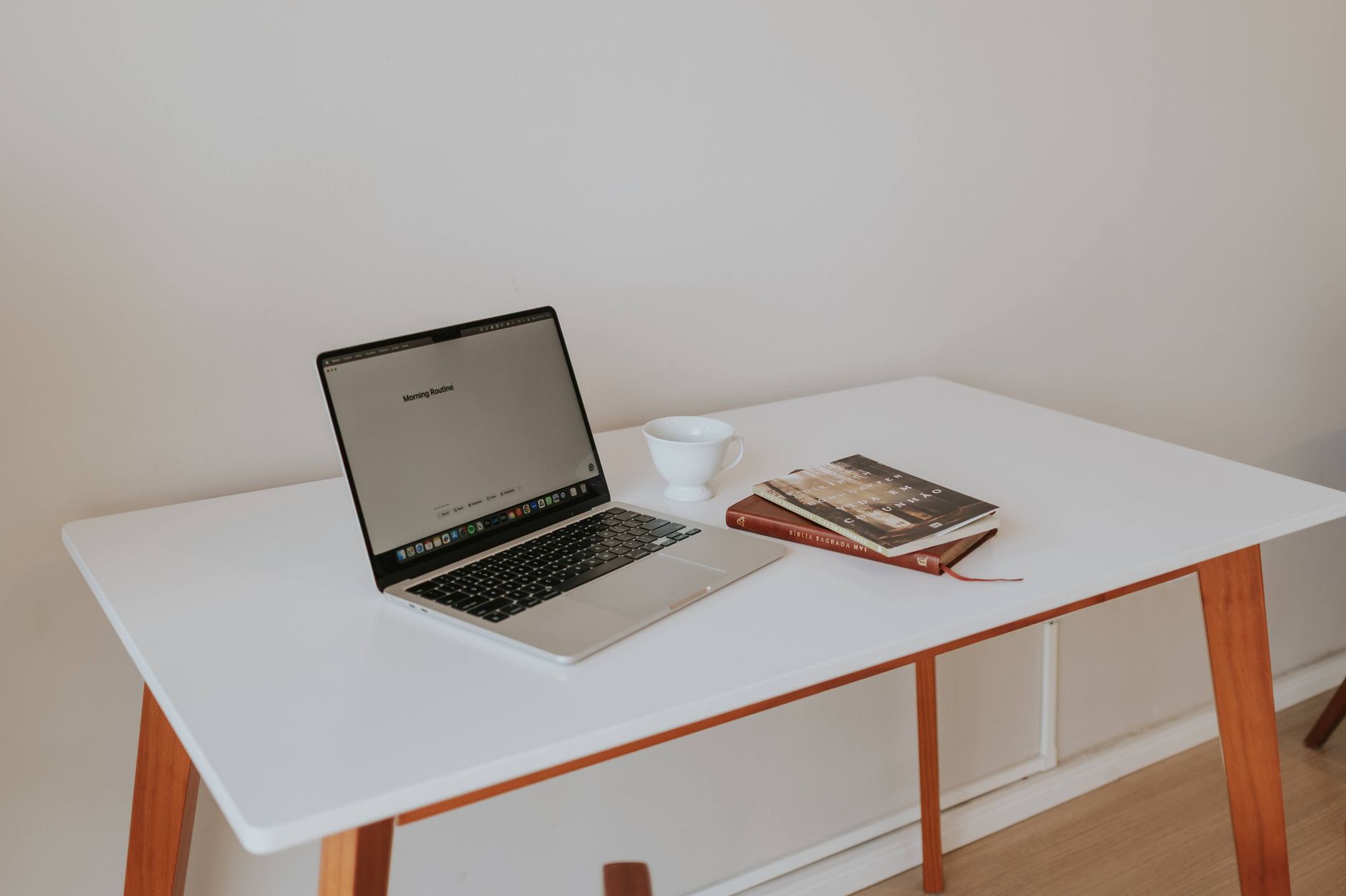
Major corporations are taking note. Google’s Singapore office recently piloted minimalist workspace designs, resulting in a 22% rise in employee productivity, according to internal memos reviewed by The Economic Times.Startups in Berlin and San Francisco are offering minimalist coaching as part of employee wellness programs. "We’ve seen reduced burnout and higher job satisfaction," said HR director Lena Müller of Berlin-based tech firm NovaTech.
Analysis: Why Minimalism Works
Psychologists say minimalist environments reduce cognitive overload. "Clutter competes for your attention," explains Dr. Priya Nair, a behavioral scientist at the University of London. "Minimalism helps the brain filter distractions and prioritize tasks."Economic factors also play a role. With urban rents at record highs, smaller living spaces are both a necessity and a catalyst for adopting minimalist habits, according to a June 2026 report from Urban Economics Review.
Challenges and Criticisms
Despite its benefits, critics argue that minimalism can be exclusionary. "Not everyone can afford to curate their lives or buy high-quality, multipurpose items," notes sociologist Dr. Maria Lopez in The Guardian.Others warn of "performative minimalism" on social media, where curated images may not reflect reality. However, the Global Wellness Institute study found genuine well-being improvements among those who embraced the core principles, not just the aesthetics.
What’s Next: The Future of Minimalist Living
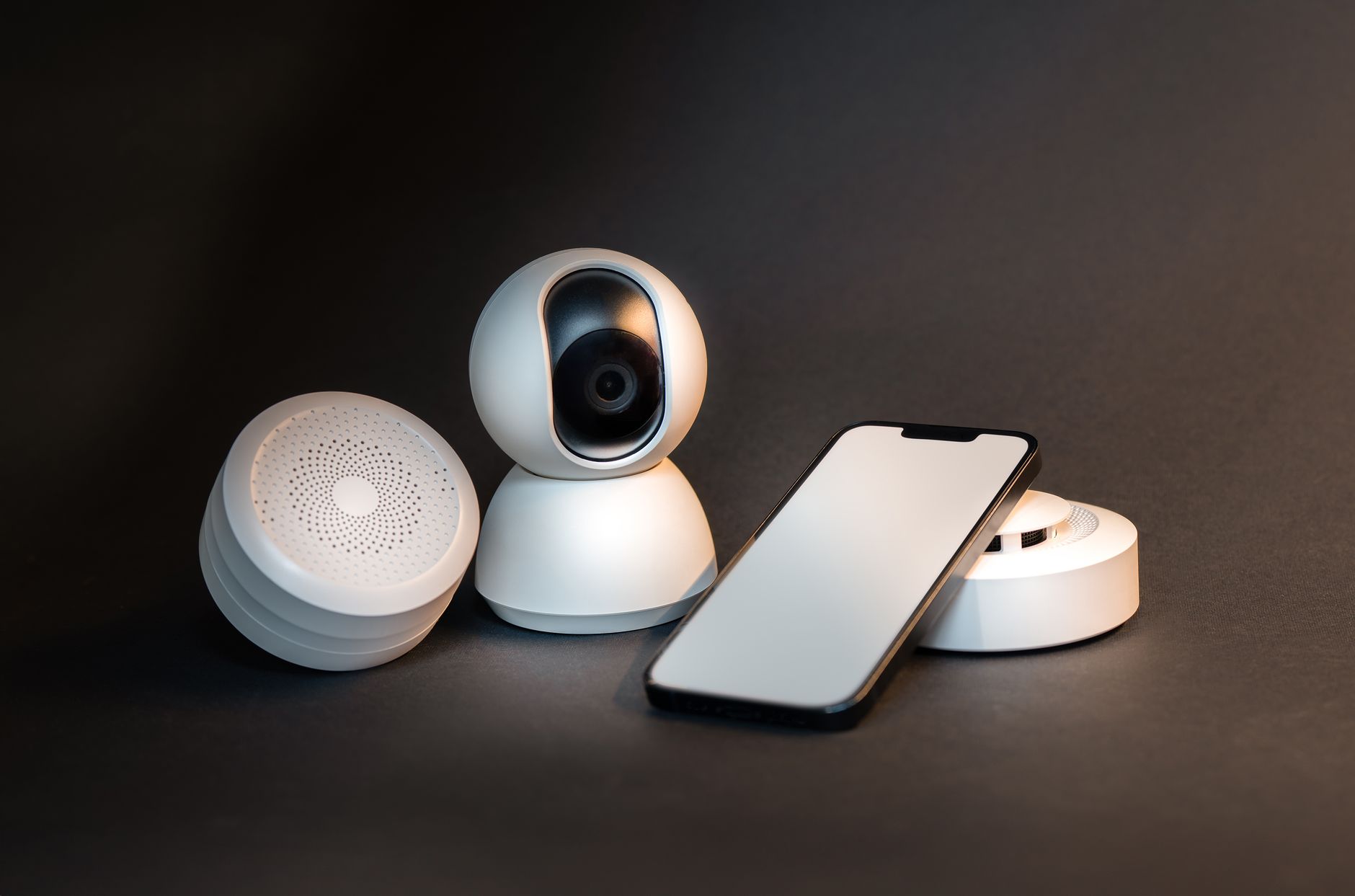
Industry analysts predict that minimalist living will continue to expand, with smart home technology and AI-driven organization tools making it easier to maintain clutter-free spaces, as reported by TechCrunch.Urban planners in cities like Amsterdam and Seoul are incorporating minimalist design into new housing projects, aiming to foster community and well-being. The trend is also influencing retail, with brands launching minimalist product lines and packaging.
As minimalist living becomes mainstream, experts urge individuals to focus on intentionality and personal values rather than trends. The Global Wellness Institute concludes that the movement’s true power lies in its ability to help people reclaim time, space, and peace of mind.
Sources
Information in this article was sourced from the Global Wellness Institute, Reuters, The Guardian, The Economic Times, Social Trends Analytics, Harvard Business Review, Lifehacker, Urban Economics Review, and TechCrunch.Sources: Information sourced from the Global Wellness Institute, Reuters, The Guardian, The Economic Times, and other leading industry publications.