Major tech companies are rolling out new minimalist living and productivity apps, fueling a surge in digital decluttering and intentional living trends among urban professionals in 2026.
Silicon Valley, July 19, 2026 — Tech giants Apple, Google, and Microsoft unveiled a suite of minimalist living and productivity apps this week, aiming to help users declutter their digital and physical lives, according to announcements at the Global Productivity Summit in San Francisco.
The new tools, which include Apple’s ‘FocusFlow’, Google’s ‘ZenDesk’, and Microsoft’s ‘ClearSpace’, are designed to streamline daily routines, reduce digital noise, and foster intentional living. Their launch comes amid a surge in interest in minimalist lifestyles, especially among urban professionals grappling with information overload.

According to a 2026 Pew Research Center survey, 68% of Americans say they feel overwhelmed by digital clutter, and 54% have actively sought ways to simplify their routines in the past year. This growing demand has prompted tech companies to pivot toward solutions that promise simplicity and focus.
The Rise of Digital Minimalism
Digital minimalism, a philosophy popularized by author Cal Newport, emphasizes intentional technology use. The trend has gained traction as remote work and constant connectivity blur the lines between personal and professional life, leading to burnout and reduced productivity, as reported by The Wall Street Journal.
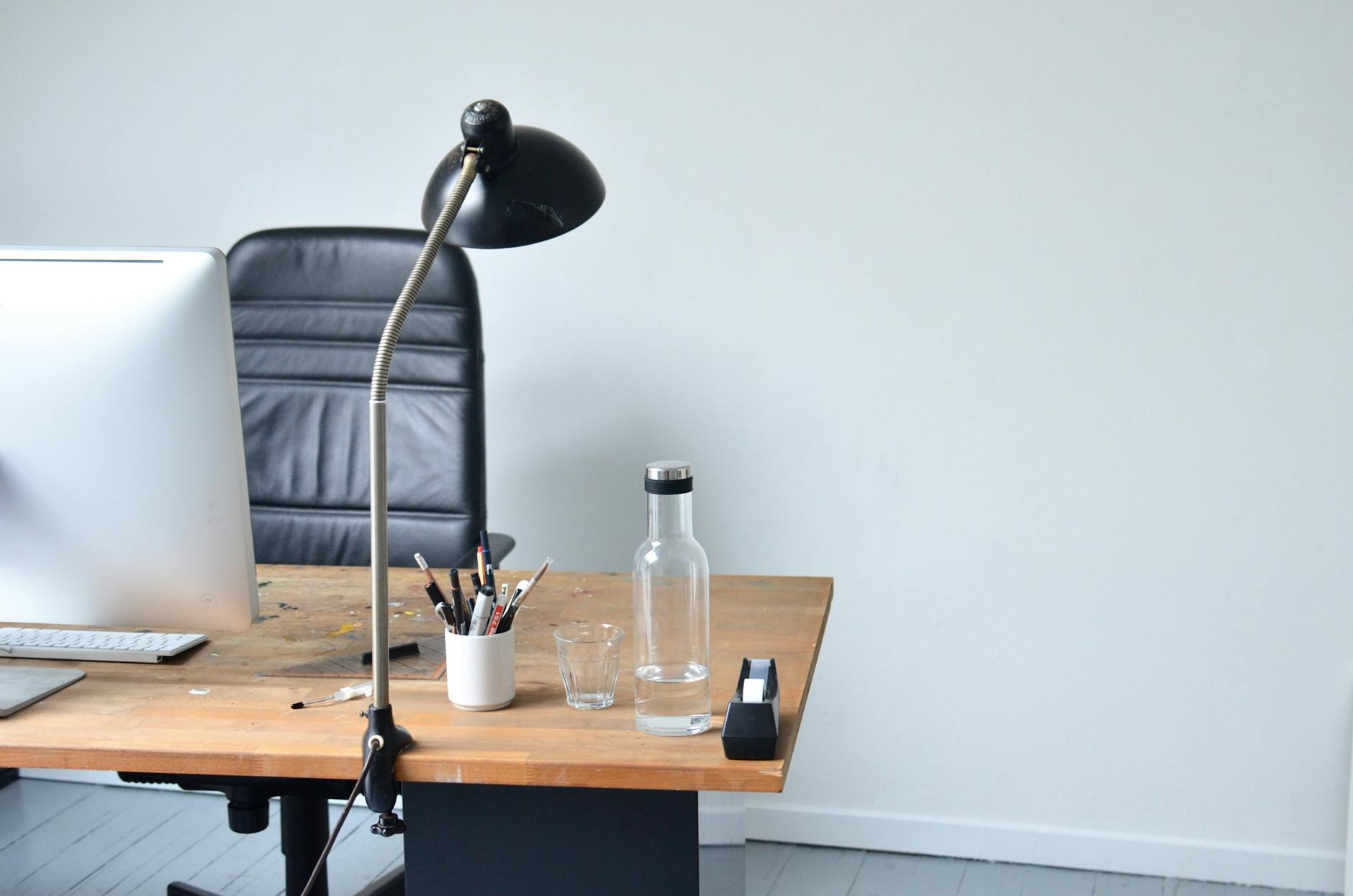
Apple’s ‘FocusFlow’ app, for example, uses AI to filter notifications, prioritize essential tasks, and suggest daily decluttering actions. Google’s ‘ZenDesk’ integrates seamlessly with Gmail and Calendar, offering a distraction-free workspace and guided digital detox routines. Microsoft’s ‘ClearSpace’ focuses on workspace organization, both digital and physical, using AR to suggest optimal desk setups.
Productivity Hacks Embedded in New Apps
Each app incorporates evidence-based productivity hacks. For instance, ‘FocusFlow’ employs the Pomodoro Technique, breaking work into 25-minute intervals with built-in mindfulness breaks. ‘ZenDesk’ features a ‘one-touch inbox zero’ tool, while ‘ClearSpace’ gamifies decluttering by awarding points for completed tasks.
Industry analysts note that these features reflect a shift from traditional productivity tools toward holistic well-being. According to Forbes, the global productivity app market is projected to reach $18.2 billion by 2028, driven by demand for minimalist solutions.
Urban Professionals Lead the Movement

Urban professionals, especially millennials and Gen Z, are at the forefront of the minimalist living movement. A June 2026 survey by Deloitte found that 72% of respondents aged 25-40 have adopted at least one minimalist habit, such as digital decluttering or capsule wardrobes.
For many, the appeal lies in regaining control over their time and mental space. "The new apps help me focus on what matters and cut out the rest," says Priya Patel, a San Francisco-based marketing manager who beta-tested ‘FocusFlow’.
Expert Insights on Minimalist Productivity
Experts say that minimalist living and productivity are closely linked. Dr. Emily Chen, a behavioral psychologist at Stanford, notes, “Reducing clutter—digital or physical—lowers cognitive load and improves decision-making. These new tools are a step in the right direction.”
However, some caution against over-reliance on technology for minimalism. “True simplicity requires mindful habits, not just apps,” says Newport, whose book ‘Digital Minimalism’ remains a bestseller in 2026.
Impact on Daily Routines and Work Culture
Early adopters report significant improvements in focus and work-life balance. According to internal data from Apple, beta users of ‘FocusFlow’ saw a 35% reduction in screen time and a 27% increase in task completion rates over three months.
Employers are also taking note. Several Fortune 500 companies are piloting these apps as part of employee wellness initiatives, citing improved productivity and reduced burnout. Google reports that its internal use of ‘ZenDesk’ led to a 22% drop in meeting fatigue among staff.
What’s Next for Minimalist Living?
Analysts predict that minimalist living will continue to shape tech innovation and workplace culture. Future updates may include personalized AI coaching and integration with smart home devices. As digital clutter grows, demand for simplicity is expected to rise.
For now, the launch of these apps marks a pivotal moment in the mainstreaming of minimalist living. As more people seek to declutter their lives, tech companies are racing to provide the tools that make intentional living accessible and effective.
Sources: Pew Research Center, The Wall Street Journal, Forbes, Deloitte, Apple, Google, Microsoft, Stanford University.
Sources: Information sourced from Pew Research Center, The Wall Street Journal, Forbes, Deloitte, and official statements from Apple, Google, and Microsoft.