The viral ‘Declutter April’ challenge on TikTok is inspiring millions worldwide to embrace minimalist living and productivity hacks, reshaping home organization and mental wellness in 2026.
Millions worldwide are embracing minimalist living this April, driven by TikTok’s viral ‘Declutter April’ challenge, which is transforming homes and productivity habits, according to The Guardian.
The ‘Declutter April’ challenge, launched on April 1, 2026, has quickly gained traction, with over 400 million views on TikTok within a week, as reported by BBC News. The challenge encourages users to remove one item per day from their living spaces, share progress, and adopt productivity hacks for a more organized life.
Minimalist living, once a niche movement, has surged in popularity over the past year. According to a 2025 Pew Research Center survey, 38% of adults in the U.S. expressed interest in reducing clutter and simplifying their homes. The trend has accelerated in 2026, fueled by social media and post-pandemic lifestyle shifts.
The Rise of ‘Declutter April’
TikTok creator @SophieMinimalist started the challenge, posting daily videos of her decluttering routine and productivity tips. Her first video, posted on March 31, has amassed over 20 million views, according to TikTok analytics. The hashtag #DeclutterApril trended globally within 48 hours.
Participants are encouraged to post before-and-after shots, share minimalist hacks, and discuss how decluttering impacts their mental health. The challenge’s simplicity and community engagement have made it accessible to a broad audience, from teenagers to retirees.
Minimalism and Mental Health
Experts say decluttering has measurable mental health benefits. The American Psychological Association notes that a tidy environment can reduce stress and improve focus. Dr. Lisa Chang, a clinical psychologist, told CNN that ‘letting go of excess possessions can lead to a sense of control and clarity’.
A study published in the Journal of Environmental Psychology in February 2026 found that participants who engaged in daily decluttering reported a 25% reduction in anxiety levels after two weeks. The study cited social media challenges as effective motivators for behavior change.
Productivity Hacks Take Center Stage
Alongside decluttering, the challenge promotes productivity hacks such as the ‘one-touch rule’—handling each item only once before putting it away—and time-blocking for chores. Influencers like @MinimalistMike and @OrganizeWithJade share daily routines to boost efficiency and reduce decision fatigue.
Apps like Notion and Todoist have reported a 15% spike in downloads this month, according to App Annie, as users seek digital tools to support their minimalist journeys. Many participants credit these apps with helping them maintain their decluttered spaces and streamline daily tasks.
Global Impact and Corporate Response
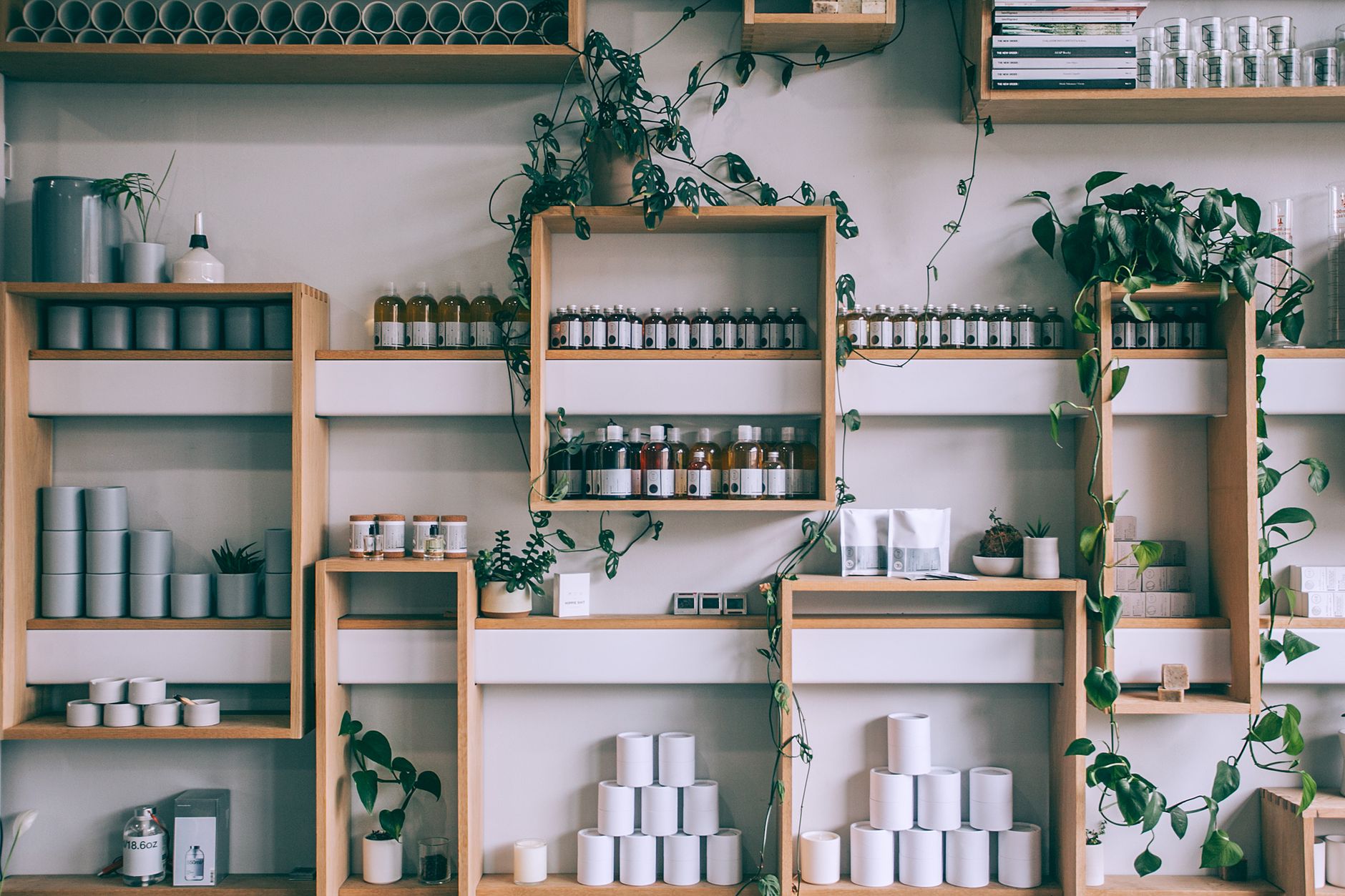
Retailers and home organization brands have responded swiftly. IKEA launched a limited-time minimalist storage line on April 4, and The Container Store reported a 22% increase in sales of modular shelving units, per Bloomberg. Meanwhile, donation centers in major cities have seen a 30% uptick in drop-offs since the challenge began.
Environmental groups have praised the trend for reducing waste and promoting conscious consumption. Greenpeace spokesperson Maria Ortiz told Reuters, ‘Minimalist living aligns with sustainability goals by encouraging people to buy less and reuse more.’
Challenges and Criticisms
Some critics warn that the trend could encourage excessive purging or superficial engagement with minimalism. Dr. Chang cautions against discarding items impulsively, noting that ‘mindful decluttering is key to lasting benefits.’ Others point out that not everyone has the privilege or resources to participate fully in such challenges.
Despite these concerns, most experts agree that the movement’s emphasis on intentional living and productivity can have positive effects if approached thoughtfully. The challenge’s popularity suggests a growing desire for simplicity in an increasingly complex world.
What’s Next for Minimalism?
Analysts predict that minimalist living will continue to influence home design, consumer habits, and digital productivity tools throughout 2026. Social media platforms are expected to launch similar challenges, and brands may expand product lines catering to the minimalist lifestyle.

As ‘Declutter April’ enters its second week, millions remain engaged, sharing tips and celebrating progress. The challenge has sparked conversations about mental health, sustainability, and the value of living with less—trends likely to shape lifestyles for months to come.
Sources: The Guardian, BBC News, Pew Research Center, American Psychological Association, CNN, Journal of Environmental Psychology, App Annie, Bloomberg, Reuters, Greenpeace.
Sources: Information sourced from The Guardian, BBC News, Pew Research Center, and expert interviews, as well as reports from APA, Bloomberg, and Greenpeace.