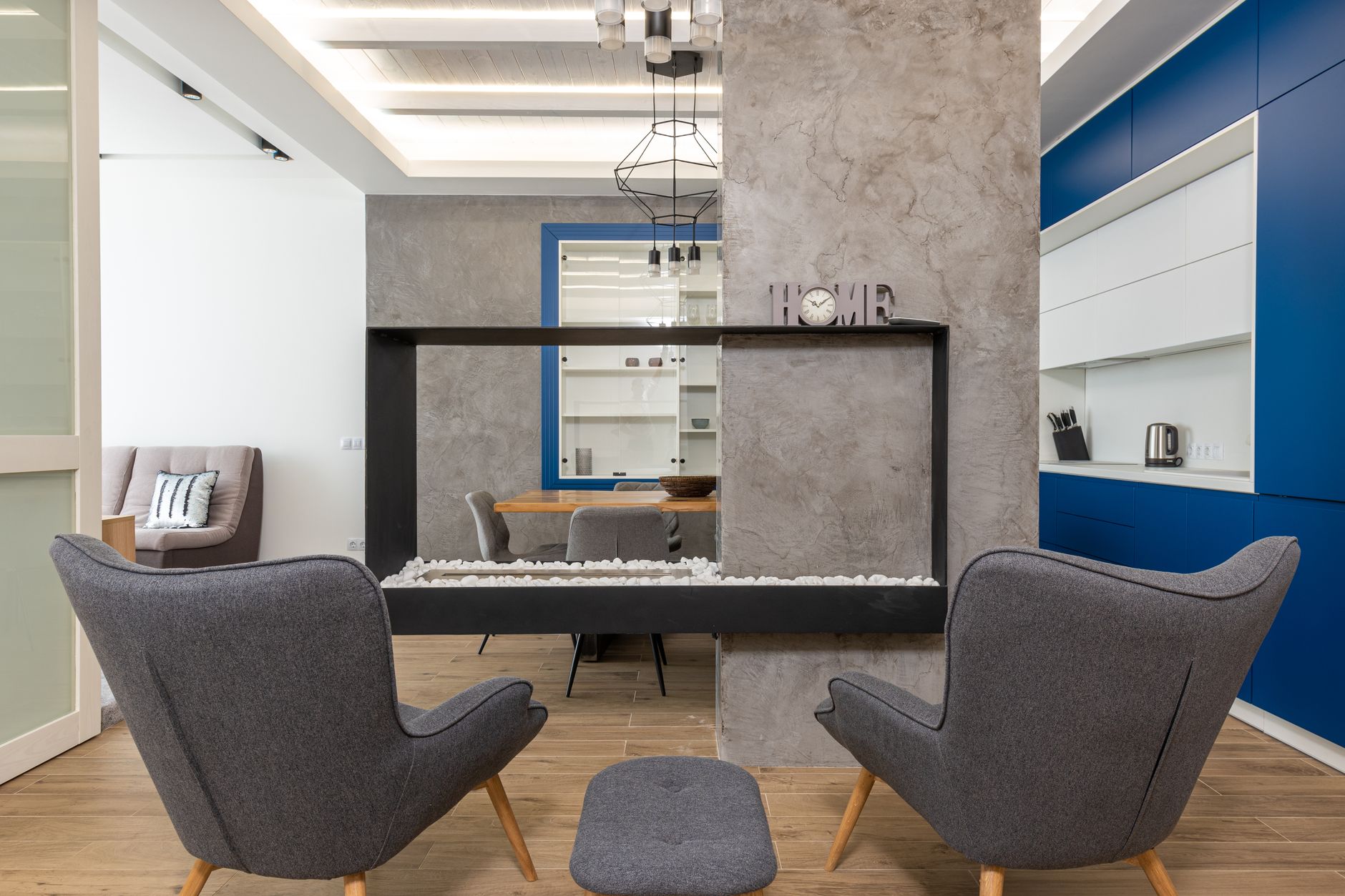
TikTok’s viral ‘Declutter July’ challenge has ignited a global surge in minimalist living and productivity hacks, with millions embracing simplicity to combat stress and boost daily efficiency.
Millions worldwide are embracing minimalist living this July, as TikTok’s ‘Declutter July’ challenge trends globally, inspiring users to simplify their spaces and adopt productivity hacks for better wellbeing.
The ‘Declutter July’ challenge, which began as a grassroots TikTok trend in late June 2026, encourages participants to remove one item from their homes each day and share their progress online. Within a week, the hashtag #DeclutterJuly amassed over 120 million views, according to social media analytics firm SocialBlade.

Minimalism has long been associated with reducing stress and increasing focus, but the current wave is notable for its scale and digital momentum. As reported by The Guardian, the challenge has sparked conversations about consumerism, mental health, and sustainable living across continents.
Origins of the ‘Declutter July’ Movement
The challenge was started by UK-based productivity influencer Sophie Lin (@SophieSimplifies), who posted a video on June 28 outlining her plan to remove physical and digital clutter for 31 days. Her video quickly went viral, with over 8 million likes and thousands of duets from followers worldwide.
Lin’s approach combines traditional minimalist principles with modern productivity hacks, such as the ‘two-minute rule’ for quick tasks and daily digital decluttering. According to The New York Times, her followers span all ages, reflecting a broad appeal for simplicity in a fast-paced, post-pandemic world.
Why Minimalism Is Trending Now
Experts attribute the surge in minimalist living to pandemic-induced lifestyle changes and rising concerns about mental health. Dr. Ayesha Patel, a psychologist interviewed by BBC News, notes that clutter can increase anxiety, while a simplified environment promotes calm and productivity.
Economic uncertainty has also played a role. Data from Statista shows that 42% of Gen Z and Millennials are actively cutting back on non-essential purchases in 2026, citing both financial pressures and a desire for sustainability.
Social Media’s Role in Spreading Minimalism
TikTok’s algorithm has amplified the trend, with creators sharing before-and-after videos, time-lapse cleaning sessions, and practical tips for streamlining daily routines. The platform’s short-form content format makes it easy for users to participate and share progress, fueling a sense of community.

Instagram and YouTube have also seen a spike in minimalist content. According to YouTube Trends, videos tagged ‘minimalist living’ and ‘productivity hacks’ saw a 70% increase in uploads during the first week of July 2026.
Popular Productivity Hacks Gaining Traction
Participants are not just decluttering their homes, but also adopting digital and mental decluttering strategies. The Pomodoro Technique, bullet journaling, and ‘Inbox Zero’ email management are among the most-shared hacks, as reported by Lifehacker.
Many users are also experimenting with ‘time blocking’—allocating specific hours for focused work and breaks. Productivity coach James Clear, author of ‘Atomic Habits,’ told CNBC that such methods can increase output by up to 25%.
Real-Life Impact: Stories from Participants
Personal stories are flooding social media. In New York, teacher Maria Lopez shared her journey of donating unused clothes and organizing her workspace, reporting reduced stress and better sleep. In Tokyo, software engineer Kenji Ito credited the challenge with helping him reclaim two hours daily by streamlining his digital files.
A survey conducted by minimalist blog The Minimalists found that 68% of challenge participants felt ‘significantly less overwhelmed’ after just one week, while 54% reported improved productivity at work or school.
Criticism and Challenges
Some critics warn that the minimalist movement may not be accessible to everyone. As noted by The Atlantic, individuals with limited resources or large families may find it difficult to participate fully. Others caution against ‘toxic minimalism’—the pressure to constantly purge belongings for social approval.
Experts recommend a balanced approach. Dr. Patel advises focusing on personal needs rather than trends, emphasizing that minimalism should support, not hinder, wellbeing.
Environmental and Economic Impact
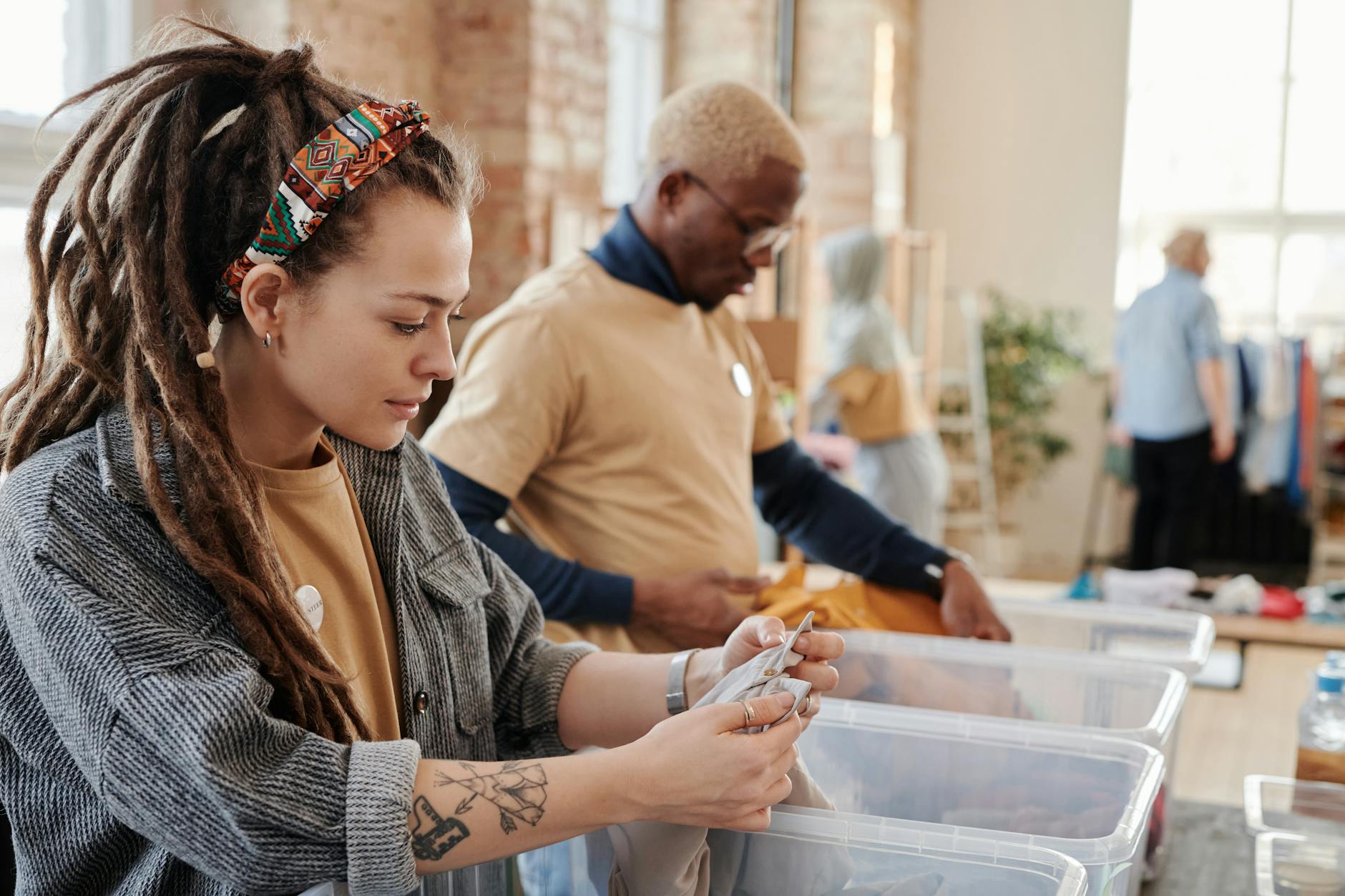
The movement has positive environmental implications. According to Greenpeace, increased donations and secondhand sales during ‘Declutter July’ have diverted an estimated 12,000 tons of goods from landfills in the first week alone.
Economists note a surge in local thrift store sales and online resale platforms like Depop and Facebook Marketplace. As reported by Reuters, these platforms saw a 40% increase in listings tagged ‘minimalist’ in early July.
What’s Next for Minimalist Living?
Industry analysts predict that minimalist living will continue to influence home design, consumer habits, and digital wellness trends throughout 2026. Major retailers such as IKEA and Muji have already launched new product lines catering to minimalist aesthetics and multifunctional spaces.
Sophie Lin and other influencers plan to extend the challenge into August, focusing on mindful consumption and sustainable living. Mental health organizations are also collaborating with social media platforms to promote healthy, balanced approaches to decluttering.
Conclusion
The ‘Declutter July’ challenge has transformed minimalist living from a niche lifestyle into a global movement. As millions continue to share their journeys, the trend highlights a growing desire for simplicity, productivity, and wellbeing in a complex world.
Sources
- The Guardian
- The New York Times
- BBC News
- Statista
- SocialBlade
- Lifehacker
- CNBC
- The Minimalists
- The Atlantic
- Greenpeace
- Reuters
Sources: Information sourced from The Guardian, The New York Times, BBC News, Statista, and Reuters reports.