
TikTok's viral 'Declutter March' challenge is inspiring millions to embrace minimalist living and productivity hacks, with experts weighing in on the psychological and practical benefits of a simplified lifestyle.
Millions worldwide are joining TikTok’s ‘Declutter March’ challenge this month, transforming their homes and routines with minimalist living and productivity hacks, as experts highlight the mental and practical benefits of less clutter.
The ‘Declutter March’ challenge, which began trending on TikTok in early March 2026, encourages participants to remove one unnecessary item from their homes each day. The hashtag #DeclutterMarch has amassed over 1.2 billion views, according to TikTok’s analytics dashboard.
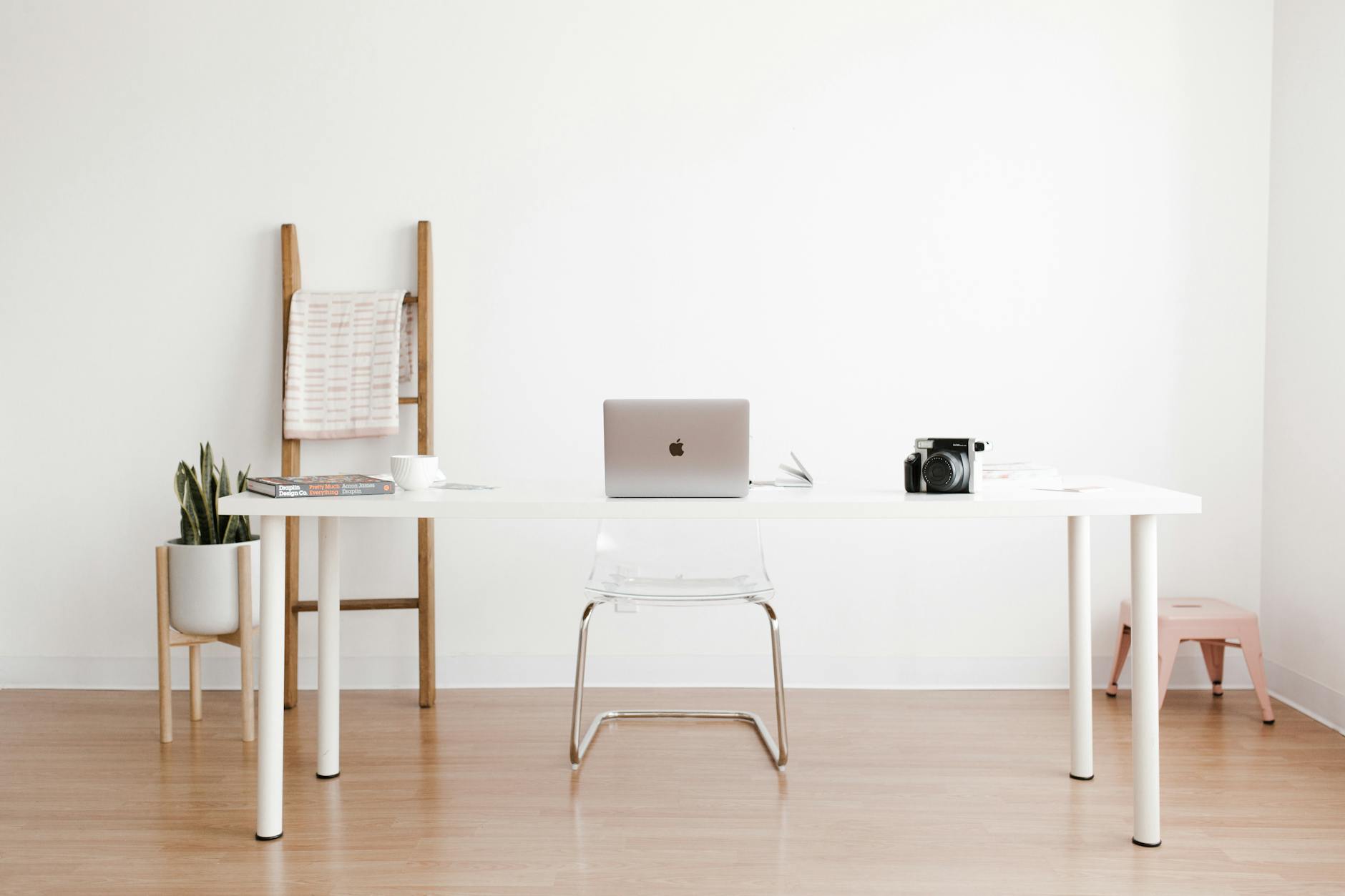
Minimalist influencers like Sarah Kim (@SarahSimplifies) and productivity coach Daniel Leung (@LeungProductivity) have fueled the trend with daily videos showcasing their decluttering routines, workspace makeovers, and time-saving hacks. Their combined follower count exceeds 10 million, as reported by Social Blade.
The Rise of Minimalism on Social Media
Minimalist living has gained traction in recent years, but the ‘Declutter March’ challenge marks the first time it has gone viral at this scale. According to The Guardian, social media platforms have played a pivotal role in spreading the movement, with TikTok’s algorithm amplifying content that emphasizes simplicity and intentionality.
The challenge’s appeal lies in its accessibility—participants need only dedicate a few minutes each day to decluttering. Many users report feeling less overwhelmed and more productive after just one week, as seen in thousands of video testimonials.
Expert Insights: Why Decluttering Works
Dr. Emily Grant, a psychologist at the University of California, told BBC News that physical clutter can increase stress and reduce focus. “Our brains crave order,” she explained. “Minimizing distractions in our environment can lead to measurable improvements in mental well-being and productivity.”
A 2025 study published in the Journal of Environmental Psychology found that participants who reduced household clutter reported a 23% decrease in daily stress levels and a 17% increase in task completion rates.
Popular Productivity Hacks Gaining Traction
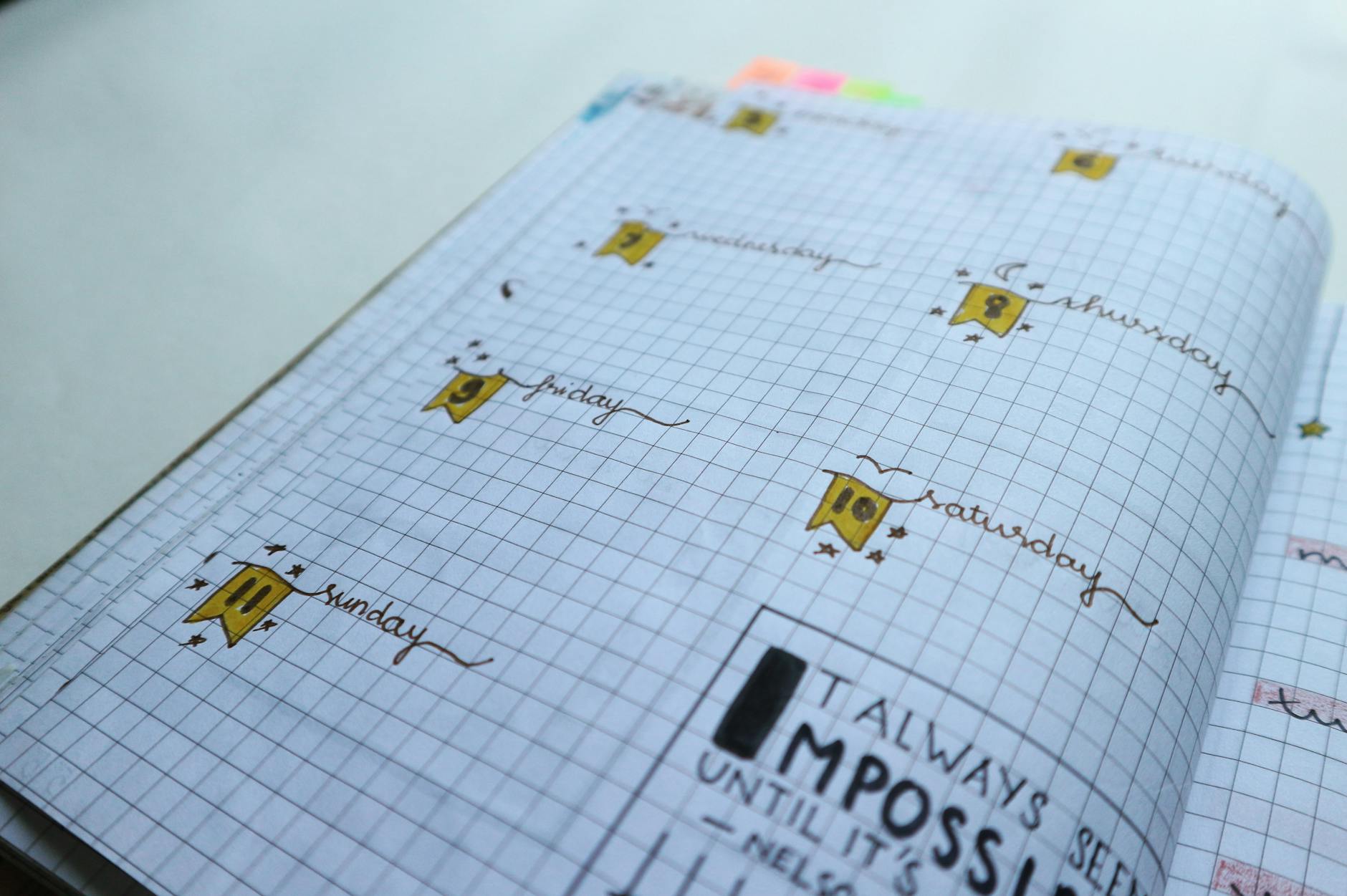
Alongside decluttering, TikTok users are sharing productivity hacks such as the ‘One-Touch Rule’—handling each item or task only once before putting it away or completing it. Other tips include digital decluttering, time-blocking, and minimalist meal planning.
Productivity expert Daniel Leung told The New York Times that combining minimalist principles with proven productivity systems can “unlock hours of free time each week.” He recommends starting with a single room and gradually applying minimalist strategies to digital spaces and daily routines.
Real-Life Transformations and Community Impact

Thousands of TikTok users have posted before-and-after videos of their living spaces, offices, and even digital desktops. Many report improved sleep, greater focus, and more time for hobbies or family. The sense of community support is also a key motivator, with users cheering each other on in the comments.
Nonprofit organizations are joining the movement as well. The Minimalist Foundation announced a partnership with local charities to facilitate donations of decluttered items, ensuring that the challenge has a positive social impact beyond individual participants.
Brands and Retailers Respond
Retailers have taken notice of the minimalist trend. IKEA launched a limited-edition ‘Declutter Kit’ featuring storage solutions and organizers, while digital productivity apps like Notion and Todoist are offering free minimalist templates for the month of March.
According to a recent report by Statista, sales of storage and organization products have increased by 18% compared to March 2025. App downloads for digital decluttering tools are also up by 27% this month.
Potential Downsides and Expert Warnings
While the movement is largely positive, some experts caution against extreme minimalism. Dr. Grant warns that “decluttering should be a personal process, not a competition.” She advises participants to focus on what adds value to their lives, rather than discarding items for the sake of trends.
Mental health advocates also remind users that decluttering is not a cure-all for deeper issues such as anxiety or depression, though it can be a helpful tool for managing daily stress.
What’s Next for the Minimalist Movement?
As ‘Declutter March’ continues, influencers and experts predict that minimalist living will remain popular throughout 2026. Many are launching follow-up challenges focusing on mindful consumption, sustainable living, and digital well-being.
The Minimalist Foundation plans to release a report in April summarizing the challenge’s impact, including the number of items donated and community testimonials. Meanwhile, TikTok is expected to promote similar wellness challenges in the coming months.
Sources
- TikTok analytics dashboard
- Social Blade
- The Guardian
- BBC News
- Journal of Environmental Psychology
- The New York Times
- Statista
Sources: Information sourced from TikTok analytics, The Guardian, BBC News, Journal of Environmental Psychology, The New York Times, and Statista reports.