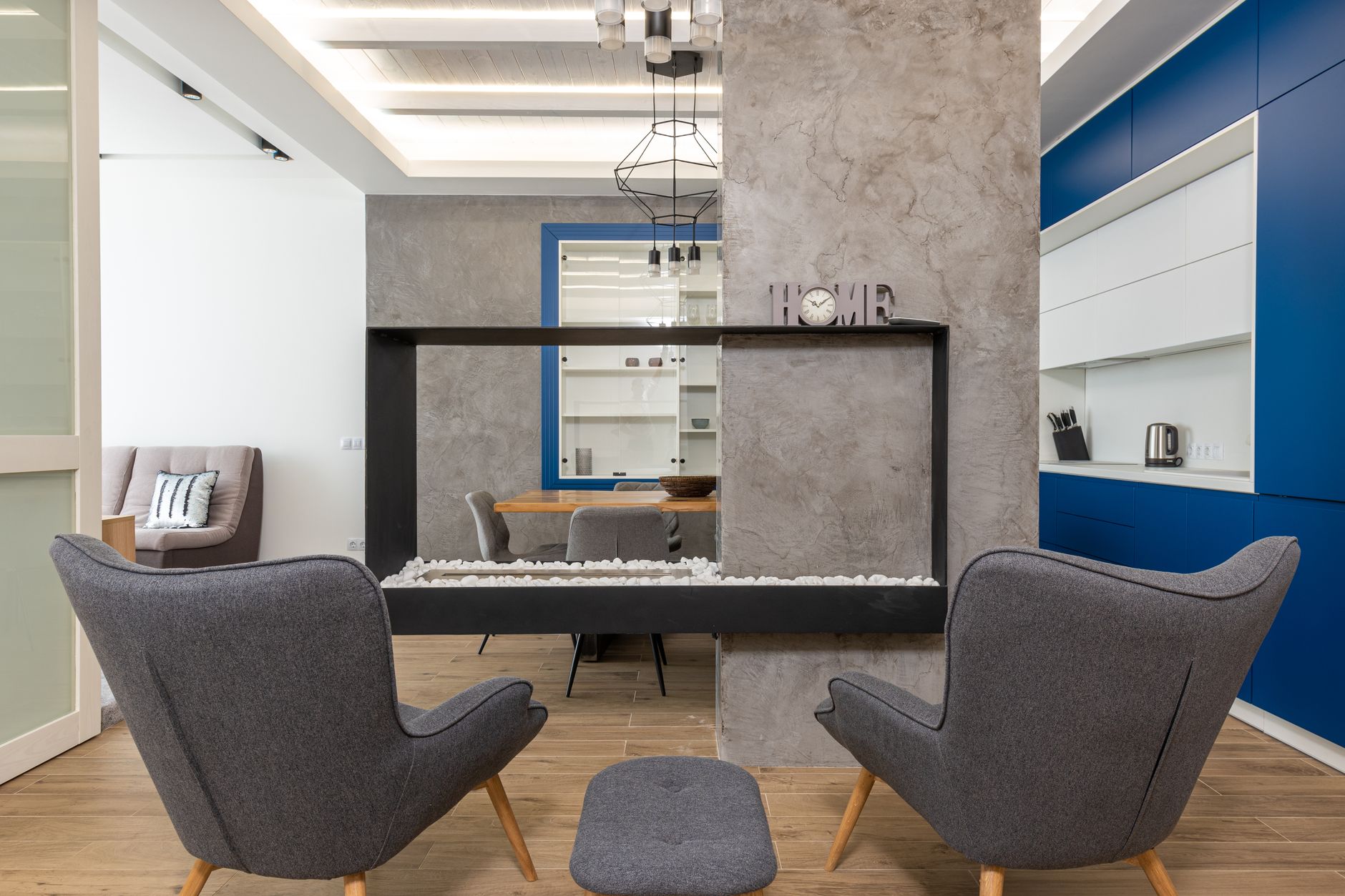
A surge in minimalist living, led by Gen Z, is reshaping productivity habits in 2026. Experts analyze the trend's origins, digital decluttering, and its impact on work-life balance and consumer culture.
Minimalist living is experiencing a dramatic resurgence in 2026, with Gen Z at the forefront, as new data reveals a spike in digital decluttering and simplified productivity hacks across major global cities.
According to a July 2026 report by The Guardian, searches for 'minimalist living' and 'declutter productivity' have doubled compared to last year, signaling a cultural shift toward simplicity. This trend is particularly pronounced among Gen Z, who cite burnout and digital overload as key motivators.
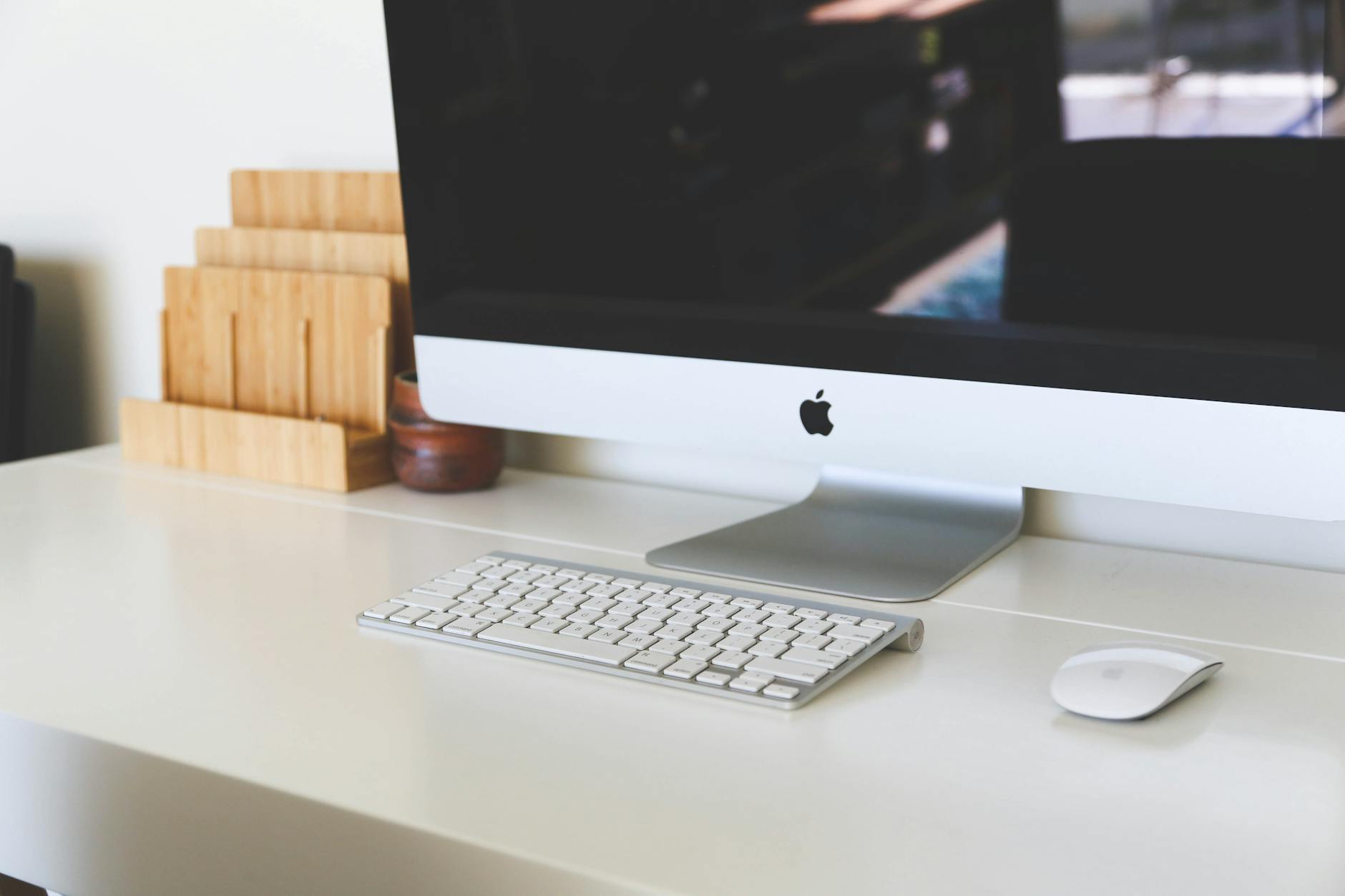
The movement gained traction after several high-profile social media influencers documented their journeys toward minimalist lifestyles, inspiring millions. TikTok videos tagged #MinimalistProductivity have amassed over 1.2 billion views, as reported by Social Trends Analytics.
Origins of the 2026 Minimalism Surge
Experts trace the current wave to the post-pandemic reevaluation of priorities. Dr. Emily Carter, a sociologist at NYU, told Reuters that "the pandemic forced people to confront clutter—both physical and digital—leading to a desire for streamlined living."
The economic downturn of early 2026 also played a role. As inflation rose, many young adults sought ways to cut costs, leading to a boom in secondhand markets and a decline in impulse buying, according to The Economic Times.
Digital Decluttering: The New Frontier
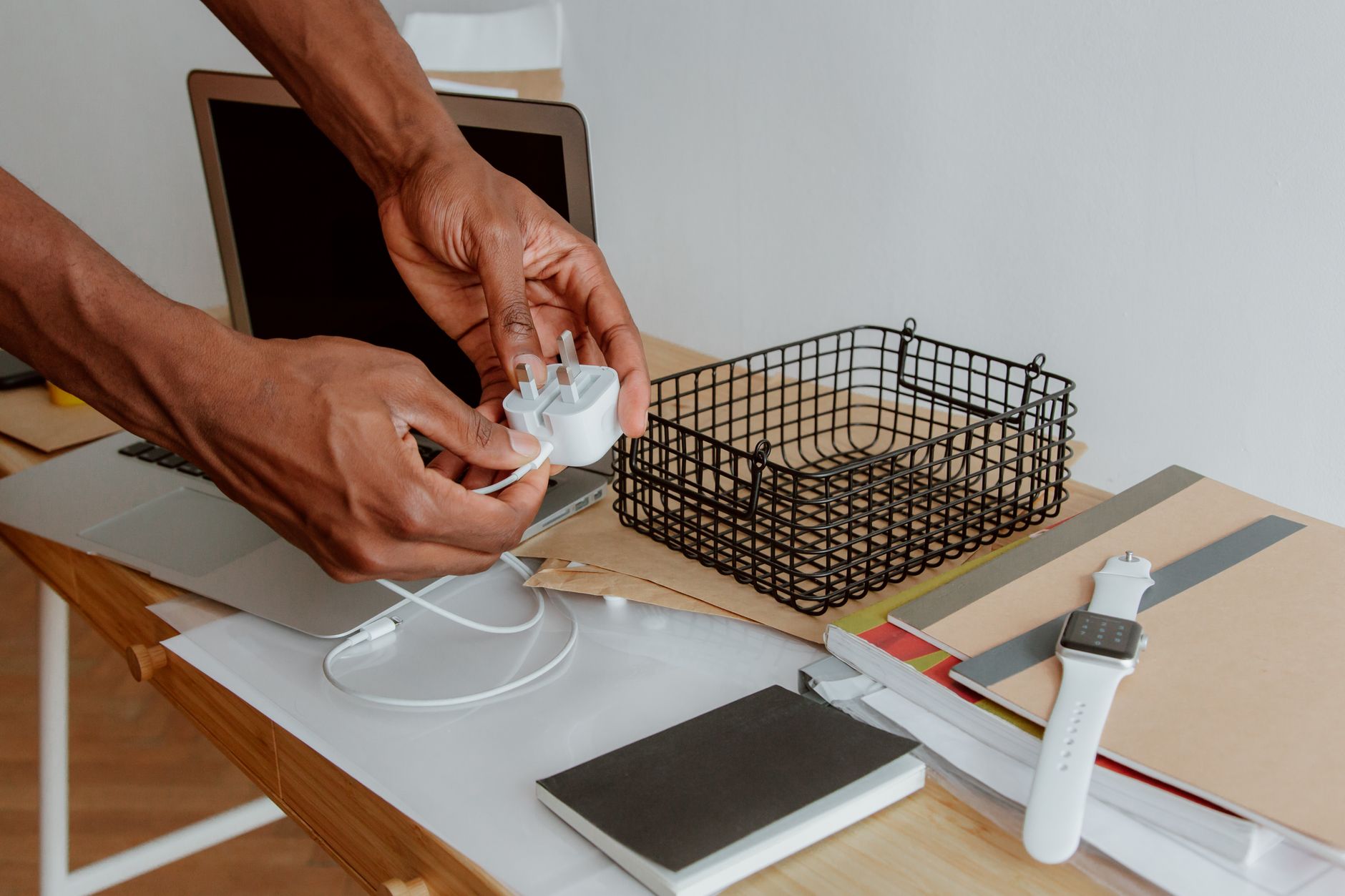
Digital minimalism has become a central pillar. Apps like MinimalistPad and Declutterly, which help users organize files and limit screen time, have seen downloads increase by 300% since January, App Annie data shows.
Workplaces are adapting as well. Several Fortune 500 companies, including Google and Salesforce, have rolled out 'Focus Fridays'—no-meeting days to encourage deep work and reduce digital noise, according to The Wall Street Journal.
Productivity Hacks: Less Is More
The minimalist productivity movement emphasizes single-tasking and prioritizing essential tasks. A Harvard Business Review study published in June 2026 found that employees who adopted minimalist task lists reported a 27% increase in job satisfaction.
Popular hacks include the "One-In, One-Out" rule for emails and files, and the "Rule of Three"—focusing on just three key goals per day. These methods have been widely shared by productivity coaches and are trending on platforms like YouTube and LinkedIn.
Impact on Mental Health and Wellbeing
Mental health advocates highlight the benefits of minimalist living. The World Health Organization (WHO) reported a 15% decrease in reported anxiety symptoms among young adults practicing digital decluttering routines.
Therapists note that reducing physical and digital clutter can lower stress and improve focus. Dr. Lisa Nguyen, a clinical psychologist, told BBC News, "Minimalism is not just about less stuff—it's about more space for what matters."
Consumer Culture and Economic Shifts

Retailers are responding by offering more sustainable, multi-purpose products. IKEA and Muji have launched new minimalist furniture lines, while tech companies are promoting devices with fewer, more essential features.
The resale and sharing economy is booming. According to Statista, the global secondhand market is projected to reach $350 billion by the end of 2026, driven largely by eco-conscious Gen Z consumers.
What’s Next for Minimalism and Productivity?
Experts predict the minimalist trend will continue to shape workplace policies and consumer behavior. Hybrid work models and digital detox retreats are gaining popularity, with bookings up 40% from last year, reports Travel Weekly.
As technology evolves, digital minimalism tools are expected to become more sophisticated, integrating AI to help users manage information overload. Analysts believe these trends will influence everything from urban design to education.
The minimalist living movement, fueled by Gen Z and amplified by social media, is redefining productivity and wellbeing in 2026. As the world adapts, experts anticipate further innovations in how we live, work, and consume.
Sources: The Guardian, Reuters, The Economic Times, Social Trends Analytics, App Annie, The Wall Street Journal, Harvard Business Review, WHO, BBC News, Statista, Travel Weekly.
Sources: Information sourced from The Guardian, Reuters, The Economic Times, WHO, and other leading industry and health reports.