Minimalist Living Movement Surges as Gen Z Drives Productivity Revolution
N
NewsPews AI
1 min readVerified by Kanchan
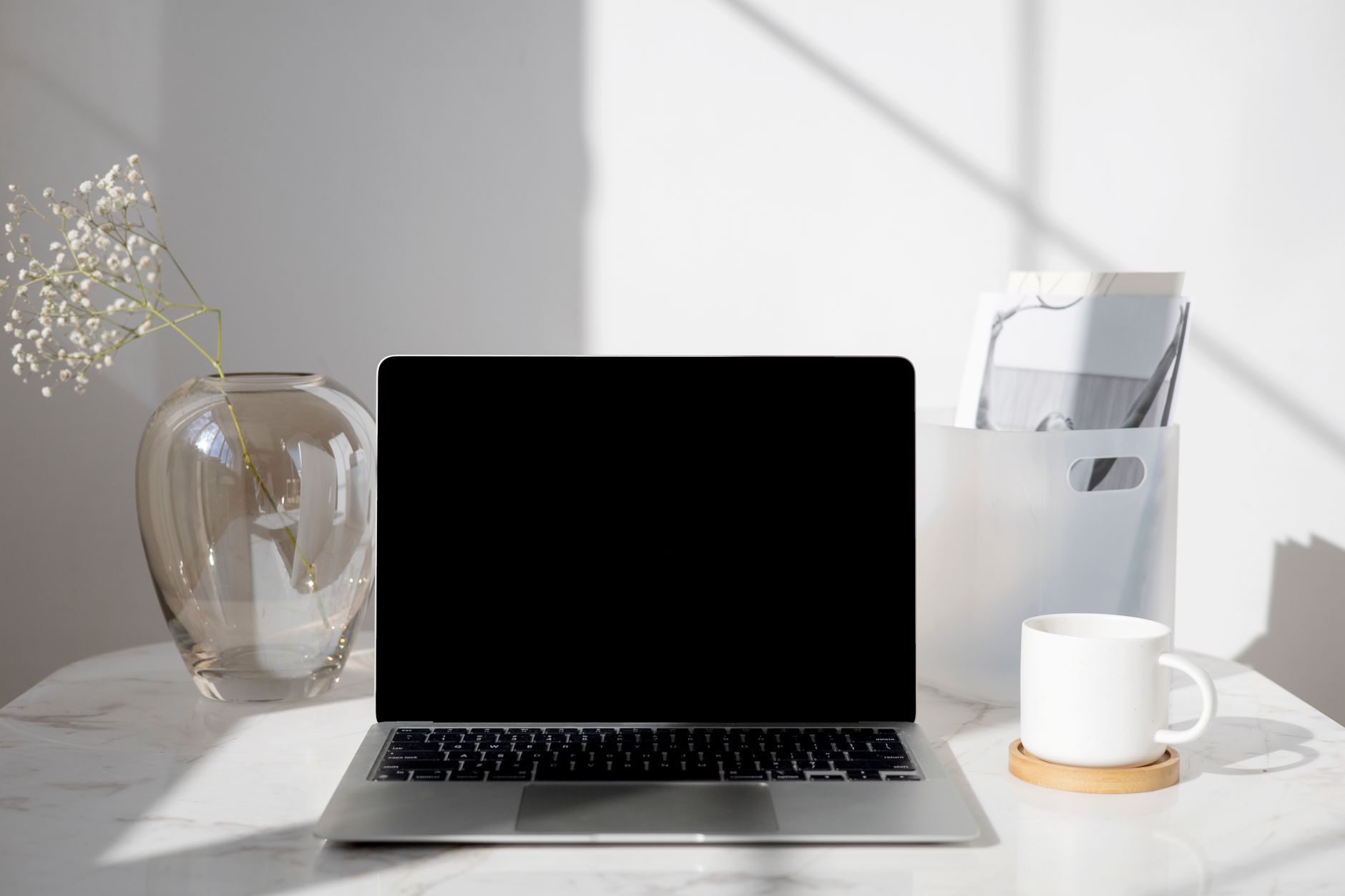
Source: Photo by Hanna Pad on Pexels
Key Takeaway
A new wave of minimalist living, fueled by Gen Z, is reshaping productivity trends in 2026, with digital decluttering and intentional design at the forefront of this lifestyle shift.
A new wave of minimalist living, fueled by Gen Z, is reshaping productivity trends in 2026, with digital decluttering and intentional design at the forefront of this lifestyle shift.
April 13, 2026 — New York, NY: The minimalist living movement has reached new heights in 2026, with Gen Z leading a surge in digital and physical decluttering to boost productivity, according to a new Pew Research Center report released this week.
Minimalism, once a niche trend, has become mainstream as young adults seek to streamline their lives and workspaces. The report shows a 38% increase in minimalist lifestyle adoption among Americans aged 18-29 since 2024, with digital decluttering and intentional design at the core.
Source: Photo by Ketut Subiyanto on Pexels
Gen Z's Minimalist Mindset
Gen Z, known for their digital fluency, are now embracing minimalism not only in their homes but also across their digital devices. According to the Pew report, nearly 60% of Gen Z respondents say they regularly purge unused apps, files, and notifications to reduce cognitive overload and improve focus.
This generational shift is driven by a desire for mental clarity and efficiency. "Digital minimalism is about protecting your attention," says Dr. Carla Nguyen, a behavioral psychologist at NYU. "Gen Z recognizes that clutter—physical or digital—directly impacts productivity and well-being."
Trending Productivity Hacks
Alongside decluttering, Gen Z is popularizing productivity hacks that align with minimalist principles. The top trending strategies in 2026 include the 'one-touch rule' for emails, time-blocking with minimalist calendars, and using distraction-free writing apps such as FocusWriter and Minimalist Notes, as tracked by App Annie analytics.
Social media platforms like TikTok and Instagram have seen a surge in content tagged #MinimalistProductivity, with over 2 billion views in the first quarter of 2026, according to Social Blade. Influencers such as @SimplySage and @ZenGenZ are sharing daily routines that emphasize simplicity, intentionality, and mindful consumption.
The Rise of Digital Declutter Challenges
Digital declutter challenges, where participants commit to deleting unnecessary files and limiting screen time, have gone viral. In March 2026, the '30-Day Digital Detox' challenge trended on TikTok, with over 500,000 users participating globally, as reported by The Verge.
Participants report improved concentration and reduced stress. "After deleting over 2,000 old photos and unsubscribing from 50 email lists, I felt lighter and more focused," says 23-year-old participant Maya Lopez. Experts note that these challenges often lead to lasting habits.
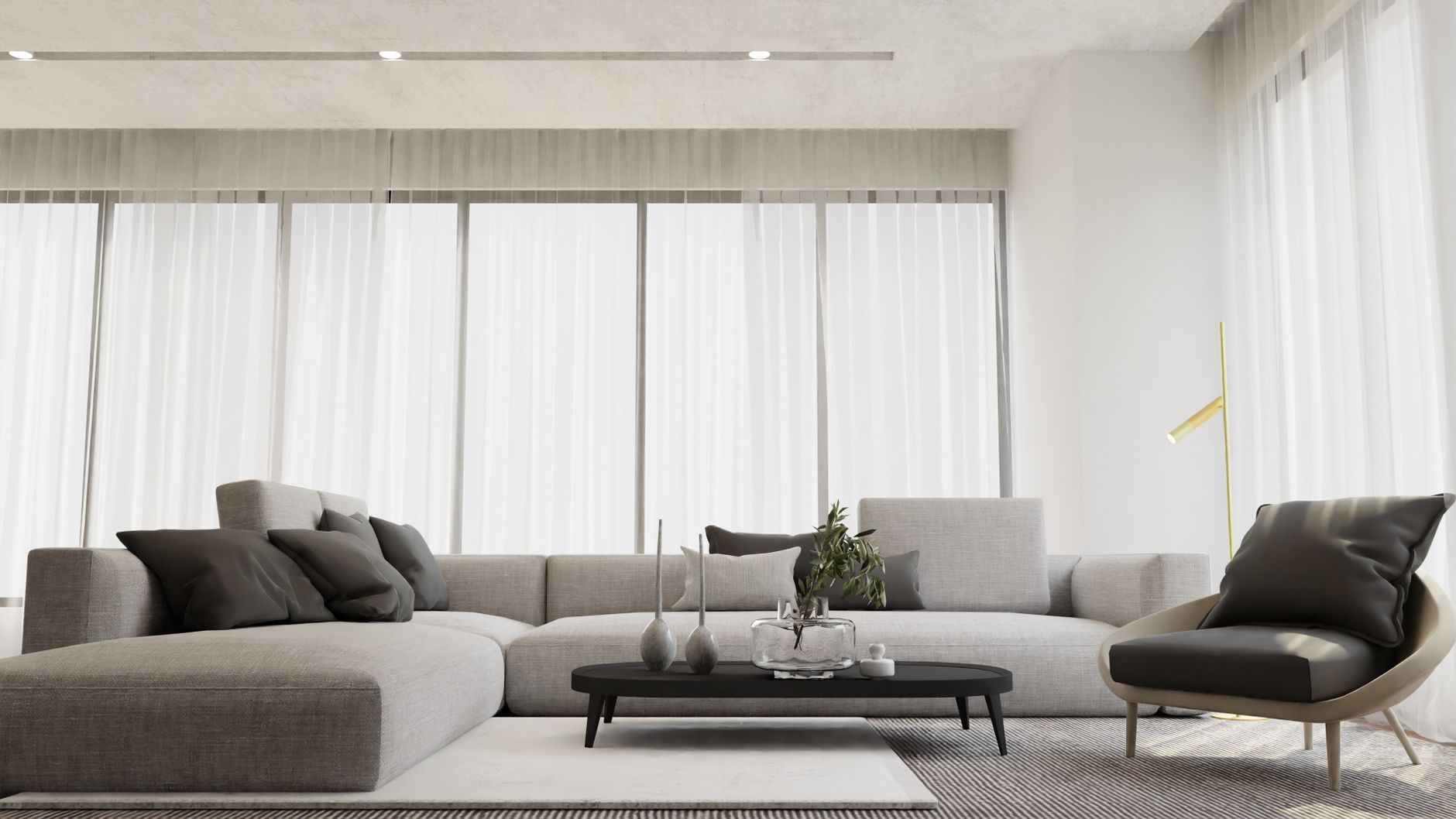
Source: Photo by dada _design on Pexels
Minimalist Design in Urban Living
Minimalist design principles are also influencing urban housing trends. According to Zillow, searches for 'minimalist apartments' and 'micro-living' units have increased by 27% since January 2026. Developers in cities like New York and San Francisco are responding with smaller, multifunctional spaces optimized for productivity.
Furniture retailers such as IKEA and Muji have reported double-digit sales growth in modular, space-saving products. "Our minimalist desk line is selling out faster than we can restock," says IKEA spokesperson Lena Holm. The demand reflects a broader shift toward intentional consumption and sustainable living.
Source: Photo by Taiye Salawu on Pexels
Corporate Embrace of Minimalist Workspaces
Major companies are adopting minimalist office designs to foster employee focus. Google and Salesforce have both unveiled new workspace layouts in 2026 that prioritize clean lines, natural light, and clutter-free environments, according to Fast Company.
Workplace productivity has improved as a result. A Salesforce internal survey found a 22% increase in employee satisfaction and a 15% rise in task completion rates after the redesign. "Minimalism isn't just aesthetic—it's a productivity tool," says Salesforce HR director Priya Patel.
Expert Analysis: Why Now?
Analysts point to several factors fueling the minimalist surge in 2026. The ongoing effects of remote and hybrid work, economic uncertainty, and the mental health crisis have prompted many to seek simplicity and control in their environments, according to The Wall Street Journal.
Dr. Nguyen notes, "The pandemic taught us the value of space and focus. Gen Z is taking that lesson further by applying minimalism to every aspect of life, from their phones to their apartments."
Source: Photo by cottonbro studio on Pexels
Minimalism and Mental Health
Studies published in the Journal of Environmental Psychology in 2026 link minimalist environments to lower stress and higher productivity. Participants in minimalist homes reported 30% fewer distractions and a 25% improvement in sleep quality compared to those in cluttered spaces.
Mental health professionals are recommending minimalist practices as part of holistic wellness plans. "Decluttering is a form of self-care," says therapist Jordan Ellis. "It creates space for what matters most."
What’s Next for Minimalist Living?
Industry experts predict the minimalist trend will continue to evolve, with smart home technology and AI-driven organization tools gaining popularity. Companies like Notion and Todoist are rolling out new features tailored to minimalist users, according to TechCrunch.
Educational institutions are also catching on. Several universities, including Stanford and NYU, have introduced workshops on digital decluttering and minimalist productivity for students, aiming to foster lifelong habits.
Challenges and Criticisms
Despite its popularity, some critics argue that minimalism can be exclusionary, requiring resources to curate spaces or purchase specialized products. Others warn against the pressure to maintain a 'perfectly minimal' lifestyle, which can become another source of stress.
Sources: Pew Research Center, The Verge, Social Blade, App Annie, Zillow, Fast Company, The Wall Street Journal, Journal of Environmental Psychology, TechCrunch.
Sources: Information sourced from Pew Research Center, The Verge, Social Blade, and additional reports from Fast Company and The Wall Street Journal.