
A new wave of minimalist living, focused on digital declutter and productivity hacks, is sweeping remote workers in 2026, reshaping home life and work habits, experts and surveys reveal.
Remote workers across the globe are embracing a new wave of minimalist living, driven by the trending 'digital declutter' movement that surged in early 2026, according to recent surveys by The Guardian and Forbes. As home offices become permanent fixtures and digital fatigue reaches new heights, professionals are turning to pared-down environments and streamlined tech habits to boost productivity and well-being.
The 'digital declutter' trend, which gained momentum on social media platforms like TikTok and Instagram in January 2026, encourages individuals to minimize digital distractions, reduce unnecessary apps, and organize virtual workspaces. This lifestyle shift is a response to the growing burnout reported by remote workers worldwide, as highlighted in a February study by Pew Research Center.
Background: Minimalism Meets Remote Work
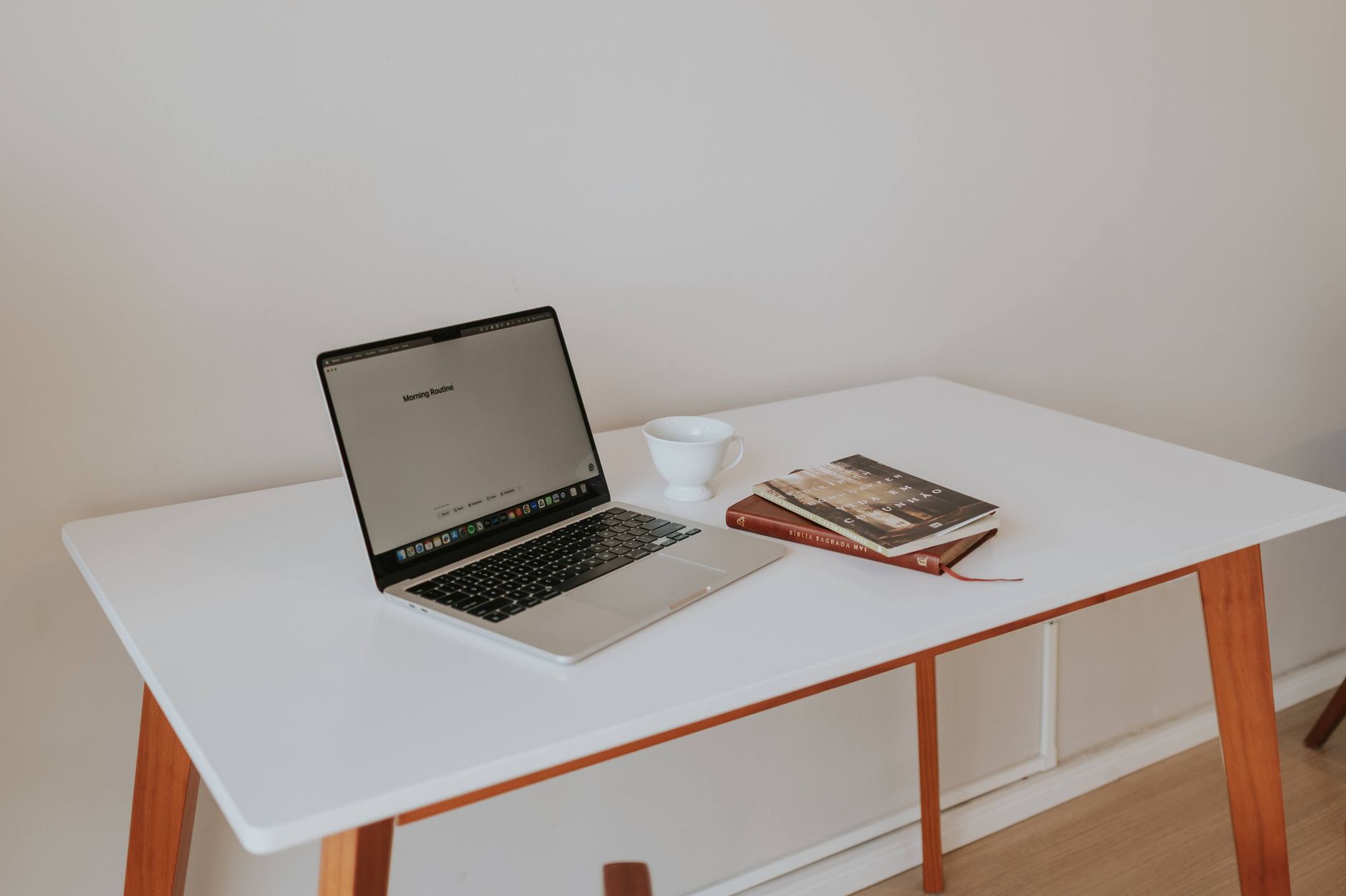
Minimalist living has long been associated with physical decluttering—paring down possessions and focusing on essentials. However, the pandemic-induced shift to remote work has extended minimalism into the digital realm. According to a 2026 Microsoft Work Trend Index, 68% of remote professionals now cite digital overload as a primary stressor.Experts say the blending of home and office spaces has blurred boundaries, making it harder to disconnect from work. As a result, the minimalist movement has evolved to include 'digital declutter' strategies, such as limiting notifications, unsubscribing from non-essential emails, and setting strict screen time boundaries.
The Rise of Digital Declutter Challenges
In early 2026, viral challenges like #30DayDigitalDeclutter and #MinimalistMarch swept platforms like TikTok, with millions sharing before-and-after screenshots of their streamlined desktops and app-free phones. According to Social Blade analytics, the hashtag #DigitalDeclutter amassed over 500 million views in March alone.Lifestyle influencers and productivity experts have played a pivotal role in popularizing these trends. Marie Kondo, known for her physical decluttering philosophy, launched a digital version of her method in January, partnering with major tech firms to offer virtual workshops. Her approach, focused on 'sparking joy' in digital spaces, has been widely adopted by remote teams.
Key Productivity Hacks Gaining Traction
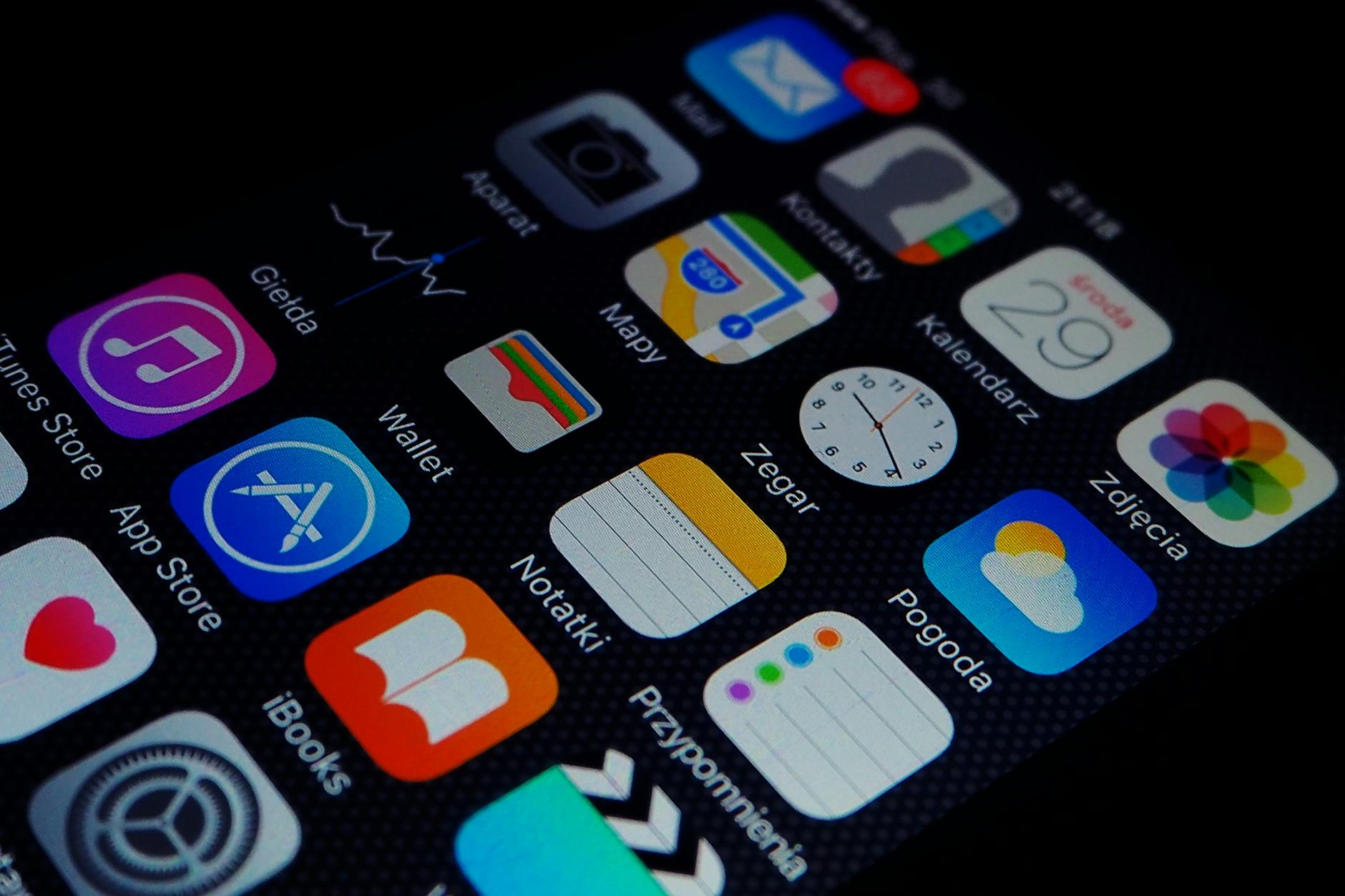
Among the most popular hacks are the 'one-screen rule'—keeping only a single browser tab or app open at a time—and the 'email zero' strategy, which involves clearing the inbox daily. Apps like Notion and Todoist have reported a 40% increase in downloads since January, as users seek tools that support minimalist workflows, according to App Annie data.Remote workers are also adopting analog techniques, such as bullet journaling and handwritten to-do lists, to reduce screen time. A survey by The Economic Times in February found that 54% of respondents felt more productive after implementing minimalist routines, citing fewer distractions and improved focus.
Corporate Adoption and Policy Shifts
Major companies are taking note of the trend. Google and Salesforce announced new 'digital wellness' initiatives in March, providing employees with resources to declutter their virtual workspaces and encouraging regular digital detoxes. These programs include mandatory 'no meeting' hours and incentives for maintaining a clean digital environment.HR experts say these policies are a response to rising turnover and burnout rates. According to a March 2026 report by Gartner, companies that implemented digital declutter programs saw a 15% increase in employee satisfaction and a 10% reduction in sick days over the past quarter.
Analysis: The Science Behind Digital Minimalism
Neuroscientists have found that constant digital stimulation leads to cognitive overload, reducing productivity and increasing stress. Dr. Emily Chen, a cognitive psychologist at Stanford University, told Reuters that 'digital decluttering' can help reset attention spans and improve mental health. Her recent study showed a 25% improvement in task completion rates among participants who minimized digital clutter.The minimalist approach also aligns with the growing emphasis on work-life balance. By setting boundaries and reducing digital noise, remote workers are better able to disconnect after hours, leading to improved sleep and reduced anxiety, according to data from the World Health Organization.

Real-Life Success Stories
Many remote professionals have shared their experiences online. Priya Desai, a software engineer in Bangalore, told The Guardian that adopting the 'one-screen rule' helped her cut her workday by two hours. Similarly, New York-based marketing manager Alex Rivera reported to Forbes that unsubscribing from 90% of newsletters made his mornings 'noticeably calmer and more productive.'These stories have inspired others to try minimalist hacks, fueling a cycle of viral content and community support. Online forums and Reddit threads dedicated to digital minimalism have seen membership double since January, according to Reddit Insights.
Challenges and Criticisms
Despite its popularity, the digital declutter movement faces criticism. Some argue that it privileges those with flexible work arrangements and access to productivity tools. Others caution against over-optimizing, which can lead to new forms of stress. Experts recommend a balanced approach, tailoring minimalist practices to individual needs.There are also concerns about the sustainability of the trend. As remote work continues to evolve, some fear that digital minimalism could become another fleeting fad. However, advocates argue that the underlying principles—intentionality, focus, and well-being—will remain relevant as technology advances.
What's Next: The Future of Minimalist Living
Looking ahead, analysts predict that digital declutter will influence not just individual habits but also software design and workplace culture. Tech companies are already developing 'minimalist mode' features, allowing users to toggle between distraction-free and full-functionality settings.Educational institutions are also integrating digital minimalism into curricula, teaching students how to manage information overload from an early age. Experts believe this could have long-term benefits for mental health and productivity, especially as digital natives enter the workforce.
As the minimalist movement continues to adapt to the realities of remote work and digital life, its core message remains clear: less can be more, both in our physical and virtual environments.
Sources: Information for this article was sourced from The Guardian, Forbes, Pew Research Center, Microsoft Work Trend Index, Social Blade, App Annie, The Economic Times, Gartner, Reuters, WHO, and Reddit Insights.
Sources: Information sourced from The Guardian, Forbes, Pew Research Center, Microsoft Work Trend Index, and WHO reports.