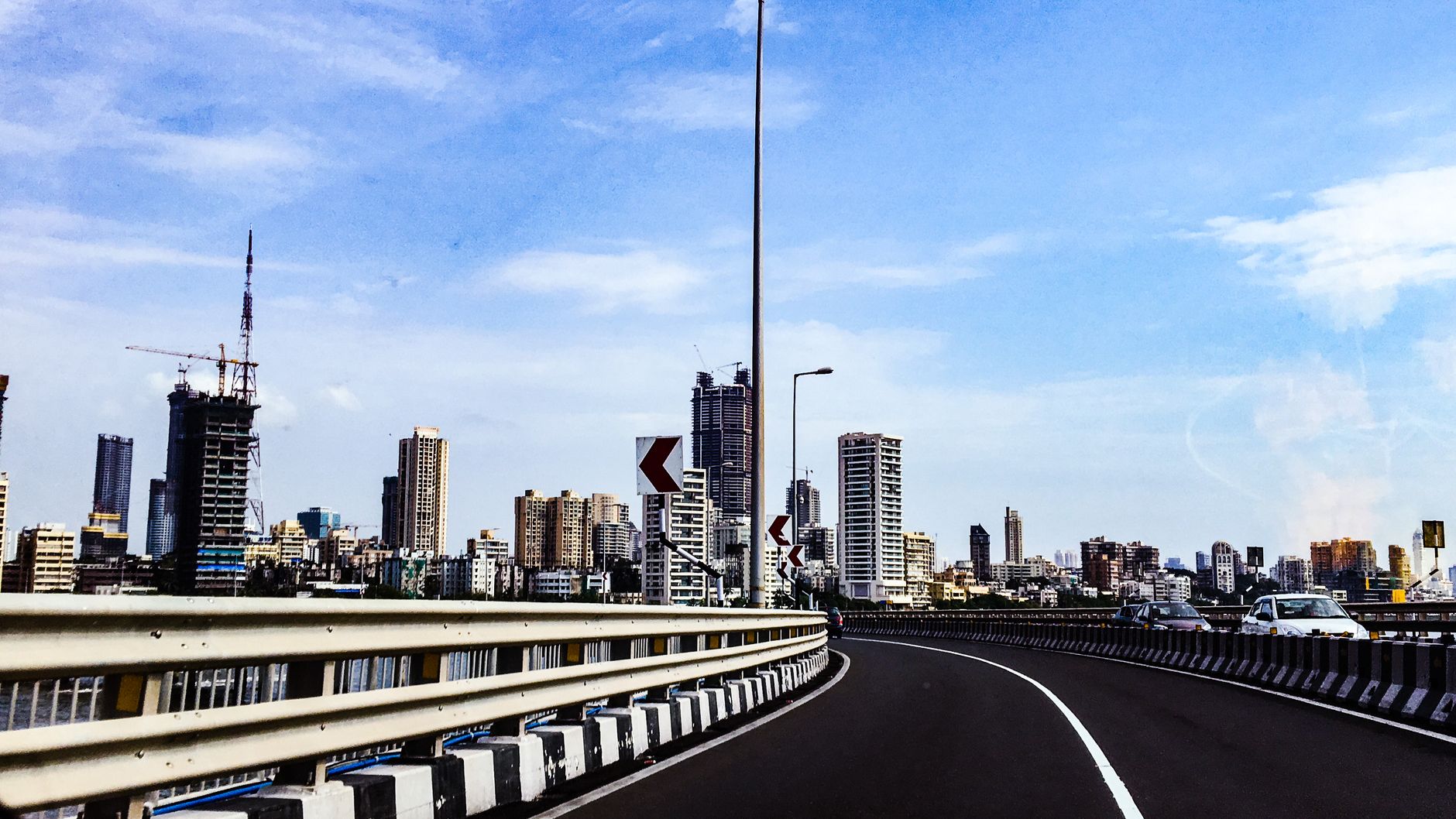
Mumbai launches Ghatkopar Digital District, a flagship smart city initiative blending AI, IoT, and green infrastructure. The project aims to transform urban living and inspire cities worldwide.
Mumbai, India — July 20, 2026: The Ghatkopar Digital District, Mumbai’s most ambitious smart city project to date, was officially inaugurated this week, signaling a new era in urban development for India’s financial capital. The initiative, launched by the Brihanmumbai Municipal Corporation (BMC) in partnership with global technology firms, aims to transform a 12-square-kilometer area into a model of sustainable, tech-driven urban living, according to The Economic Times.
The Ghatkopar Digital District is designed to address Mumbai’s chronic urban challenges—overcrowding, pollution, and infrastructure strain—by integrating advanced digital technologies. The project’s launch comes amid growing demand for smarter, more resilient cities across India, as urban populations soar and climate risks intensify.

Background: Mumbai’s Smart City Vision
Mumbai has long grappled with the pressures of rapid urbanization. According to the 2021 Census, the city’s population exceeded 22 million, making efficient urban management critical. The Smart Cities Mission, launched by the Indian government in 2015, identified Mumbai as a priority, but progress has been slow due to bureaucratic and logistical hurdles.In 2024, the BMC unveiled its plan for the Ghatkopar Digital District, selecting the eastern suburb for its mix of residential, commercial, and industrial zones. The area was chosen for its potential to showcase scalable solutions, according to statements from the BMC Commissioner.
Key Features of the Ghatkopar Digital District
The district incorporates a network of over 5,000 IoT sensors monitoring air quality, traffic flow, water usage, and energy consumption. Real-time data is processed in a central command center, allowing authorities to respond swiftly to emerging issues, as reported by Hindustan Times.AI-powered traffic management systems have reduced congestion by 18% in pilot zones, according to a June 2026 BMC report. Smart streetlights, which adjust brightness based on pedestrian and vehicular movement, have cut energy consumption by 27%.
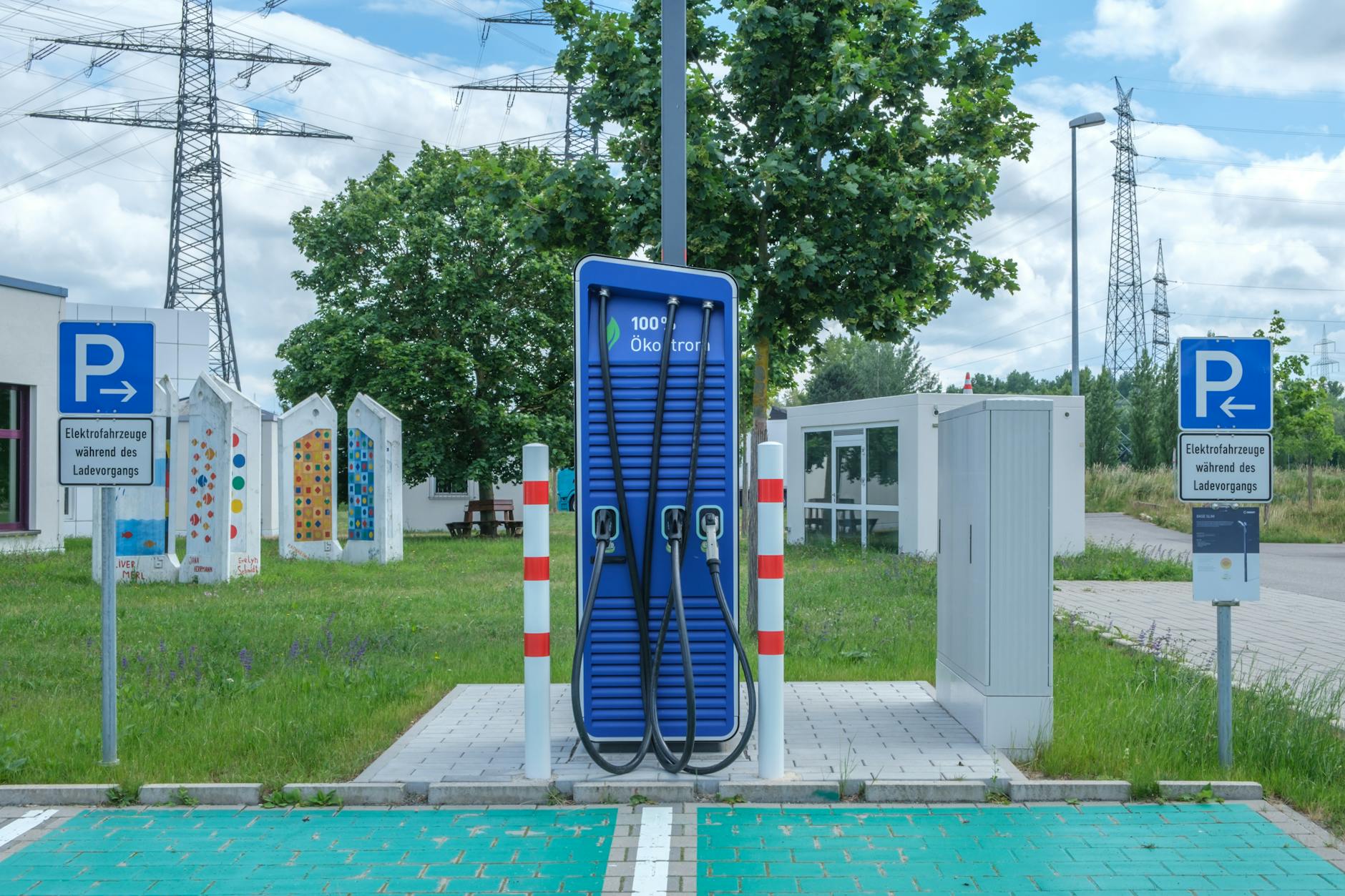
The district also features India’s largest network of public EV charging stations, supporting over 2,000 electric vehicles daily. Green infrastructure, including vertical gardens and rainwater harvesting systems, is integrated into new developments, aiming to reduce the urban heat island effect and improve stormwater management.
Digital Public Services and Citizen Engagement
Residents of Ghatkopar Digital District can access municipal services through a unified mobile app, enabling digital payments for utilities, online grievance redressal, and real-time public transport updates. Over 70% of households have registered on the platform since its soft launch in May, according to BMC data.The district’s digital literacy program, run in partnership with Tata Consultancy Services, has trained more than 10,000 residents in using smart technologies, bridging the digital divide that often hampers adoption in large cities.
Challenges and Criticisms
Despite its promise, the project faces criticism over privacy concerns. Civil society groups, including the Internet Freedom Foundation, have raised questions about data security and surveillance. The BMC has responded by publishing its data governance policy and promising regular audits.Affordability is another concern. While the district’s new housing projects include a 30% quota for low-income families, some activists argue that rising property values could displace existing residents, as noted by Mumbai Mirror.
Economic and Environmental Impact
The project has attracted over ₹2,500 crore ($300 million) in private investment, with major contributions from Siemens, Infosys, and local startups. The district is projected to create 15,000 new jobs in tech, construction, and green industries by 2028, according to a BMC economic impact assessment.
On the environmental front, early data shows a 12% improvement in air quality index (AQI) readings compared to 2025, and a 15% reduction in non-recyclable waste, according to the Maharashtra Pollution Control Board.
Lessons for Other Cities
Urban planners from Delhi, Bengaluru, and Hyderabad have visited Ghatkopar to study its integrated command center and citizen engagement strategies. International observers, including a delegation from Singapore’s Urban Redevelopment Authority, have praised the project’s scalability and public-private partnership model.Experts highlight the importance of adaptive governance and community participation. According to Professor Ritu Mathur of the Indian Institute for Human Settlements, the district’s success hinges on continuous feedback and transparent decision-making.
What’s Next for Mumbai’s Smart City Drive?
The BMC plans to expand the digital district model to three additional suburbs by 2028, with a focus on integrating renewable energy and climate resilience measures. The state government has announced a ₹1,000 crore fund to support smart city innovations across Maharashtra.Meanwhile, the Ghatkopar Digital District will undergo a third-party evaluation in early 2027 to assess its social, economic, and environmental outcomes. Findings will inform future urban development policies at both city and national levels.
Conclusion
The Ghatkopar Digital District represents a bold step forward in Mumbai’s urban transformation. While challenges remain, the project’s early successes offer a template for cities worldwide seeking to balance growth, sustainability, and inclusivity.Sources
Information in this article is based on reports from The Economic Times, Hindustan Times, Mumbai Mirror, Maharashtra Pollution Control Board, and official BMC statements.Sources: Information sourced from The Economic Times, Hindustan Times, Mumbai Mirror, Maharashtra Pollution Control Board, and official BMC reports.