
The National Testing Agency has announced significant changes to the NEET 2026 syllabus and exam pattern. This article details the updates, expert insights, and essential preparation tips for aspirants.
New Delhi, March 29, 2026 — The National Testing Agency (NTA) has released major updates for the National Eligibility cum Entrance Test (NEET) 2026, including a revised syllabus and changes in the exam pattern, aiming to align with the latest NCERT curriculum and global standards, according to an official NTA circular released today.
NEET is India’s largest medical entrance exam, with over 2.3 million candidates registering in 2025, as per NTA statistics. The annual exam determines admission to undergraduate medical and dental courses across the country, making any change highly consequential for lakhs of aspirants.

Background: Why the NEET Syllabus is Changing
The Ministry of Education recommended revising the NEET syllabus to reflect recent updates in the NCERT textbooks and to ensure parity with state board syllabi. This move follows feedback from educators and students regarding outdated topics and gaps in the existing curriculum, as reported by The Hindu.According to the NTA, the changes are also intended to reduce the burden of rote learning and to encourage conceptual understanding. The new syllabus incorporates emerging topics in biology and chemistry, such as genomics and environmental sustainability, reflecting global trends in medical education.
Key Changes in NEET 2026 Syllabus
The revised NEET 2026 syllabus has dropped several topics from physics and chemistry that were previously considered outdated or redundant. New chapters on biotechnology, molecular genetics, and climate change have been added, according to the official NTA document.For biology, chapters on human health and diseases, biotechnology, and ecology have been expanded. Chemistry now includes updated organic chemistry modules and real-world application-based questions, as detailed by The Times of India. Physics sees a greater emphasis on modern physics and practical applications.
Exam Pattern Updates
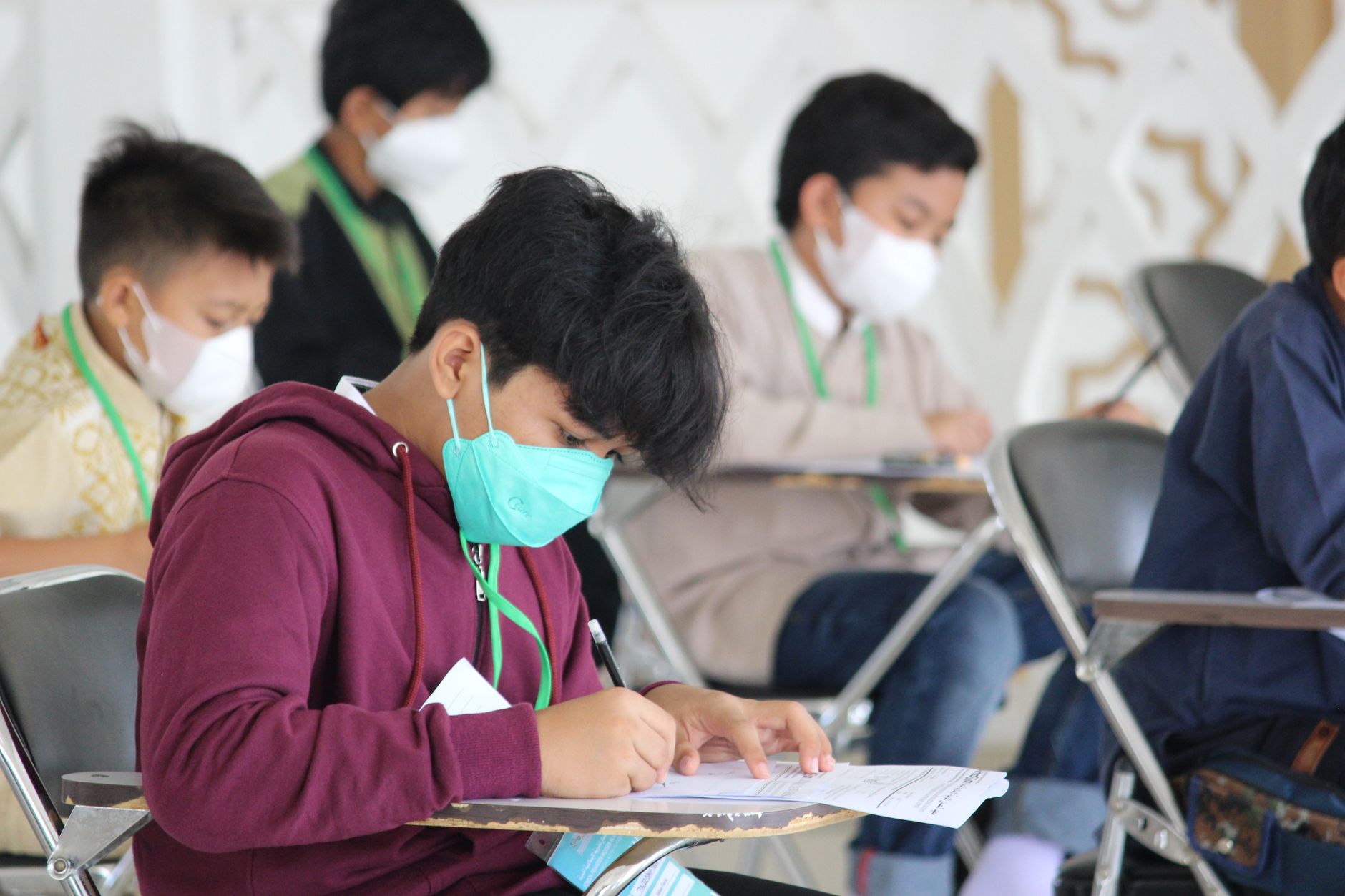
The NEET 2026 exam will retain its 3-hour 20-minute duration but will now feature 200 questions, of which candidates must attempt 180. The question distribution remains the same: 50 each in Physics, Chemistry, and Biology (Botany and Zoology combined), with a new section for analytical reasoning.A major update is the inclusion of assertion-reason and case-based questions, designed to test higher-order thinking skills. The marking scheme remains unchanged: +4 for correct answers, -1 for incorrect, and zero for unattempted questions.
Expert Insights on the Syllabus Changes
Dr. Ramesh Kumar, senior faculty at Aakash Institute, told The Indian Express, "The new syllabus is more aligned with international medical entrance standards and will help students build a strong conceptual foundation."Coaching institutes are already updating their study materials and mock tests to reflect the new topics. Experts advise students to focus on understanding concepts rather than memorizing facts, as the new exam pattern prioritizes application-based questions.
Student Reactions and Concerns
Many students have welcomed the changes, citing reduced syllabus overlap and better alignment with their school curricula. However, some expressed anxiety about adapting to new topics and question formats, as reported by NDTV.To address concerns, the NTA has announced a series of webinars and online workshops for students and teachers, starting April 2026. These sessions will clarify syllabus changes and provide guidance on effective preparation strategies.
Top Preparation Tips for NEET 2026
Experts recommend starting preparation early, focusing on the updated NCERT textbooks, and practicing assertion-reason and case-based questions. Regular mock tests and time management are crucial for success.Students should create a detailed study plan, allocate time for revision, and use online resources such as NTA’s official sample papers. Joining peer study groups and attending coaching classes can provide additional support.

Digital Resources and Support
The NTA has launched a dedicated NEET 2026 portal featuring updated syllabus PDFs, sample questions, and video tutorials. Several edtech platforms, including BYJU’S and Unacademy, have released free crash courses and doubt-clearing sessions.Mobile apps and AI-powered learning tools are increasingly popular among aspirants, offering personalized study plans and real-time progress tracking. According to a survey by Careers360, over 60% of NEET aspirants now use digital platforms for exam preparation.
Impact on Coaching Industry and Schools
Coaching centers are rapidly adapting to the changes by updating their curricula and training faculty. Schools affiliated with CBSE and state boards are also aligning their teaching methods to the revised NEET syllabus.Some experts believe the changes will level the playing field for students from different educational backgrounds. However, rural students may face challenges in accessing digital resources, highlighting the need for inclusive support programs.
What’s Next for NEET Aspirants?
The NTA will release detailed sample papers and conduct mock tests in June 2026. Aspirants are advised to monitor official updates and participate in NTA’s outreach programs for the latest information.Sources: Information for this article was sourced from the National Testing Agency (NTA), The Hindu, The Times of India, The Indian Express, NDTV, and Careers360.
Sources: Information sourced from the National Testing Agency, The Hindu, The Times of India, The Indian Express, NDTV, and Careers360.