
The NEET UG 2026 registration has begun, featuring major updates in exam pattern, eligibility, and application process. Experts share strategic tips for aspirants to maximize their performance.
New Delhi, April 2, 2026 — The National Testing Agency (NTA) has officially opened registration for NEET UG 2026, India’s largest undergraduate medical entrance exam, introducing significant changes in exam pattern and eligibility criteria, according to the NTA’s latest notification.
The National Eligibility cum Entrance Test (NEET) is the gateway for admission to MBBS, BDS, and allied medical courses across India. Each year, over 2 million students compete for limited seats, making it one of the most competitive exams in the country, as reported by The Hindu.

Major Updates in NEET UG 2026
The NTA has announced several key changes for NEET UG 2026. The exam will now feature a revised syllabus, incorporating recent updates from the National Medical Commission (NMC). Additionally, the number of questions has been increased to 210, with candidates required to attempt 180, as per the official NEET 2026 brochure.A notable change is the inclusion of new topics in Biology and Chemistry, reflecting the latest advancements in medical science. Physics will also see an increased emphasis on application-based questions, according to the NMC guidelines released in March 2026.
Eligibility Criteria and Application Process
The minimum age for NEET UG 2026 remains 17 years, but the upper age limit has been removed, allowing more aspirants to apply. The application process is entirely online, with the deadline set for May 15, 2026, as per NTA’s official website.Candidates must upload scanned copies of their photograph, signature, and required documents. The application fee has been revised to ₹1,700 for General, ₹1,600 for OBC/EWS, and ₹1,000 for SC/ST/PwD candidates, according to the NTA notification.

Exam Pattern and Syllabus Changes
The NEET 2026 exam will be conducted offline in pen-and-paper mode. The question paper will consist of Physics, Chemistry, and Biology (Botany & Zoology), each carrying equal weightage. The syllabus has been updated to align with the latest NCERT textbooks and NMC recommendations.Negative marking remains in place: one mark will be deducted for every incorrect answer. However, the NTA has introduced a new section with optional questions, giving students more flexibility in attempting the paper, as detailed in the NEET 2026 information bulletin.
Expert Tips for NEET 2026 Preparation
Leading educators recommend starting preparation early and focusing on conceptual clarity. Dr. Ramesh Kumar, a renowned NEET coach, advises students to prioritize NCERT textbooks and practice previous years’ question papers for best results.Time management is crucial. Experts suggest creating a realistic timetable, allocating specific hours to each subject, and taking regular mock tests. According to a survey by Careers360, students who took at least 15 full-length mocks scored 20% higher on average.
Revision is key. Dr. Priya Sharma, a subject expert, recommends making concise notes and revising them weekly. She emphasizes the importance of understanding diagrams and flowcharts, especially in Biology, as these are frequently tested.

Digital Tools and Resources
With the rise of online learning, aspirants can access a variety of digital resources. Platforms like Unacademy, BYJU’S, and Vedantu offer live classes, doubt-solving sessions, and AI-powered practice tests, as highlighted by The Economic Times.The NTA has also launched a free practice app for NEET 2026, providing sample papers and instant feedback. This initiative aims to bridge the digital divide and support students from rural backgrounds, according to an NTA press release.
Stress Management and Wellness
Competitive exam stress can impact performance. Mental health experts recommend regular breaks, physical exercise, and mindfulness techniques. According to a study by the Indian Journal of Psychiatry, students who practiced meditation reported lower anxiety levels during exams.Parental support is vital. Counseling services are available at many coaching centers to help students and families cope with exam pressure. The NTA has also set up a 24x7 helpline for exam-related queries and emotional support.
Exam Day Guidelines and COVID-19 Protocols
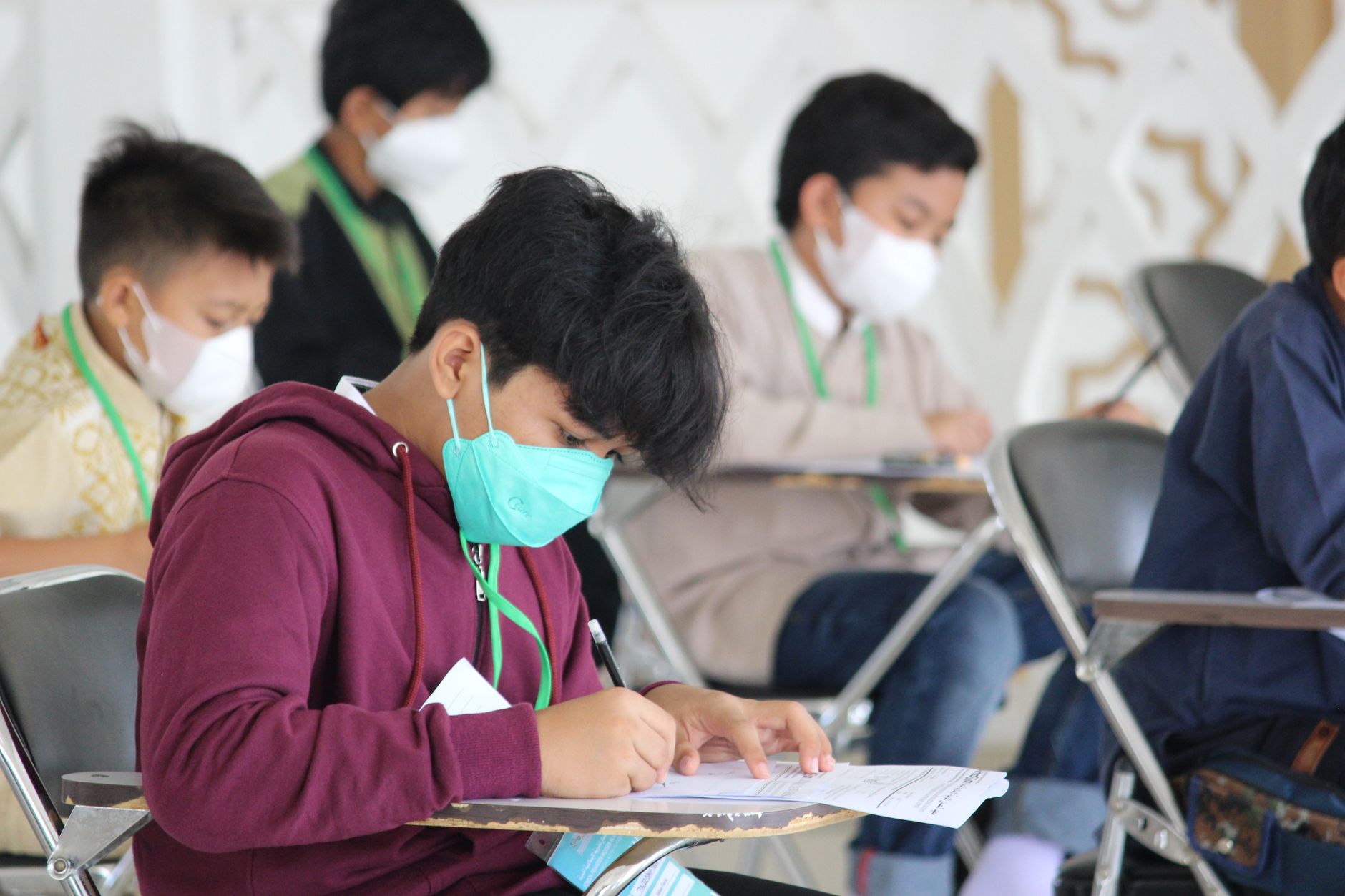
The NEET 2026 exam is scheduled for July 12, 2026, across 4,500 centers nationwide. Strict COVID-19 protocols will be enforced, including mandatory masks, thermal screening, and staggered entry timings, as per the Ministry of Education’s guidelines.Candidates are advised to reach their centers at least two hours before the exam and carry their admit card, valid ID proof, and necessary stationery. Electronic devices and calculators are strictly prohibited inside the exam hall.
What’s Next for Aspirants?
After the exam, answer keys and OMR sheets will be released within a week. Results are expected by August 5, 2026. Counseling for MBBS and BDS seats will begin shortly after, as per the Medical Counselling Committee (MCC).Experts advise candidates to keep all documents ready for counseling and stay updated through official websites. Any discrepancies in results or answer keys can be challenged online within the stipulated window, according to NTA’s dispute resolution process.
Sources
The information in this article is based on official notifications from the National Testing Agency, the National Medical Commission, The Hindu, The Economic Times, Careers360, and the Indian Journal of Psychiatry.Sources: Information sourced from National Testing Agency, National Medical Commission, The Hindu, The Economic Times, and Careers360 reports.