
Karnataka fast-tracks NEP 2020 implementation, setting benchmarks for other states. The state’s progress, challenges, and national impact are examined as India transforms its education system.
Bengaluru, February 26, 2026 — Karnataka has emerged as a frontrunner in the nationwide implementation of the National Education Policy (NEP) 2020, with the state government announcing the completion of major milestones in curriculum restructuring and teacher training this week. The accelerated rollout is drawing attention from policymakers and educators across India, as reported by The Hindu and The Times of India.
The NEP 2020, approved by the Union Cabinet in July 2020, aims to overhaul India’s education system from early childhood to higher education. Karnataka was the first state to formally adopt the policy, and its progress serves as a blueprint for others. The latest updates reveal significant strides in curriculum integration, teacher upskilling, and digital infrastructure, according to the state’s Department of Primary and Secondary Education.
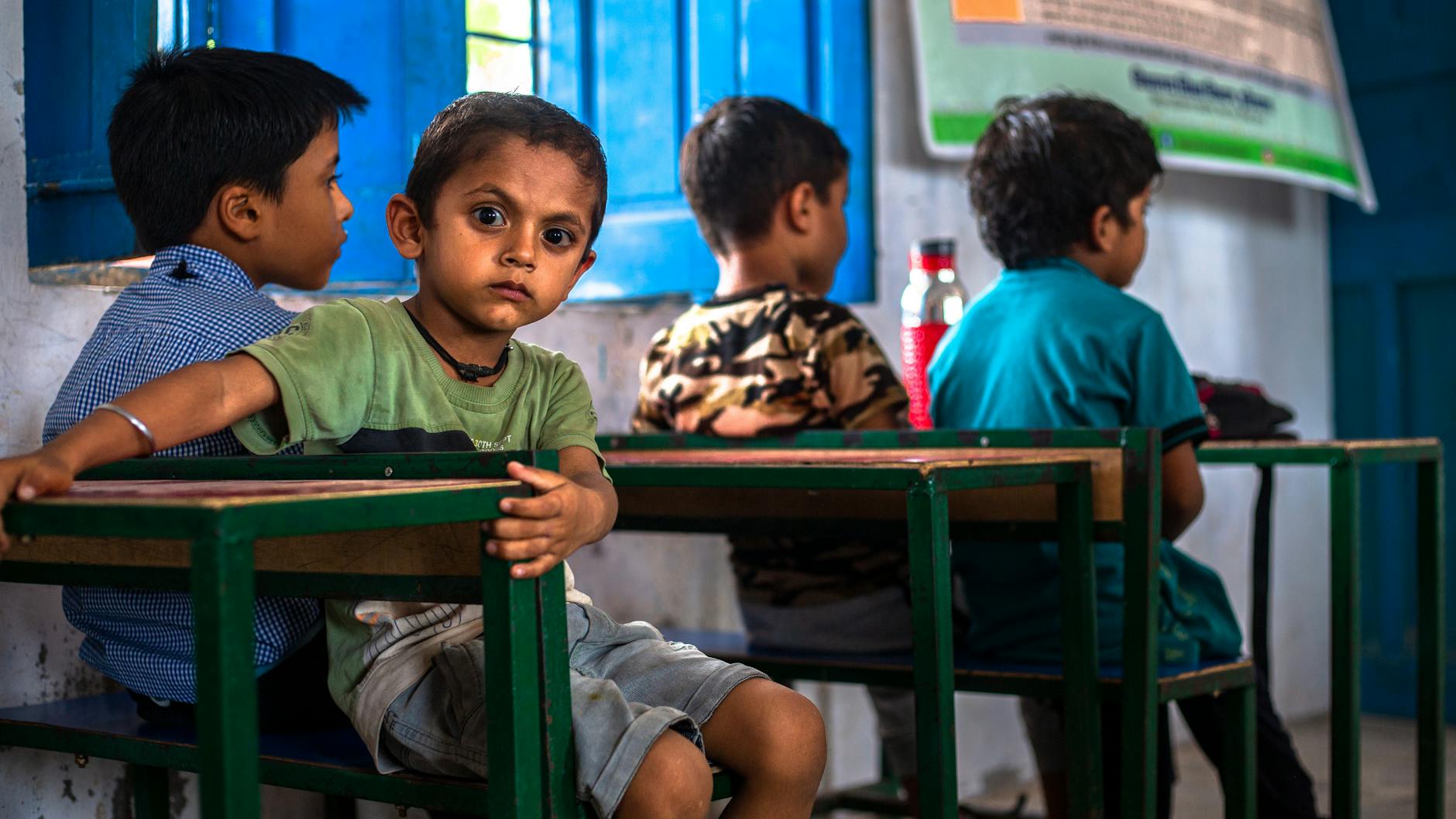
Background: NEP 2020’s Vision and Karnataka’s Early Adoption
The NEP 2020 seeks to transform India’s education landscape by introducing a holistic, multidisciplinary approach, flexible curricula, and emphasis on foundational literacy and numeracy. Karnataka’s government announced its commitment to the policy in August 2021, launching pilot programs in select districts before scaling up statewide by 2023, as reported by The Indian Express.The policy’s 5+3+3+4 curricular structure replaces the old 10+2 system, aligning with global best practices. Karnataka’s education minister, Madhu Bangarappa, stated that the state’s early adoption was driven by a desire to address learning gaps exacerbated by the COVID-19 pandemic and to prepare students for a rapidly changing job market.
Key Milestones: Curriculum Overhaul and Teacher Training
In the 2025-26 academic year, Karnataka completed the rollout of the new foundational curriculum in over 95% of its government and aided schools, according to the Department of State Educational Research and Training (DSERT). The curriculum emphasizes experiential learning, mother tongue instruction in early grades, and integration of local culture.A major achievement has been the training of more than 120,000 teachers in NEP-aligned pedagogies, with support from the National Council of Educational Research and Training (NCERT) and UNICEF. Digital modules and in-person workshops have enabled teachers to adapt to competency-based assessments and project-based learning models.
Expansion of Multilingual Education
Karnataka has introduced multilingual textbooks in Kannada, English, and regional languages for classes 1 to 5. The state’s education secretary, R. Vishal, noted that this move has improved early grade reading outcomes, as reflected in the Annual Status of Education Report (ASER) 2025, which showed a 12% rise in grade-level reading proficiency.The NEP’s emphasis on mother tongue instruction has been welcomed by parents and educators, though some concerns remain regarding resource allocation for minority languages. The government has pledged to expand teacher recruitment for Urdu, Tamil, and Telugu medium schools in the coming academic year.

Digital Learning and Infrastructure Upgrades
Karnataka has invested ₹1,200 crore in digital classrooms and smart boards, with over 80% of government high schools now equipped with e-learning facilities, according to the state’s education department. The ‘Shikshak Mitra’ app, launched in 2024, enables teachers to access training resources and track student progress digitally.To bridge the digital divide, the state distributed 500,000 tablets to students from economically weaker sections. Partnerships with private edtech firms have further enhanced access to adaptive learning platforms, especially in rural and semi-urban areas.

Higher Education Reforms and Multidisciplinary Colleges
Karnataka’s universities have adopted the NEP’s flexible credit system, allowing students to pursue multidisciplinary courses and earn multiple exit certificates. The state has established 15 model multidisciplinary colleges and revamped undergraduate curricula to include skill-based electives and internships, as reported by The Times of India.The University Grants Commission (UGC) praised Karnataka’s progress, noting a 20% increase in undergraduate enrollment in STEM and vocational courses since 2023. The state’s higher education minister, Dr. C.N. Ashwath Narayan, highlighted the success of the Academic Bank of Credits, which enables credit transfer across institutions.
Challenges: Teacher Shortages and Regional Disparities
Despite progress, Karnataka faces challenges in scaling NEP reforms statewide. Teacher shortages persist in rural districts, with a vacancy rate of 14% in government schools, according to a 2026 report by Azim Premji Foundation.Infrastructure gaps remain in remote areas, with 18% of schools lacking adequate internet connectivity. The state government has announced a ₹500 crore allocation for rural school upgrades, but implementation is ongoing. Stakeholders have called for increased community involvement and monitoring.
Assessment and Early Outcomes
Early data from the Karnataka State Board’s 2025-26 assessments indicate improvements in foundational literacy and numeracy, with pass rates in grades 3 and 5 rising by 9% and 7%, respectively, compared to 2022. Dropout rates have declined from 4.3% to 2.6% over the same period.However, education experts caution that sustained investment and teacher support are needed to maintain momentum. The state plans to conduct a comprehensive NEP impact study in partnership with the Tata Institute of Social Sciences later this year.
National Impact: Karnataka as a Model for Other States
Karnataka’s NEP journey has influenced other states, including Uttar Pradesh, Maharashtra, and Tamil Nadu, which have sent delegations to study its implementation strategies. Union Education Minister Dharmendra Pradhan commended Karnataka’s leadership at the recent National Education Conclave in Delhi.The Ministry of Education has urged states to adopt Karnataka’s blended learning and teacher training models. The central government is considering additional funding for states that demonstrate measurable NEP progress in the 2026-27 budget.
What’s Next: Scaling Reforms and Addressing Gaps
Karnataka aims to achieve 100% NEP compliance in all schools and colleges by 2027. The state is piloting artificial intelligence-based learning analytics and expanding vocational education pathways in partnership with industry leaders.As NEP 2020 transforms India’s education system, Karnataka’s experience offers valuable lessons. Continuous monitoring, stakeholder engagement, and equitable resource allocation will be crucial for sustaining reforms and ensuring quality education for all.
Sources
Information in this article is based on reports from The Hindu, The Times of India, The Indian Express, ASER 2025, Karnataka Department of Education, Azim Premji Foundation, and official statements from the Ministry of Education.Sources: Information sourced from The Hindu, The Times of India, The Indian Express, ASER 2025, Karnataka Department of Education, Azim Premji Foundation, and Ministry of Education reports.