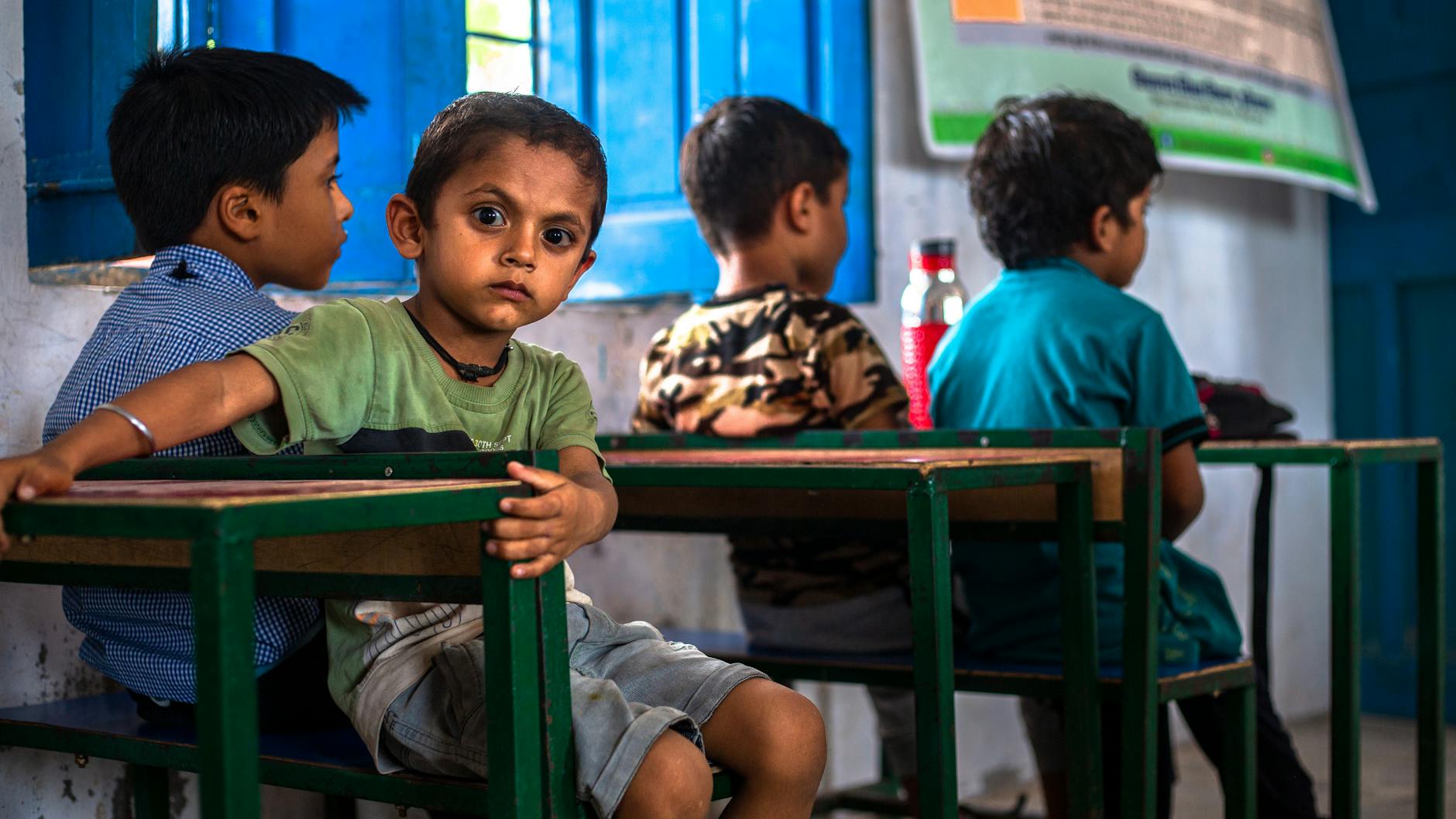
Karnataka has become the first Indian state to fully implement NEP 2020’s multilingual curriculum, setting a precedent for others. This article explores the rollout, challenges, and national implications.
Bengaluru, February 14, 2026 — Karnataka has become the first Indian state to fully implement the National Education Policy (NEP) 2020’s multilingual curriculum across all public schools, marking a significant milestone in India’s education reform, according to The Hindu.
The state government announced on February 13 that all government and aided schools have adopted the three-language formula, integrating Kannada, English, and a third language of choice, as per NEP 2020 guidelines. This move comes after months of pilot programs and teacher training initiatives.

Karnataka’s education minister, Dr. B.C. Nagesh, stated that the state completed the transition ahead of the 2026-27 academic year, making it a model for other states. The announcement follows a central government review, which praised Karnataka’s proactive approach (The Economic Times).
Background: NEP 2020 and the Multilingual Mandate
The National Education Policy 2020, approved by the Union Cabinet in July 2020, aims to overhaul India’s education system. A key feature is the emphasis on multilingual education, requiring states to offer at least three languages at the foundational and secondary levels (Ministry of Education, India).
The policy encourages instruction in the mother tongue or regional language until at least Grade 5, aiming to improve learning outcomes and cultural connection. Implementation has varied across states due to logistical, linguistic, and political challenges.
Karnataka’s Roadmap to Implementation
Karnataka began its NEP rollout with pilot projects in Bengaluru Urban and Mysuru in 2024. The state invested ₹350 crore in teacher training, digital resources, and curriculum development, according to the Department of Primary and Secondary Education.

By mid-2025, over 25,000 teachers had completed NEP-specific training modules, focusing on multilingual pedagogy and competency-based assessments. The government distributed new textbooks and digital learning aids to over 40,000 schools (Times of India).
Challenges Faced During Rollout
Despite the success, the transition was not without hurdles. Teacher unions raised concerns about increased workload and the need for ongoing support. Rural schools faced delays in receiving updated materials due to supply chain issues.
Some parents expressed apprehension about the three-language formula, fearing it might dilute English proficiency. However, the state reassured stakeholders that English would remain a core subject, with additional support for students lagging behind.
Central Government’s Response and National Implications
The Ministry of Education lauded Karnataka’s achievement, urging other states to expedite their NEP implementation. As per a recent review, only six states have partially adopted the multilingual curriculum, while others remain in the planning phase (Indian Express).
States like Maharashtra and Tamil Nadu have cited regional language sensitivities and logistical barriers as reasons for slower progress. The central government has offered additional funding and technical support to lagging states.
Impact on Students and Teachers

Early feedback from Karnataka’s schools indicates improved student engagement and comprehension, particularly in foundational grades. Teachers report that students are more confident participating in class when taught in their mother tongue.
A survey by Azim Premji University found that 68% of teachers observed better learning outcomes in multilingual classrooms. However, 42% requested more resources and ongoing training to sustain the transition.
What’s Next for NEP Implementation Nationwide?
The Union Ministry of Education has set a target for all states to fully implement the NEP’s multilingual curriculum by 2028. Karnataka’s experience will serve as a blueprint, with inter-state workshops planned for March 2026.
Education experts recommend continuous monitoring, stakeholder engagement, and adaptive curriculum design to address emerging challenges. The central government is expected to release a detailed progress report in April 2026.
Sources
Information for this article was sourced from The Hindu, The Economic Times, Times of India, Indian Express, Ministry of Education (India), and Azim Premji University reports.Sources: Information sourced from The Hindu, The Economic Times, Times of India, Indian Express, Ministry of Education (India), and Azim Premji University reports.