
Karnataka’s rapid implementation of NEP 2020, including new curriculum and assessment reforms, sparks debate among educators and parents. The state sets a precedent as others watch closely.
Bengaluru, April 11, 2026 — Karnataka has become the first major Indian state to fully implement the National Education Policy (NEP) 2020 across all public schools, introducing sweeping curriculum changes and new assessment models this academic year, according to the state education department.
The rollout marks a significant milestone in India’s education reform journey. Karnataka’s education minister, S. Ramesh Kumar, announced on Thursday that the state’s 48,000 government schools have adopted the new NEP-aligned curriculum for classes 1 to 10, impacting over 8 million students.
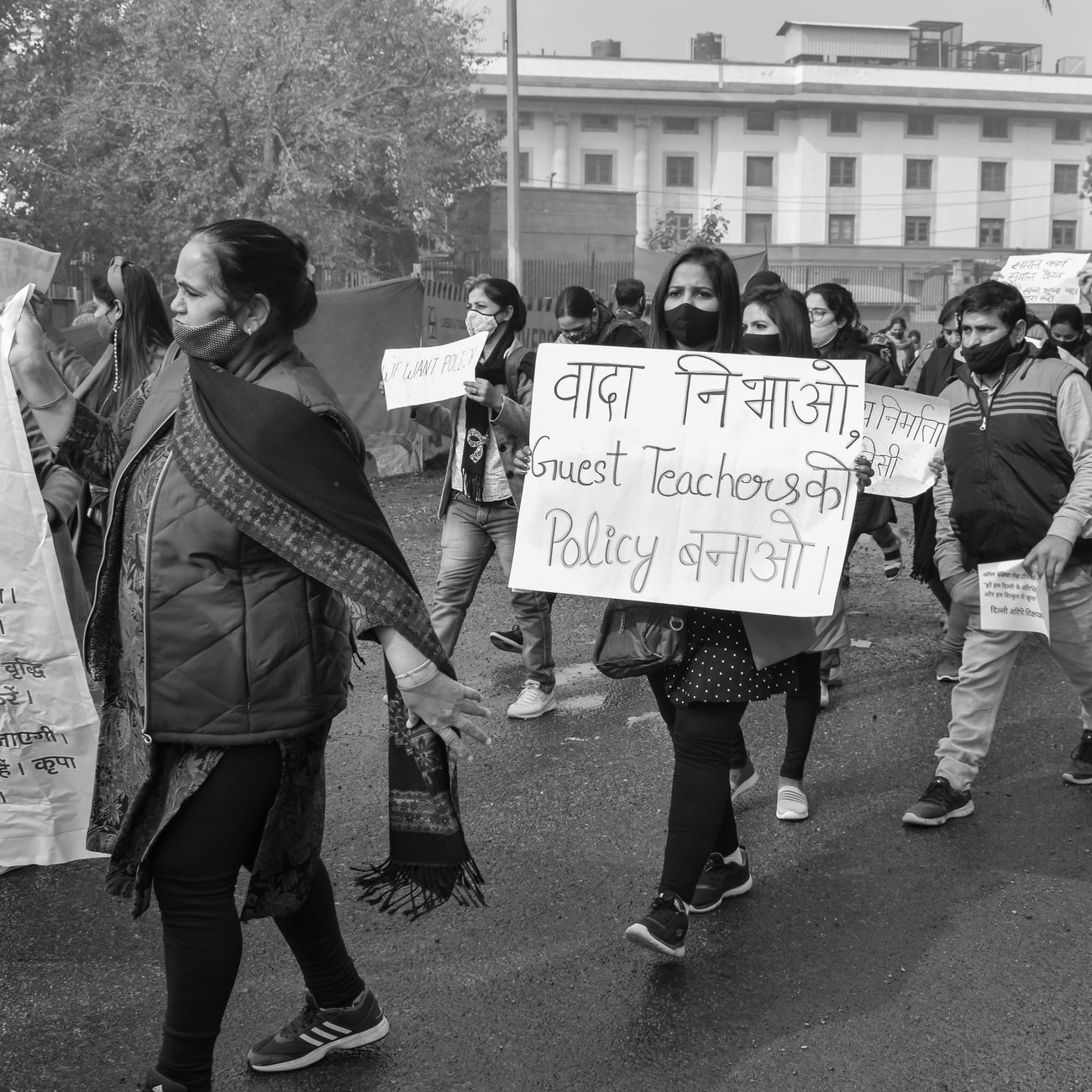
The NEP 2020, approved by the Union Cabinet in July 2020, aims to overhaul India’s education system, focusing on holistic development, flexibility, and multidisciplinary learning. Karnataka’s full-scale adoption comes as other states grapple with phased rollouts and logistical challenges, as reported by The Hindu.
Background: NEP 2020 and Its Vision
The National Education Policy 2020 is the first comprehensive education reform in India in over three decades. It seeks to replace the 10+2 structure with a 5+3+3+4 curricular framework, emphasizing foundational literacy, early childhood education, and vocational exposure, according to the Ministry of Education.
Key NEP goals include universal access to quality education, mother tongue instruction until at least Grade 5, and a shift from rote memorization to competency-based learning. The policy also advocates for teacher training, digital learning, and reduced curriculum content.
Karnataka’s Implementation Strategy
Karnataka’s education department began pilot programs in select districts in 2023. By early 2026, the state had trained over 120,000 teachers in NEP methodologies, according to the Times of India. Digital resources and teacher handbooks were distributed to facilitate the transition.

The new curriculum emphasizes experiential learning and project-based assessments. For example, science classes now include hands-on experiments, while language classes focus on storytelling and local literature. The state has also introduced vocational modules in middle school.
Assessment Reforms and New Report Cards
Traditional exams have been replaced with periodic formative assessments. Students receive detailed report cards highlighting academic, social, and emotional development. This aligns with NEP’s holistic progress tracking, as outlined by the Ministry of Education.
The new system also introduces peer and self-assessment components. Teachers report that students are more engaged, but some parents have expressed confusion over the new grading methods, according to local news outlet Deccan Herald.
Mixed Reactions from Stakeholders
While education experts have praised Karnataka’s leadership, the transition has not been without controversy. Teachers’ unions have raised concerns about increased workload and insufficient training time. Parent associations have called for more orientation sessions to understand the new system.
Some rural schools have struggled with digital infrastructure, hindering access to online learning materials. The state government has pledged to invest ₹200 crore in upgrading technology and internet connectivity in remote areas, as reported by The Economic Times.
Impact on Students and Learning Outcomes

Preliminary data from the Karnataka State Education Research Board shows a 12% increase in student participation in classroom discussions and project work since the NEP curriculum was introduced. However, standardized test scores have remained flat, raising questions about short-term academic gains.
Students interviewed by The Hindu expressed enthusiasm for activity-based learning but noted that adapting to new assessment styles takes time. Teachers say the focus on critical thinking is a positive shift, though some fear it may disadvantage students used to traditional exams.
National Implications and What’s Next
Karnataka’s experience is being closely watched by other states. Maharashtra and Uttar Pradesh have announced plans to accelerate their own NEP rollouts, while states like Tamil Nadu remain cautious, citing language policy concerns, according to India Today.
The central government has called Karnataka’s model a ‘template’ for nationwide NEP implementation. The Ministry of Education will convene a national review in May 2026 to assess progress and address challenges faced by early adopter states.
Conclusion: A Turning Point in Indian Education
As Karnataka leads the way, the success and setbacks of its NEP rollout will inform the next phase of education reform across India. Stakeholders agree that sustained investment, ongoing teacher support, and community engagement are crucial for lasting change.
Sources: This article references reporting and data from The Hindu, Times of India, Deccan Herald, The Economic Times, India Today, and the Ministry of Education.
Sources: Information sourced from The Hindu, Times of India, Deccan Herald, The Economic Times, India Today, and the Ministry of Education.