

Maharashtra's Multidisciplinary Push
This week, Maharashtra's Higher and Technical Education Minister, Chandrakant Patil, inaugurated 15 new colleges in Pune, Nagpur, and Mumbai. These institutions offer integrated programs in science, arts, commerce, and emerging fields like data science and environmental studies, as reported by Hindustan Times.
Curriculum Reforms and Teacher Training
The state has also revised undergraduate syllabi to include more interdisciplinary modules and project-based learning. Over 12,000 teachers have undergone NEP-aligned training workshops since January 2026, according to the Indian Express.
Technology Integration in Classrooms
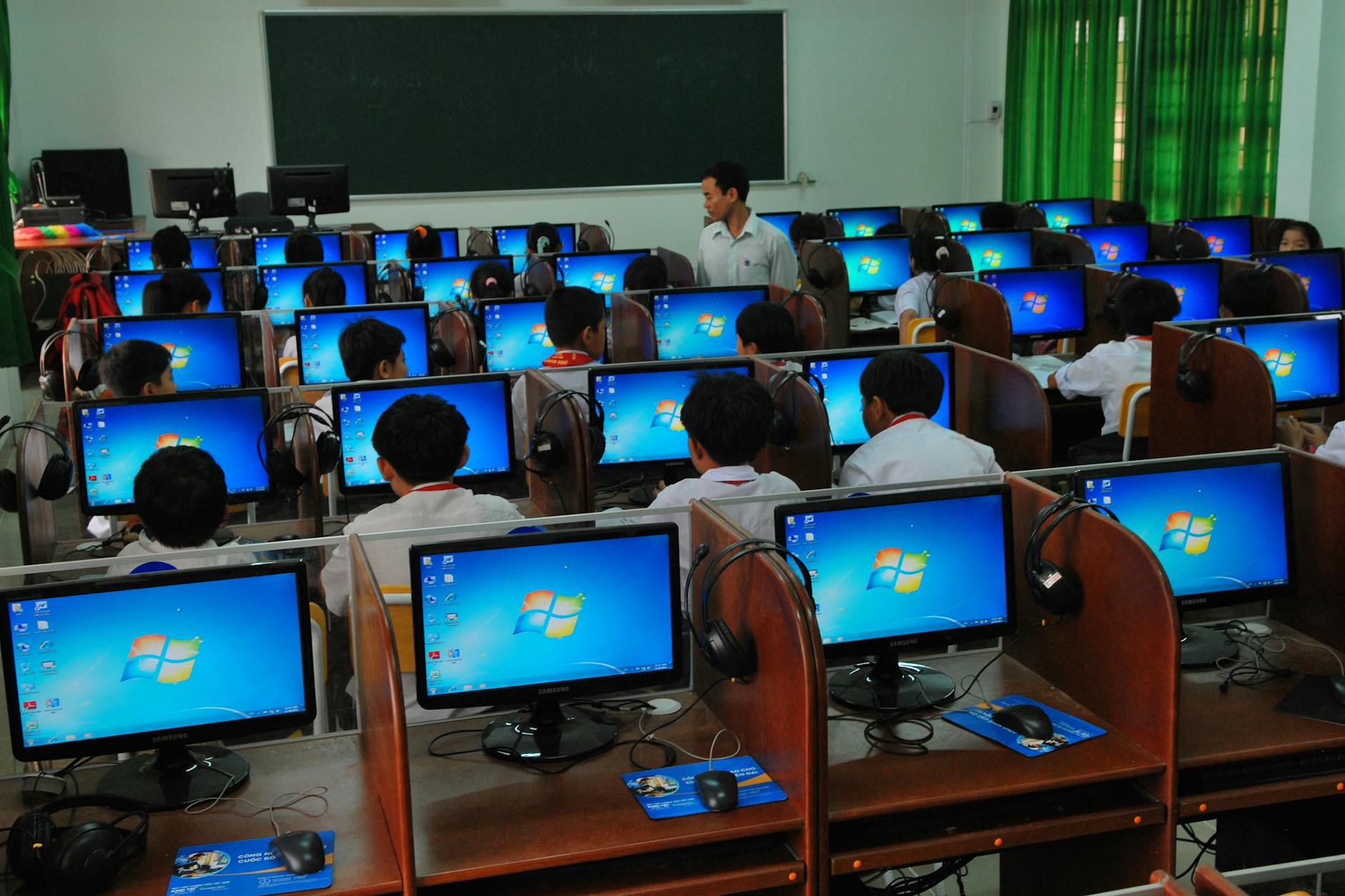
Maharashtra's rollout leverages digital platforms for blended learning. The state partnered with EdTech firms to provide online modules, virtual labs, and AI-powered assessment tools. According to The Economic Times, over 80% of the new colleges are equipped with smart classrooms and high-speed internet.
Challenges in Implementation
Despite progress, several challenges persist. Teacher shortages, especially in rural areas, and resistance to curriculum changes have slowed implementation in some districts. A survey by the Association of Indian Universities found that only 62% of Maharashtra's colleges have fully adopted NEP guidelines as of March 2026.

Student Perspectives and Early Outcomes
Students interviewed by The Hindu reported enthusiasm for the new multidisciplinary options and internships. Preliminary data from the Maharashtra State Board shows a 14% increase in higher education enrollment in 2025–26, particularly among women and first-generation learners.
National Implications and Comparisons
Maharashtra's NEP progress has drawn attention from other states. Karnataka and Tamil Nadu have sent delegations to study the state's model, according to The Indian Express. The Ministry of Education has praised Maharashtra's approach as a template for nationwide adoption.
Expert Analysis
Education experts say Maharashtra's success stems from strong political will, public-private partnerships, and sustained investment. Dr. Rukmini Banerji, CEO of Pratham, told Reuters, “Maharashtra’s integrated approach could accelerate India’s education transformation if scaled effectively.”

What's Next for NEP in Maharashtra?
The state plans to launch 10 more multidisciplinary colleges by 2027 and expand vocational education partnerships with industry. The government is also piloting a credit transfer system to facilitate student mobility across institutions.
Conclusion
Maharashtra’s rapid NEP 2020 rollout sets a benchmark for Indian states. While challenges remain, the state’s focus on multidisciplinary education, digital integration, and inclusive access signals a transformative shift in higher education.
Sources
References: The Times of India, Hindustan Times, Indian Express, The Economic Times, The Hindu, Reuters, India Today, Association of Indian Universities, Maharashtra State Higher Education Council.
Sources: Information sourced from The Times of India, Hindustan Times, Indian Express, The Economic Times, The Hindu, Reuters, and official reports from the Maharashtra State Higher Education Council.