
Uttar Pradesh has initiated a major phase of NEP 2020 implementation, introducing a multilingual curriculum across public schools. The move aims to boost inclusivity and learning outcomes statewide.
Lucknow, July 18, 2026 — Uttar Pradesh has launched a sweeping multilingual curriculum in government schools this week, marking a significant milestone in the state’s National Education Policy (NEP) 2020 implementation. The initiative, which began on July 15, is part of a broader push to promote regional languages and holistic education, according to officials from the Uttar Pradesh Basic Education Department.
The NEP 2020, approved by the Union Cabinet in July 2020, called for a transformation of India’s education system, emphasizing multilingualism, flexibility, and foundational literacy. Uttar Pradesh, India’s most populous state, is now at the forefront of this transformation with its ambitious curriculum rollout.

Under the new curriculum, students from grades 1 to 8 will study in Hindi, Urdu, and English, with the option to choose an additional regional language such as Awadhi or Bhojpuri. The policy aims to foster inclusivity and strengthen cognitive skills by allowing children to learn in their mother tongue, as recommended by NEP guidelines (Ministry of Education, 2024).
Background: NEP 2020 and Multilingualism
The National Education Policy 2020 set out to overhaul India’s education system, focusing on foundational literacy, early childhood care, and the use of mother tongue as a medium of instruction until at least Grade 5. The policy has been gradually adopted by various states, but Uttar Pradesh’s move is one of the largest multilingual implementations to date.
According to the Ministry of Education, over 23 million students are enrolled in government schools across Uttar Pradesh. The state’s adoption of a multilingual curriculum is expected to impact nearly 200,000 schools and over 700,000 teachers (The Hindu, July 2026).
Key Details of the Rollout
The new curriculum introduces textbooks and teaching materials in Hindi, Urdu, and English, with supplementary modules in regional languages. Teachers have undergone a month-long training program to adapt to the new pedagogy, according to the Uttar Pradesh State Council of Educational Research and Training (SCERT).

Digital resources and e-learning modules have been developed in multiple languages to support blended learning. The state government has partnered with the National Council of Educational Research and Training (NCERT) and private ed-tech firms to create interactive content accessible via the DIKSHA platform.
The curriculum also incorporates NEP’s emphasis on experiential learning, critical thinking, and vocational education. Students will participate in project-based assessments and community engagement activities, moving away from rote memorization.
Challenges and Teacher Preparedness
Implementing a multilingual curriculum at scale presents challenges. Teacher unions have raised concerns about workload and resource availability. According to a survey by Pratham (2026), 43% of teachers felt only partially prepared for the transition, citing a need for more training and classroom support.
The state government has responded by launching a helpline and peer-support network for teachers. Additional workshops are scheduled before the next academic session to address gaps in language proficiency and digital literacy.
Early Impact and Student Response
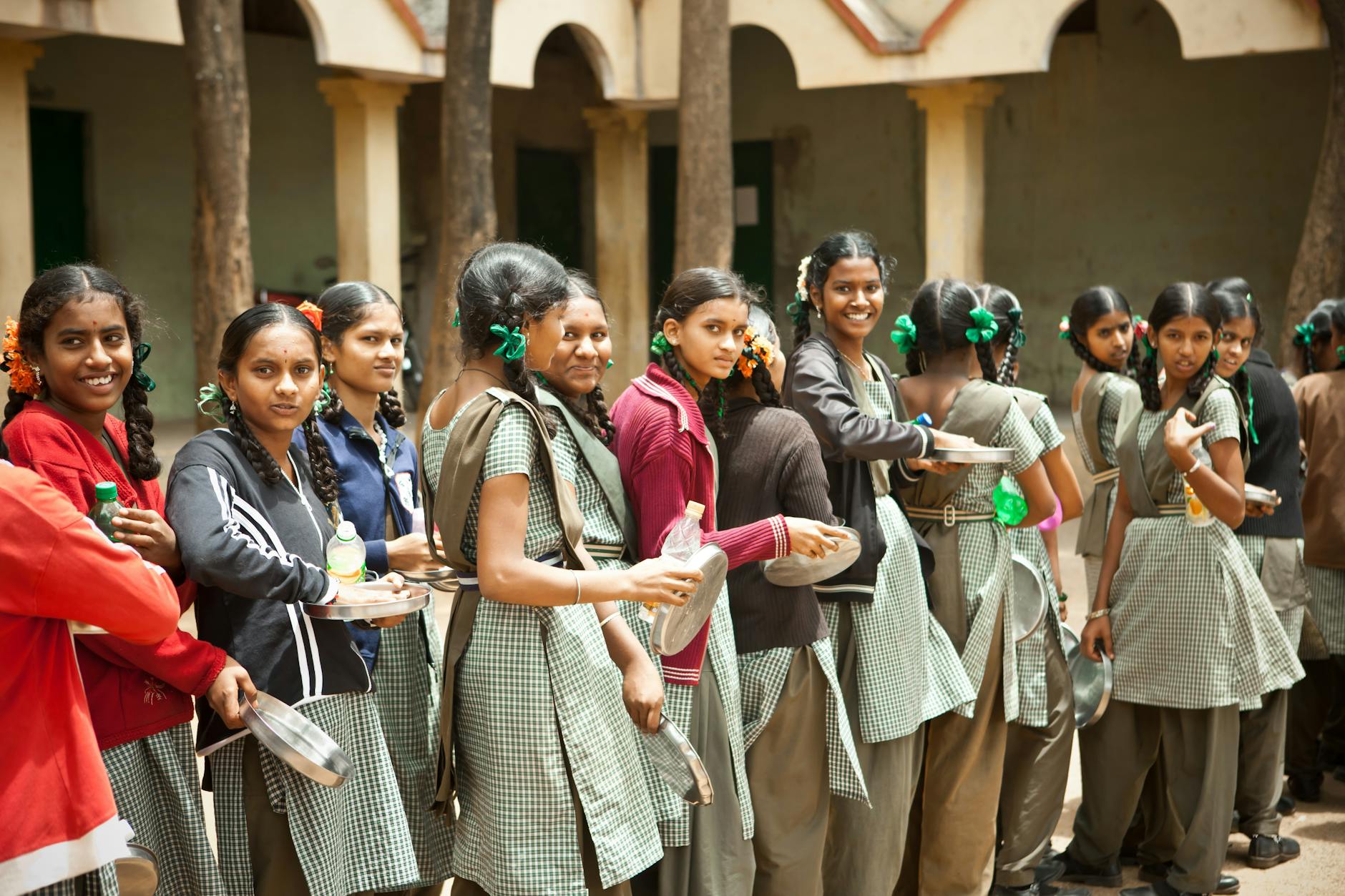
Initial feedback from students and parents has been largely positive. Many parents in rural districts welcomed the inclusion of regional languages, saying it made learning more accessible for first-generation learners. Data from the Basic Education Department shows a 7% increase in attendance in the first week of the rollout.
Education experts note that learning in one’s mother tongue enhances comprehension and retention, especially in early grades. A 2025 study by the Azim Premji Foundation found that students taught in their home language scored 12% higher in foundational literacy assessments.
Analysis: National and Regional Implications
Uttar Pradesh’s initiative is being closely watched by other states. Karnataka and Maharashtra have announced plans to expand their own multilingual programs, citing UP’s model as a reference. The Ministry of Education has praised the state’s efforts, calling it a "template for inclusive education" (Press Information Bureau, July 2026).
However, some educationists caution that sustained investment in teacher training and resource development is critical for long-term success. They warn that disparities in infrastructure and digital access could widen the urban-rural divide if not addressed.
What’s Next for NEP Implementation?
The Uttar Pradesh government plans to extend the multilingual curriculum to secondary schools by 2027. Pilot programs for skill-based and vocational education are also underway in select districts. The state is seeking additional funding from the central government to scale up digital infrastructure and teacher recruitment.
Nationally, the Ministry of Education has announced a review of NEP implementation progress later this year. States are expected to submit detailed reports on curriculum changes, learning outcomes, and challenges faced during the rollout.
Sources
Information in this article is sourced from the Ministry of Education, The Hindu, Pratham, Press Information Bureau, and Azim Premji Foundation.Sources: Information sourced from the Ministry of Education, The Hindu, Pratham, Press Information Bureau, and Azim Premji Foundation reports.