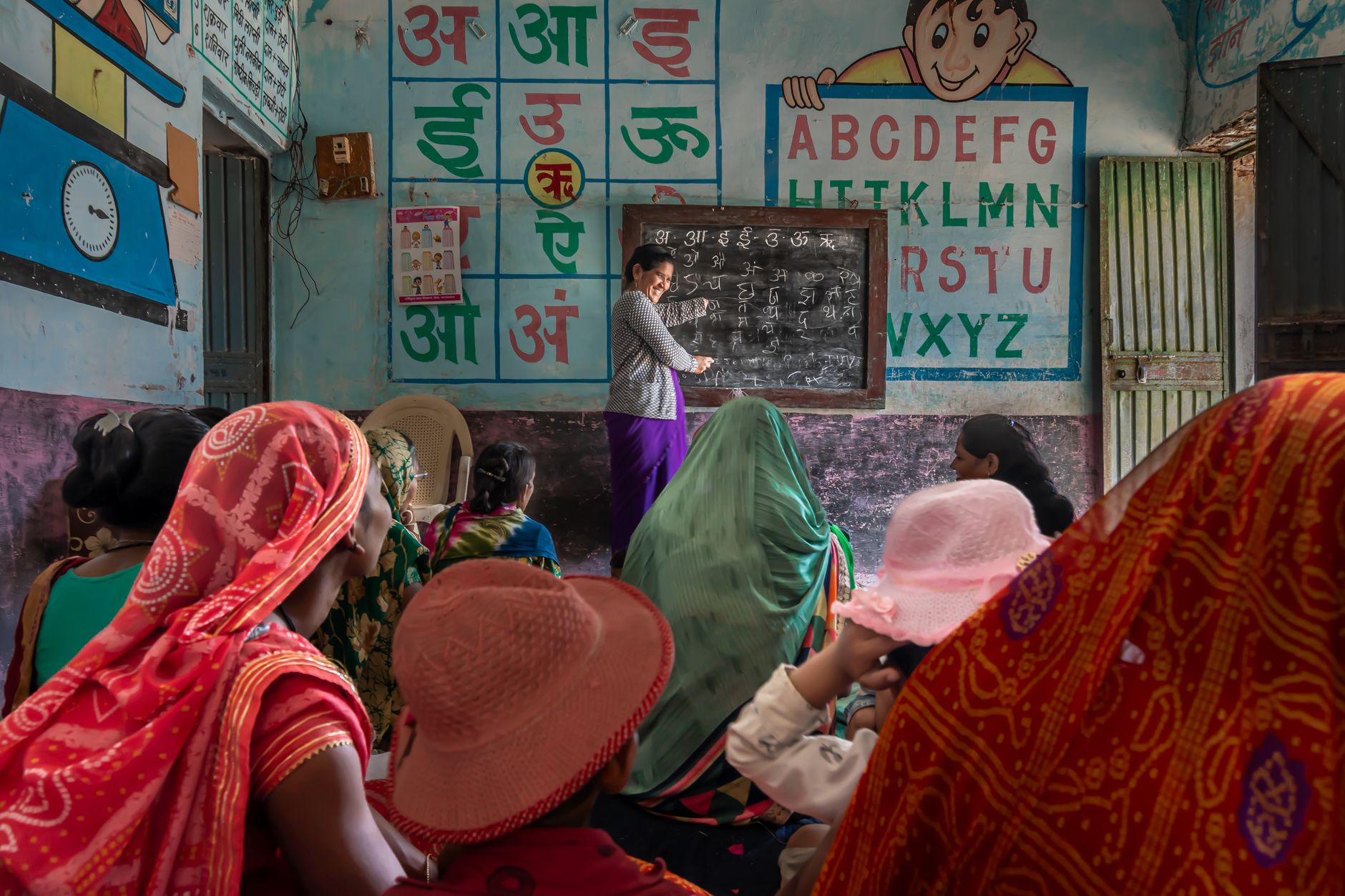
Maharashtra leads India’s NEP rollout by introducing a multilingual curriculum in public schools, aiming for holistic education and inclusivity. The initiative marks a significant step in NEP 2020 implementation.
Mumbai, July 8, 2026 — Maharashtra’s Department of School Education launched a pioneering multilingual curriculum across 5,000 public schools this week, marking a major milestone in the state’s implementation of India’s National Education Policy (NEP) 2020. The rollout, announced Monday, seeks to foster inclusivity and holistic learning, aligning with NEP’s vision for a flexible, student-centric education system.
Background: NEP 2020 and Its Multilingual Mandate
The National Education Policy 2020, approved by the Union Cabinet in July 2020, introduced sweeping reforms to India’s education sector. A key highlight is the emphasis on mother tongue or regional language as the medium of instruction until at least Grade 5, with flexibility for up to Grade 8. This aims to improve comprehension and learning outcomes, according to the Ministry of Education.
Maharashtra, home to over 22 million school-aged children, has been at the forefront of NEP adoption. The state government began piloting multilingual classrooms in select districts last year. Following positive feedback, the program has now expanded statewide, impacting nearly 1.2 million students in its first phase, as reported by The Times of India.
Key Features of the New Curriculum
The new curriculum offers instruction in Marathi, Hindi, and English, with students able to choose their preferred medium. Tribal and minority languages such as Konkani and Urdu are also being integrated in select regions, according to officials from the Maharashtra State Council of Educational Research and Training (MSCERT).Digital resources and teacher training modules have been developed in all supported languages. The curriculum emphasizes foundational literacy, numeracy, and experiential learning, in line with NEP guidelines. The state has also partnered with Tata Trusts and Azim Premji University for curriculum development and teacher upskilling.

Teacher Training and Capacity Building
Over 40,000 teachers underwent intensive training in multilingual pedagogy over the past six months, according to Maharashtra’s Education Minister, Deepak Kesarkar. The training included workshops, online modules, and peer learning sessions. Teachers were equipped with new textbooks and digital tools to facilitate the transition.The government allocated ₹120 crore for teacher training and resource development in the current fiscal year. According to MSCERT, the training focused on interactive teaching methods, cultural sensitivity, and assessment strategies tailored to a multilingual classroom.
Student and Parent Response
Early feedback from students and parents has been largely positive. According to a survey conducted by the Maharashtra Education Society, 78% of parents reported improved engagement and comprehension among their children. Students in tribal districts expressed appreciation for the inclusion of their native languages, as reported by The Indian Express.However, some concerns remain regarding the readiness of schools in remote areas. Infrastructure gaps, such as lack of digital devices and insufficient teaching staff for minority languages, persist in certain districts. The state government has pledged to address these issues in the next phase.
Policy Analysis: NEP’s Impact in Maharashtra
Education experts have lauded Maharashtra’s approach as a model for other states. Dr. Anjali Deshmukh, an education policy analyst at Tata Institute of Social Sciences, noted that the multilingual curriculum aligns with global best practices for inclusive education. She emphasized that early learning in the mother tongue leads to better cognitive development, as supported by UNESCO studies.The policy also aims to reduce dropout rates and bridge learning gaps exacerbated by the COVID-19 pandemic. According to the Annual Status of Education Report (ASER) 2025, Maharashtra saw a 6% improvement in Grade 3 literacy rates in pilot districts where the multilingual curriculum was introduced last year.
Challenges and Road Ahead
Despite progress, challenges remain. Recruiting qualified teachers for tribal and minority languages is a major hurdle. Infrastructure upgrades, especially in rural and hilly regions, are ongoing. The state government is working with NGOs and private partners to deploy mobile learning labs and community volunteers.Another challenge is ensuring uniform quality across districts. The Maharashtra State Board has set up a monitoring cell to track implementation and learning outcomes. Regular assessments and feedback loops will inform further curriculum refinement.
National Implications: A Model for Other States?
Maharashtra’s rollout is being closely watched by other states. The Ministry of Education has urged states to share best practices and collaborate on resource development. Karnataka and Odisha have announced plans to pilot similar multilingual curricula in the coming academic year, according to The Hindu.Central government officials have praised Maharashtra’s transparent implementation and data-driven approach. Union Education Minister Dharmendra Pradhan stated that Maharashtra’s experience will inform future NEP guidelines and funding allocations.
What’s Next for NEP Implementation in Maharashtra?
The state plans to expand the multilingual curriculum to all 65,000 government schools by 2028. Upcoming phases will focus on secondary education, vocational training, and digital learning integration. The government has also announced scholarships for students excelling in regional and tribal languages.A mid-term review is scheduled for December 2026 to assess progress and address challenges. The review will involve independent education experts, NGOs, and parent representatives. The findings will guide further policy adjustments and scaling strategies.
Conclusion
Maharashtra’s multilingual curriculum marks a significant step in NEP 2020 implementation. The initiative is expected to improve learning outcomes, promote inclusivity, and serve as a blueprint for other states. Continued investment and monitoring will be crucial for sustained success.Sources
Key information for this article was sourced from The Times of India, The Indian Express, The Hindu, UNESCO, MSCERT, and the Ministry of Education.Sources: Information sourced from The Times of India, The Indian Express, The Hindu, UNESCO, MSCERT, and the Ministry of Education.