
OpenAI's release of GPT-5 marks a major milestone in AI, introducing advanced multimodal capabilities, improved reasoning, and real-world applications, reshaping the landscape of artificial intelligence.
OpenAI has launched GPT-5, its most advanced AI model to date, on July 10, 2026, promising unprecedented multimodal abilities and human-like reasoning, according to a company press release and coverage by The Verge.
The new model, GPT-5, builds on the success of its predecessor GPT-4, which set benchmarks in natural language processing and image understanding. GPT-5 introduces enhanced capabilities in processing text, images, audio, and even video, making it a truly multimodal AI.

OpenAI CEO Sam Altman stated that GPT-5 is designed to bridge the gap between artificial and human intelligence, with a focus on advanced reasoning, contextual understanding, and safer outputs. The company claims that GPT-5 can now handle complex instructions, multi-step reasoning, and nuanced conversations far better than previous models.
Background: The Evolution of Generative AI
Since the launch of GPT-3 in 2020, OpenAI has led the generative AI revolution. Each iteration has brought significant improvements in language understanding, creativity, and adaptability. GPT-4, released in 2024, introduced multimodal processing and set new standards for AI safety and reliability, according to Wired.
The demand for more capable AI systems has surged across industries, from healthcare to finance, education to entertainment. According to IDC, global spending on AI systems is projected to reach $500 billion by 2027, with generative models like GPT-5 driving much of this growth.
Key Features of GPT-5
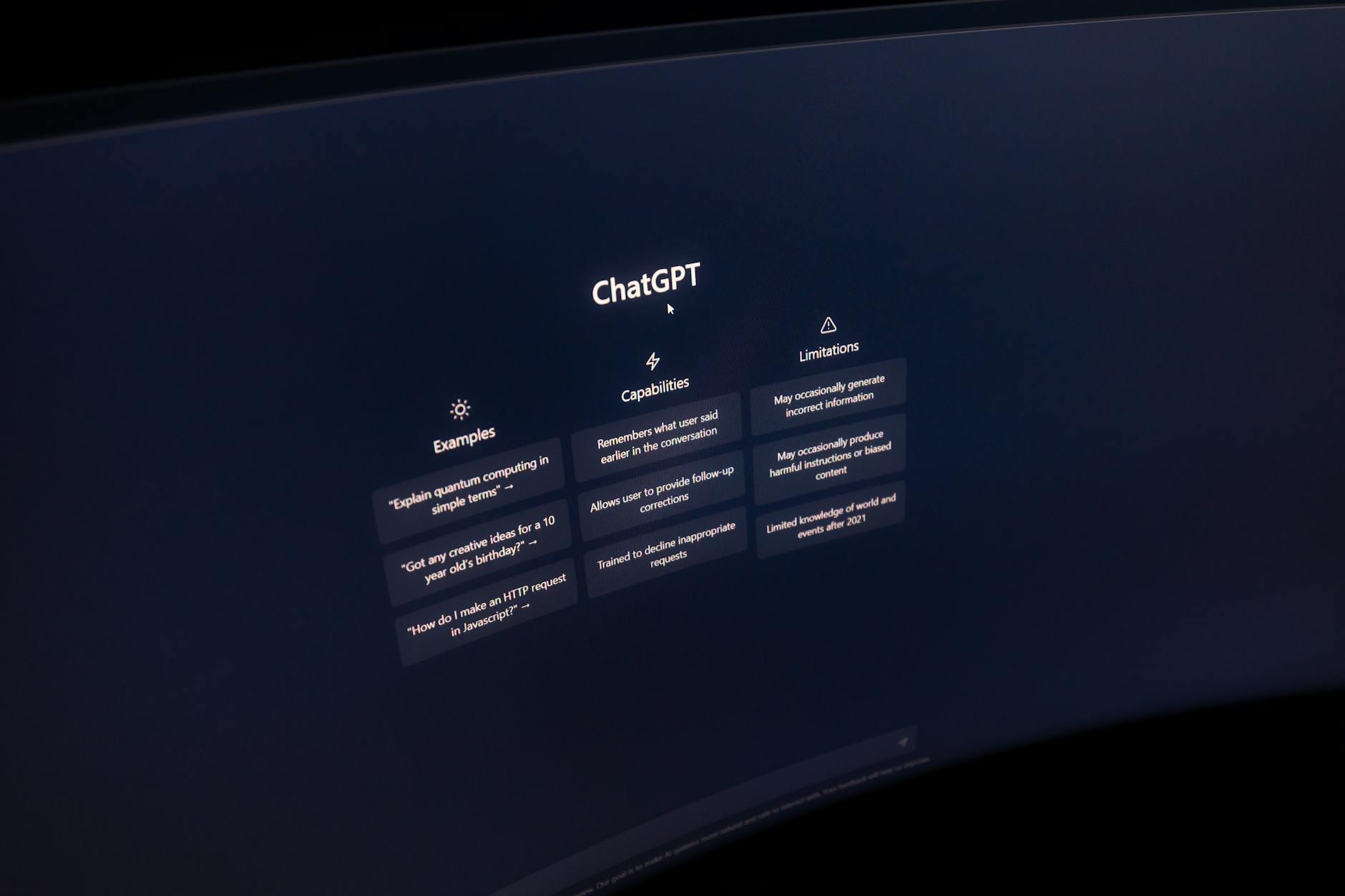
GPT-5's standout feature is its ability to process and generate content across multiple modalities. Users can input a combination of text, images, audio clips, and even short video segments. The model can then analyze, summarize, and respond with contextually appropriate outputs, as demonstrated in OpenAI's live demo.
Another major upgrade is the model's reasoning abilities. GPT-5 can perform multi-step logical deductions, solve complex mathematical problems, and maintain coherent, context-rich dialogues over extended interactions. According to OpenAI's technical report, the model scored above 90% on the MMLU (Massive Multitask Language Understanding) benchmark, outperforming all previous AI models.
Safer and More Reliable Outputs
OpenAI has implemented new safety mechanisms in GPT-5, including advanced content filtering, real-time fact-checking, and bias mitigation strategies. The model has undergone extensive red-teaming with external experts to identify and address potential risks, as reported by TechCrunch.
These safety improvements are critical as AI becomes more integrated into sensitive domains. The company claims that GPT-5 is significantly less likely to generate harmful or misleading content compared to earlier versions, a claim supported by preliminary findings from the Partnership on AI.
Real-World Applications and Industry Impact
Major tech companies and startups have already begun integrating GPT-5 into their products. Microsoft, a key OpenAI partner, announced that GPT-5 will power new features in Office 365, Azure AI, and Copilot, enabling smarter document creation, real-time translation, and advanced data analysis.

In healthcare, GPT-5 is being piloted for medical imaging analysis, patient triage, and personalized treatment recommendations. According to The Lancet Digital Health, early trials show promise in reducing diagnostic errors and improving patient outcomes.

Education platforms are leveraging GPT-5's multimodal capabilities to create interactive learning experiences. EdTech leader Khan Academy reported a 30% increase in student engagement during beta tests with the new model, citing more adaptive and intuitive tutoring sessions.
Challenges and Ethical Considerations
Despite its advancements, GPT-5 raises concerns about deepfakes, misinformation, and job displacement. AI ethicists from Stanford University urge robust oversight and transparent usage policies to mitigate these risks, as highlighted in a recent Nature commentary.
OpenAI has pledged to collaborate with regulators, civil society, and industry partners to ensure responsible deployment. The company has also released a transparency report detailing GPT-5's training data, limitations, and ongoing risk assessments.
What’s Next for AI Development?
The release of GPT-5 sets a new benchmark for AI capabilities, but the field continues to evolve rapidly. OpenAI is already researching next-generation models with even broader world knowledge and improved real-time learning.
Industry analysts predict that the next wave of AI breakthroughs will focus on personalization, emotional intelligence, and real-world reasoning. As AI systems become more autonomous, the need for robust governance and ethical frameworks will only intensify.
Sources
- OpenAI Press Release
- The Verge
- Wired
- IDC
- TechCrunch
- The Lancet Digital Health
- Khan Academy
- Nature
- Partnership on AI
Sources: Information sourced from OpenAI, The Verge, Wired, TechCrunch, The Lancet Digital Health, and other leading industry reports.