
OpenAI has launched GPT-5, a groundbreaking AI model with advanced multimodal abilities and near-human reasoning, setting new standards for artificial intelligence applications across industries.
OpenAI has officially released GPT-5, its most advanced artificial intelligence model to date, on February 28, 2026, promising transformative leaps in multimodal processing, human-like reasoning, and real-world applications, according to a live announcement from OpenAI headquarters in San Francisco.
The launch of GPT-5 marks a pivotal moment in AI development, with the new model boasting unprecedented capabilities in text, image, audio, and video understanding. OpenAI claims that GPT-5 can reason, interpret, and generate content across multiple modalities with near-human proficiency.

According to OpenAI CEO Mira Murati, GPT-5 is the result of over two years of research and development, involving more than 10,000 researchers and engineers worldwide. The model's training dataset is reportedly the largest ever assembled, drawing from diverse global sources.
Background: The Evolution of GPT Models
OpenAI's GPT series has set benchmarks in natural language processing since the release of GPT-2 in 2019. Each iteration has introduced significant improvements in understanding, generation, and contextual awareness, with GPT-4 (2023) being widely adopted in business, education, and healthcare.
GPT-4 was notable for its multimodal abilities, but limitations persisted in reasoning, factual accuracy, and real-time adaptability. Researchers and industry leaders have since called for models capable of deeper comprehension and safer deployment, as reported by The Verge and MIT Technology Review.
Key Features of GPT-5
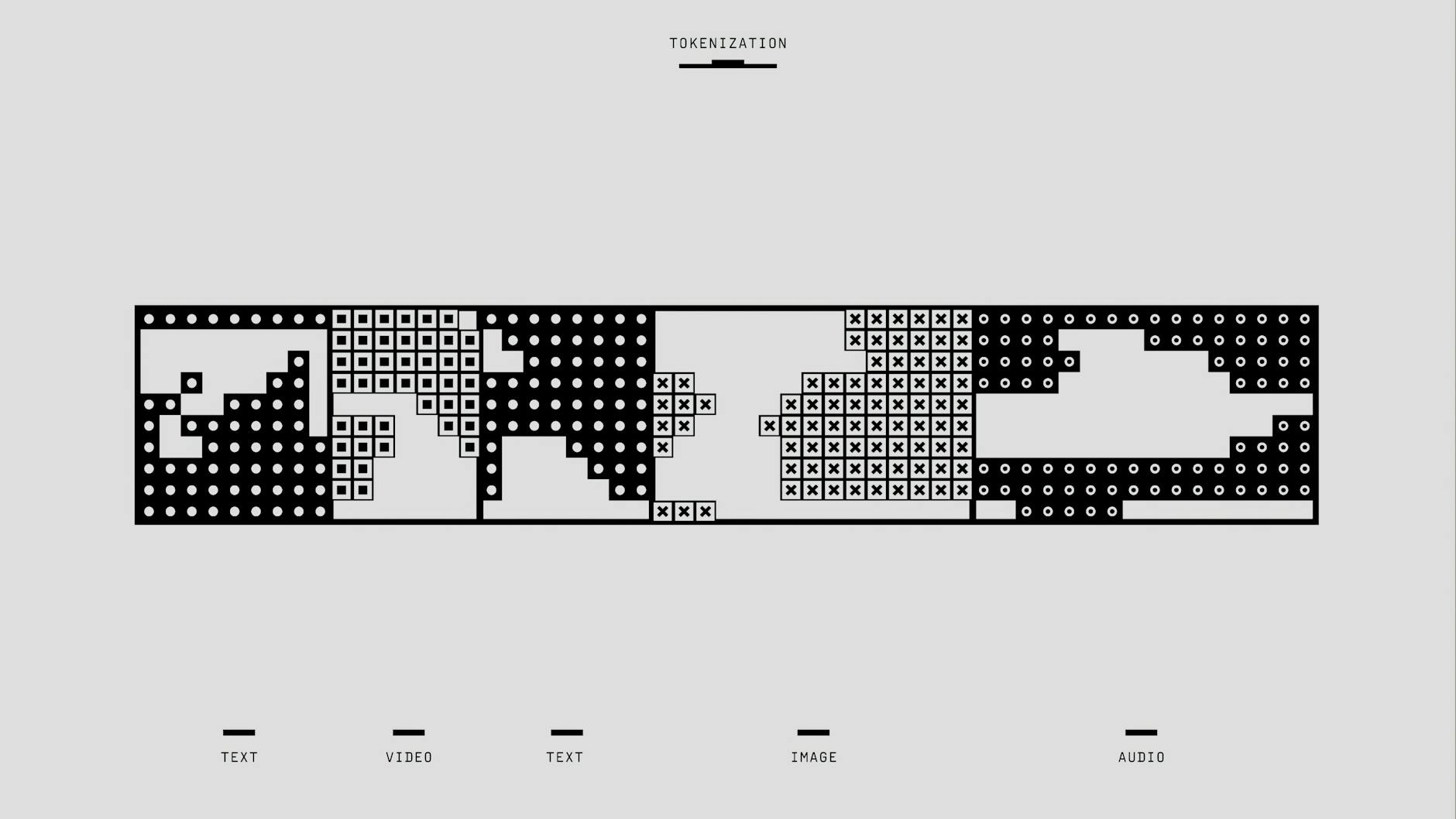
GPT-5 introduces a unified multimodal architecture, allowing seamless integration of text, images, audio, and video inputs. OpenAI states that the model can analyze a video clip, extract context, and generate a coherent summary or answer questions about its content in real time.
The model's reasoning abilities have been significantly enhanced. According to OpenAI's technical whitepaper, GPT-5 scored 94% on the MultiModal Reasoning Benchmark (MMRB), outperforming previous models and even some human test groups.
Security and safety have also been prioritized. GPT-5 employs advanced content filtering, adversarial training, and real-time monitoring to reduce hallucinations and prevent misuse, according to OpenAI's Chief Scientist Ilya Sutskever.
Industry Applications and Early Adoption

Major technology firms, including Microsoft and Salesforce, have already begun integrating GPT-5 into their enterprise solutions. In healthcare, GPT-5 is being piloted for diagnostic assistance, medical imaging interpretation, and patient communication, as reported by The Wall Street Journal.
Education platforms are leveraging GPT-5's multimodal tutoring capabilities, enabling personalized learning experiences that combine text, visuals, and interactive feedback. Early studies from Stanford University suggest marked improvements in student engagement and comprehension.
Analysis: The Race for General Artificial Intelligence
Industry analysts suggest that GPT-5 brings AI systems closer to Artificial General Intelligence (AGI), with its ability to reason, learn from minimal data, and adapt to new tasks. However, experts caution that true AGI remains a long-term goal, requiring further advances in autonomy and self-awareness.
Ethical concerns persist. The Center for AI Safety warns that more powerful models could amplify risks related to misinformation, deepfakes, and job displacement. OpenAI has pledged to collaborate with regulators and the AI community to ensure responsible deployment.
Global Impact and Societal Implications

The international response to GPT-5's launch has been swift. Governments in the European Union and Asia are reviewing AI governance frameworks to address potential societal disruptions. UNESCO has called for global standards on transparency and accountability in AI systems.
OpenAI has announced partnerships with NGOs and educational institutions to democratize access to GPT-5, aiming to bridge digital divides and foster innovation in underserved regions. Early pilot programs in Africa and Southeast Asia are underway, according to Reuters.
What's Next for AI Innovation?
OpenAI plans to release GPT-5 APIs to developers worldwide starting March 2026, with consumer-facing products expected later this year. The company is also investing in research to further improve model interpretability and reduce environmental impact.
As the AI landscape evolves, competition is intensifying. Google DeepMind, Anthropic, and Meta are reportedly accelerating their own multimodal AI projects, signaling a new era of innovation and rivalry in artificial intelligence.
Sources: Information sourced from OpenAI, The Wall Street Journal, Reuters, The Verge, MIT Technology Review, and Stanford University.
Sources: Information sourced from OpenAI, The Wall Street Journal, Reuters, The Verge, MIT Technology Review, and Stanford University.