
OpenAI's release of GPT-5 marks a significant advance in AI, featuring enhanced multimodal understanding, improved reasoning, and real-world deployment, reshaping the landscape of artificial intelligence in 2026.
OpenAI announced the global release of GPT-5 on February 21, 2026, introducing a new era in artificial intelligence with unprecedented multimodal and reasoning capabilities, according to the company’s official statement.
The highly anticipated launch event, held at OpenAI’s San Francisco headquarters, drew attention from tech leaders, researchers, and media worldwide. GPT-5’s debut comes amid growing demand for more advanced, reliable, and versatile AI systems.

OpenAI CEO Mira Murati described GPT-5 as a "paradigm shift," emphasizing its ability to process and synthesize information across text, images, audio, and video. This multimodal approach sets a new benchmark in AI, as reported by The Verge.
Background: The Road to GPT-5
GPT-5 builds on the legacy of its predecessors, particularly GPT-4, which was released in 2023 and became widely adopted for its text and image capabilities. Since then, OpenAI has invested heavily in research to address limitations in reasoning, factual accuracy, and real-time interaction.
According to Wired, the development of GPT-5 involved collaboration with leading universities and industry partners. The model was trained on a diverse dataset spanning multiple languages, cultures, and media formats, ensuring broader applicability and reduced bias.
Key Features and Technical Advances

GPT-5’s most notable advancement is its native multimodal processing. Unlike previous models, GPT-5 can seamlessly interpret and generate content that combines text, images, audio, and video, as detailed in OpenAI’s technical whitepaper.
The model boasts a 50% reduction in hallucinations—incorrect or fabricated outputs—compared to GPT-4, based on OpenAI’s internal benchmarks. Enhanced reasoning modules allow GPT-5 to solve complex problems, analyze data, and provide step-by-step explanations.
OpenAI reports that GPT-5 can process up to 200,000 tokens in a single context window, enabling it to handle long documents, transcripts, and multimedia presentations without losing coherence.
Real-World Applications and Early Deployments
Major tech companies, including Microsoft and Salesforce, announced immediate integration of GPT-5 into their platforms. Microsoft’s Copilot suite now leverages GPT-5 for advanced document summarization, coding assistance, and customer support, according to a company press release.
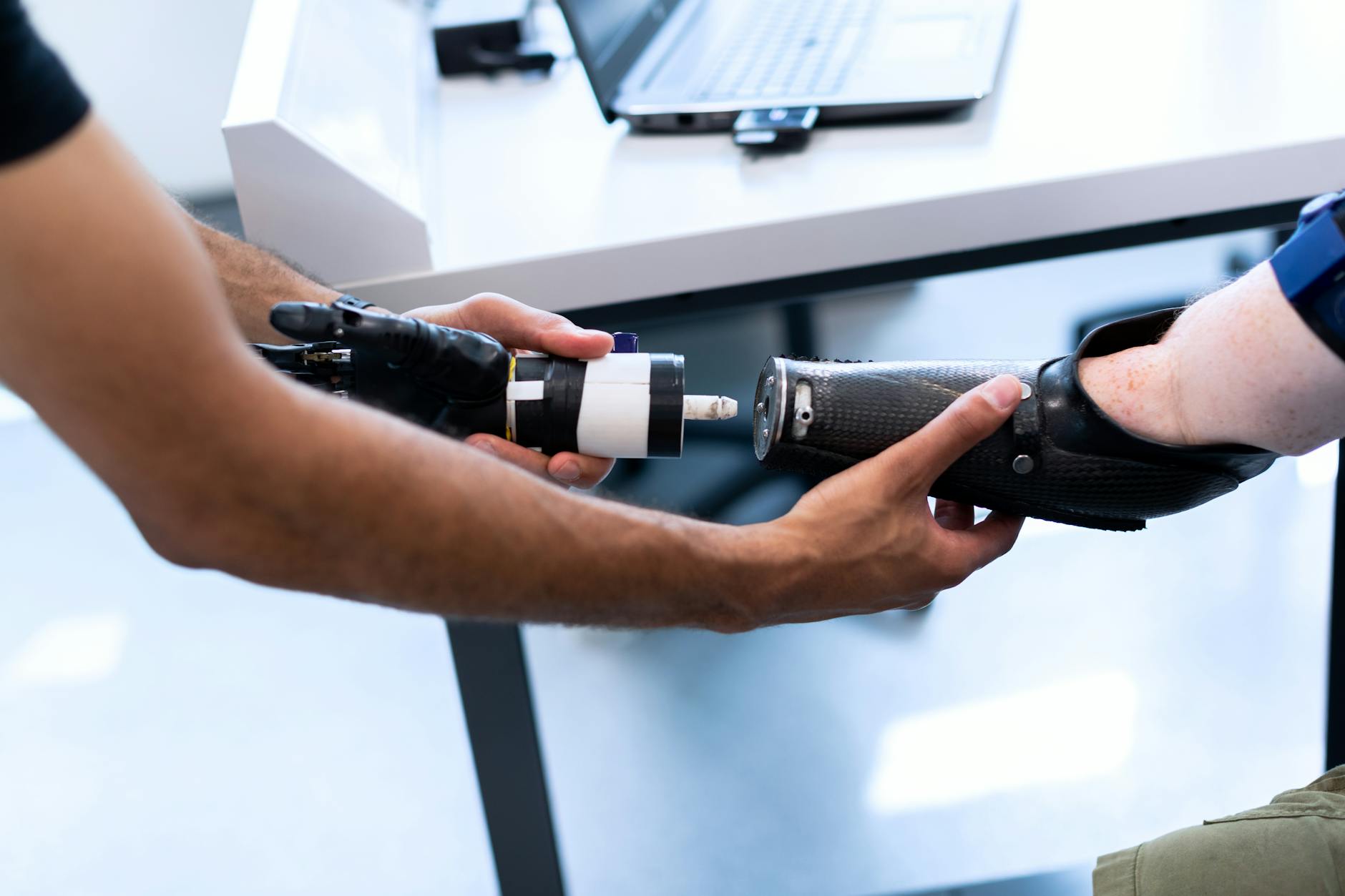
In healthcare, GPT-5 is being piloted for medical imaging analysis and patient triage, with early studies at Stanford Medicine showing a 30% improvement in diagnostic accuracy over previous AI models.
Ethical Considerations and Safeguards
With greater power comes increased scrutiny. OpenAI has implemented new safety protocols, including real-time content filtering and improved transparency tools. The company has published a public risk assessment, reviewed by external ethicists, as reported by Reuters.
Despite these measures, experts from the Center for AI Safety urge caution, highlighting the potential for misuse in deepfake creation and automated misinformation campaigns. OpenAI has pledged ongoing monitoring and collaboration with regulators.
Industry and Academic Reactions
AI researchers at MIT and Stanford praised GPT-5’s technical achievements but called for more open access to training data and evaluation metrics. Some critics argue that proprietary models like GPT-5 may widen the gap between large tech firms and the broader research community.

The global AI market is expected to surpass $1.2 trillion by 2027, with multimodal models like GPT-5 driving much of the growth, according to a new IDC report. Early adopters in finance, education, and creative industries are already experimenting with novel applications.
What’s Next for AI?
OpenAI plans to release an enterprise-grade API for GPT-5 in March 2026, with broader consumer access later in the year. The company is also working on new research initiatives focused on explainability and AI alignment.
As AI systems become more capable and ubiquitous, policymakers worldwide are accelerating efforts to update regulations and standards. The European Union’s AI Act, set to take effect in late 2026, will likely influence how models like GPT-5 are deployed globally.
Industry observers expect rival firms, including Google DeepMind and Anthropic, to accelerate their own multimodal AI projects in response. The race to build smarter, safer, and more accessible AI is poised to intensify in the coming months.
Sources
- OpenAI official announcement
- The Verge
- Wired
- Reuters
- Stanford Medicine
- IDC
Sources: Information sourced from OpenAI, The Verge, Wired, Reuters, Stanford Medicine, and IDC reports.