
The 2026 Oscar nominations have ignited heated debate, with streaming platforms dominating major categories and traditional studios raising concerns over eligibility, fairness, and industry impact.
Los Angeles, April 10, 2026 — The announcement of the 98th Academy Awards nominations this week has set Hollywood abuzz, as streaming platforms captured a record number of nods in top categories, igniting fierce debate over the future of film and the fairness of Oscar eligibility rules.
Streaming giants Netflix, Amazon Prime Video, and Apple TV+ collectively received 34 nominations across major categories, according to Variety. This marks the highest share for non-traditional studios in Oscar history, surpassing last year’s tally by 12%.

Traditional studios, including Warner Bros. and Universal Pictures, have voiced concerns over what they call a "tilted playing field," arguing that streaming releases benefit from broader accessibility and looser theatrical requirements, as reported by The Hollywood Reporter.
Background: The Evolving Oscar Landscape
The Academy of Motion Picture Arts and Sciences updated its eligibility rules in 2022, allowing films released on streaming platforms to compete, provided they meet limited theatrical run criteria. This change, initially prompted by the COVID-19 pandemic, has remained in place, reflecting shifting industry norms.
Since then, streaming services have invested heavily in original content and Oscar campaigns. According to Deadline, Netflix alone spent over $100 million on awards marketing in 2025, leading to a surge in high-profile releases and critical acclaim.
Key Details: 2026 Nominations and Surprises
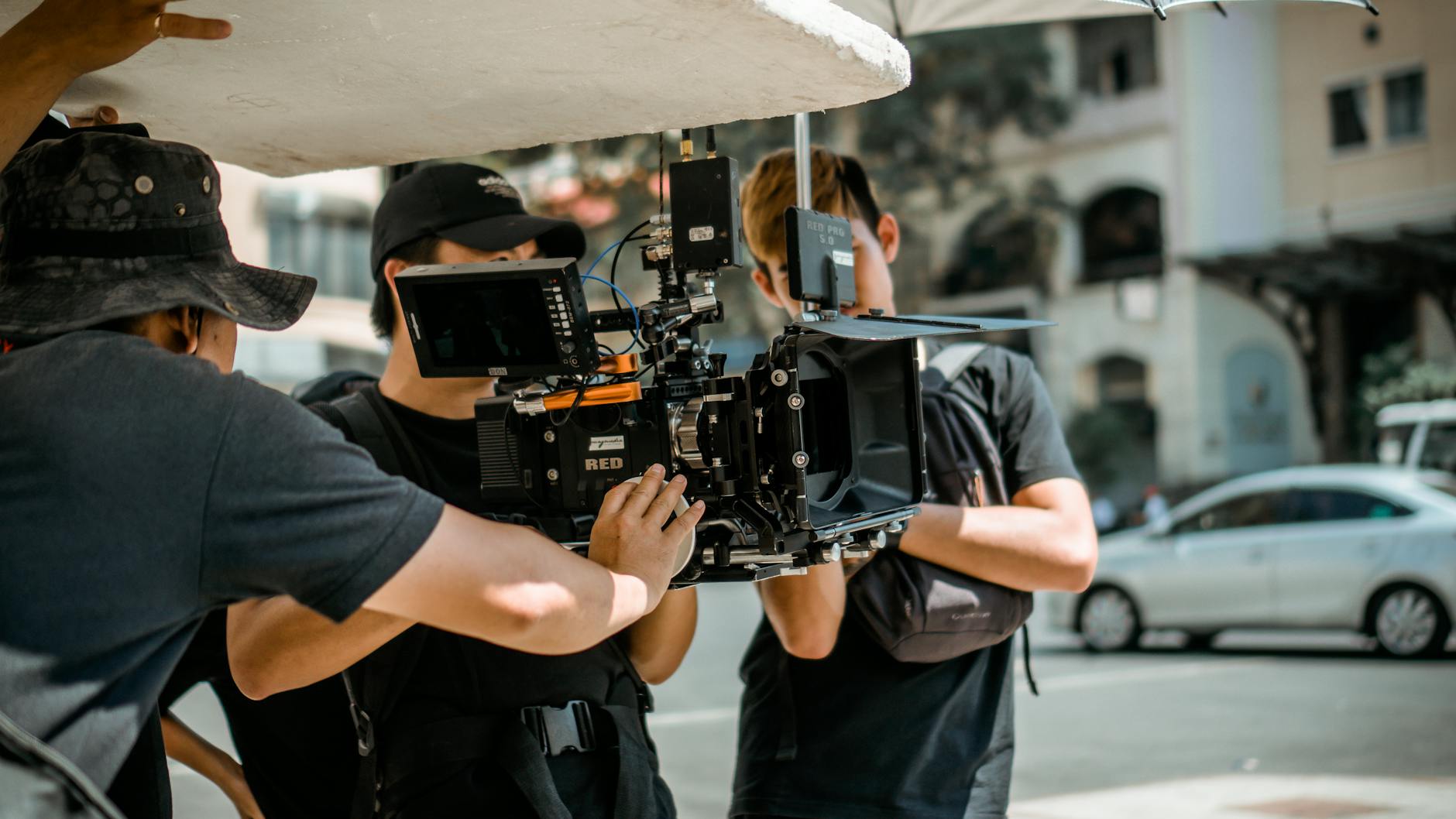
Among this year’s most talked-about nominees is "The Last Symphony," a Netflix original drama that secured 11 nominations, including Best Picture, Best Director, and all four acting categories. Amazon’s "Tomorrow’s Promise" and Apple’s "Echoes of Silence" also received multiple major nods.
Notably absent from the Best Picture category were several critically acclaimed theatrical releases, such as Warner Bros.’ "Midnight Sun" and Paramount’s "The Forgotten Road," sparking accusations of bias toward streaming content.
The Academy’s President, Janet Yang, addressed the controversy in a press conference, stating, "Our mission is to honor excellence in filmmaking, regardless of distribution platform. The rules are clear and applied equally to all entrants."
Industry Reaction and Backlash
Several studio executives have called for a review of Oscar eligibility, with Universal’s Donna Langley telling The New York Times, "We need to ensure the Oscars don’t become a streaming-only affair. The theatrical experience is vital to cinema’s identity."
Filmmakers and actors are divided. Some, like director Ava DuVernay, praised the inclusivity of streaming, noting that "diverse voices and stories now have a global platform." Others, including actor George Clooney, argued that "the magic of cinema is rooted in the shared experience of theaters."
Impact on the Film Industry

Box office analysts report a 15% decline in theatrical attendance for Oscar-nominated films compared to pre-pandemic levels, according to Box Office Mojo. This trend is attributed to the rise of streaming-first releases and shifting audience habits.
Industry insiders warn that if the Academy does not address perceived imbalances, traditional studios may reduce investment in theatrical releases, potentially reshaping the film landscape for years to come.
What’s Next: Calls for Reform
The Academy’s Board of Governors is scheduled to meet in May to discuss possible adjustments to eligibility rules. Proposals include extending minimum theatrical run requirements and mandating wider in-person releases for Best Picture contenders.
Meanwhile, streaming platforms continue to expand their influence, with Netflix announcing a slate of 20 new original films for 2027. Industry observers expect the debate over Oscars eligibility and the future of cinema to intensify in the coming months.
Sources: Variety, The Hollywood Reporter, Deadline, The New York Times, Box Office Mojo, Academy of Motion Picture Arts and Sciences.
Sources: Information sourced from Variety, The Hollywood Reporter, Deadline, The New York Times, Box Office Mojo, and official Academy statements.