

Streaming Platforms Face Scrutiny
For the third consecutive year, films released exclusively on streaming services like Netflix, Amazon Prime, and Apple TV+ are leading the nomination buzz. However, the Academy’s recent rule changes—requiring a minimum two-week theatrical run—have sparked backlash from both filmmakers and streaming giants, according to Deadline.
Diversity in the Spotlight
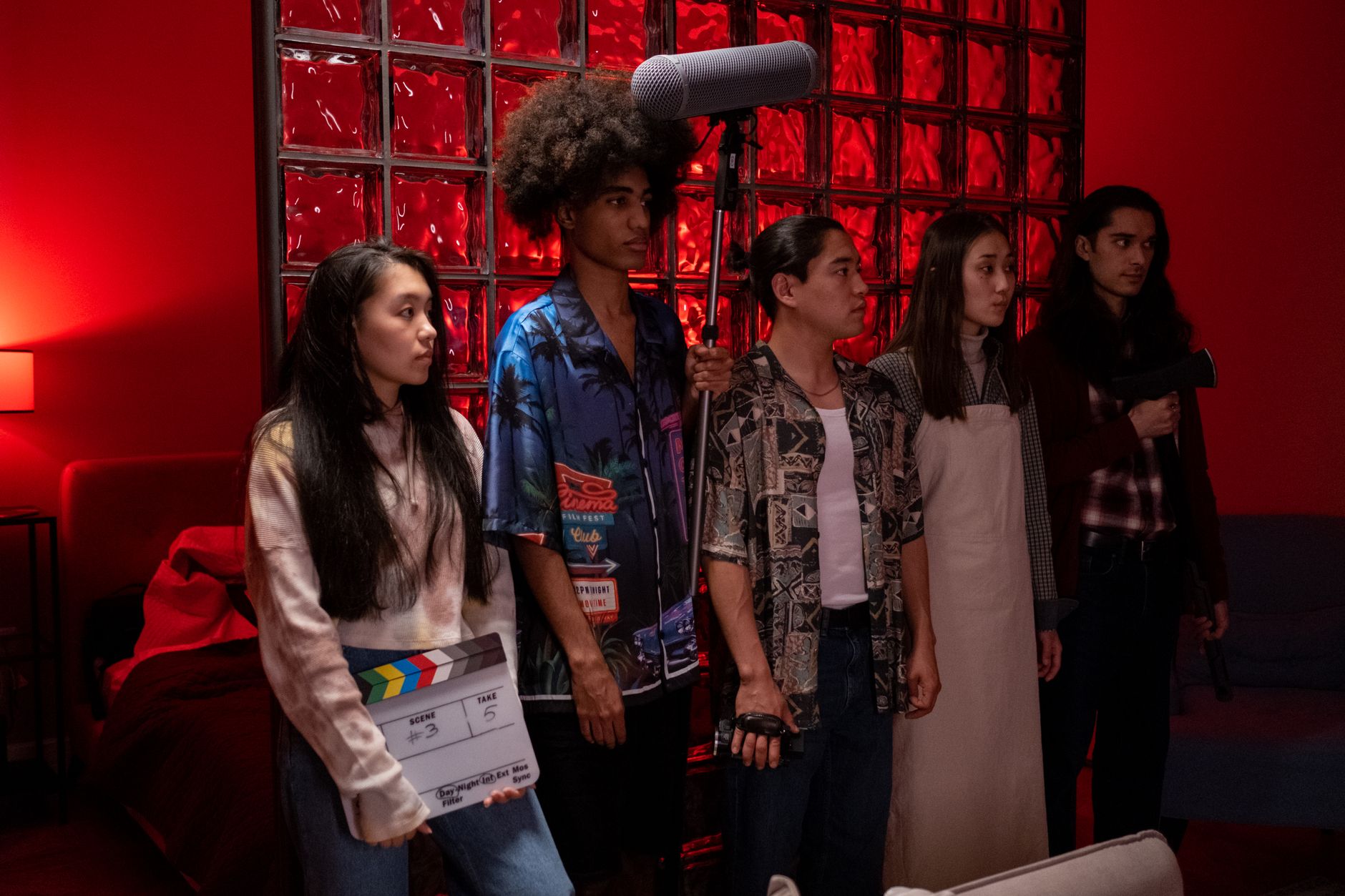
This year’s nominations are also under scrutiny for representation. Despite the Academy’s ongoing inclusion initiative, critics argue that the major categories still lack diversity. According to a Los Angeles Times analysis, only three of the 20 acting nominees are people of color, sparking renewed calls for reform.
Industry Reactions and Boycotts
Several filmmakers, including Jordan Peele and Bong Joon-ho, have criticized the Academy’s eligibility rules. In an open letter published by The New York Times, they argued that the new requirements disadvantage independent and international films, particularly those distributed online.
Predictions: Who Will Win Big?
Despite the controversies, awards pundits are making bold predictions. "The Last Symphony" leads with 12 nominations, including Best Picture, Best Director, and Best Original Score. Cate Blanchett is favored to win Best Actress for her role in "Silent Waters," while Michael B. Jordan is a frontrunner for Best Actor in "The Long Night," according to Gold Derby.

Streaming vs. Theaters: The Industry Divide
The ongoing debate over streaming versus theatrical releases reflects broader industry shifts. According to a report by PwC, streaming now accounts for 65% of U.S. film consumption, a dramatic increase from just 40% five years ago. Traditional studios are struggling to adapt, while streaming platforms invest heavily in original content and awards campaigns.
Global Perspectives and International Films
International films face unique challenges this year. The South Korean drama "Winter’s Promise" and the French film "Lumière Noire" are both nominated for Best International Feature, but their limited U.S. theatrical runs nearly disqualified them. The Academy has promised to review its international eligibility guidelines after outcry from global filmmakers, as reported by BBC News.

Social Media Amplifies the Debate
Platforms like X and TikTok have amplified public criticism and support for various nominees. Viral campaigns, such as #JusticeForSymphony and #SupportIndieFilm, have mobilized fans and industry figures alike, shaping the narrative around this year’s awards season.
What’s Next for the Academy?
In response to mounting criticism, the Academy has scheduled a town hall meeting for August 2026 to solicit feedback from filmmakers, studios, and the public. According to Academy President Janet Yang, "We are listening and committed to evolving."
Sources
Information for this article was sourced from The Hollywood Reporter, Variety, Deadline, The New York Times, Los Angeles Times, BBC News, and PwC reports.
Sources: Information sourced from The Hollywood Reporter, Variety, Deadline, The New York Times, Los Angeles Times, BBC News, and PwC reports.