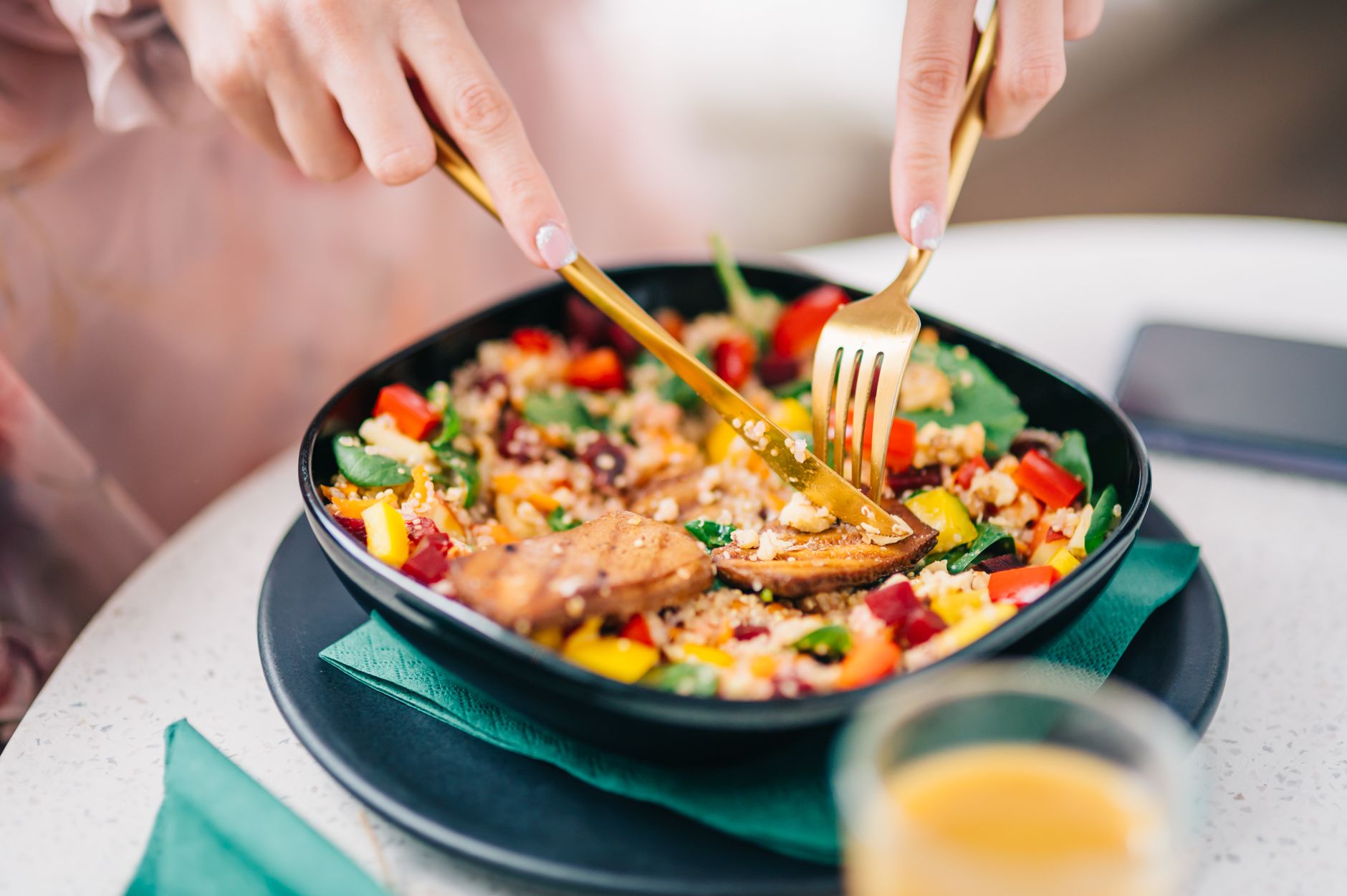
A record number of Americans are adopting plant-based diets in 2026, driven by health, environmental, and celebrity influence, reshaping grocery trends and restaurant offerings nationwide.
Americans are embracing plant-based diets in unprecedented numbers in 2026, with grocery sales and restaurant menus reflecting the surge, according to new data from Nielsen and The New York Times.
The movement toward plant-based eating has accelerated rapidly this year, with industry analysts noting a 23% increase in plant-based product sales in the first quarter alone. This trend is driven by a combination of health consciousness, environmental concerns, and celebrity endorsements.

According to a recent Nielsen report, nearly 38% of U.S. households have purchased plant-based alternatives in 2026, up from 29% in 2024. The shift is most pronounced among millennials and Gen Z, but older demographics are also participating.
Background: The Rise of Plant-Based Eating
Plant-based diets have been steadily gaining ground over the past decade, but 2026 marks a tipping point. The American Heart Association has long recommended diets rich in fruits, vegetables, and whole grains, but recent studies linking red meat consumption to chronic diseases have added urgency to the movement.
The COVID-19 pandemic initially spurred interest in immune-boosting foods, but the current surge is attributed to broader concerns. Environmental groups, such as the World Wildlife Fund, have highlighted the carbon footprint of meat production, influencing consumer choices.
Key Details: Grocery Stores and Restaurants Adapt

Major grocery chains like Kroger and Whole Foods report that plant-based meat and dairy alternatives now account for 15% of their total protein sales, according to The New York Times. New product launches, including oat-based cheeses and pea protein yogurts, have flooded shelves.
Fast-casual restaurant chains are also responding. Chipotle, for example, introduced three new plant-based menu items in March, and McDonald's expanded its McPlant burger to all U.S. locations in February, citing strong demand.
Celebrity Influence and Social Media
Celebrities have played a significant role in popularizing plant-based diets. In January, pop star Billie Eilish launched a viral TikTok challenge encouraging fans to try vegan meals for a week. The hashtag #PlantBasedChallenge has amassed over 500 million views, according to TikTok analytics.
Athletes such as Serena Williams and Lewis Hamilton have also publicly credited plant-based diets for improved performance, inspiring fans and followers to make similar changes.
Analysis: Health and Environmental Benefits
Medical experts point to a wealth of evidence supporting the benefits of plant-based eating. A 2025 Harvard study found that participants who replaced red meat with legumes and nuts reduced their risk of heart disease by 18%.

Environmental scientists note that widespread adoption of plant-based diets could reduce U.S. greenhouse gas emissions by up to 25%, according to a report by the Environmental Protection Agency published in March 2026.
Challenges and Criticisms
Despite the positive momentum, some nutritionists caution against processed plant-based foods, which can be high in sodium and additives. The American Dietetic Association recommends focusing on whole, minimally processed foods.
Farmers and meat industry representatives have expressed concerns about declining demand for animal products. The National Cattlemen’s Beef Association is lobbying for clearer labeling on plant-based alternatives, arguing that terms like 'meat' and 'milk' should be reserved for animal-derived products.
Impact: Changing American Lifestyles
The shift toward plant-based eating is reshaping American lifestyles. Meal kit companies like Blue Apron report that plant-based options now make up 40% of their sales, and school districts in New York and California have introduced weekly 'Plant-Powered Days.'
Food manufacturers are investing heavily in research and development. Impossible Foods announced a $500 million expansion plan in April to meet growing demand, while Beyond Meat reported its first profitable quarter since 2021.
What's Next: The Future of Healthy Eating
Analysts predict the plant-based trend will continue to grow. According to a Bloomberg Intelligence forecast, the global plant-based food market could reach $160 billion by 2030, up from $44 billion in 2022.
Policy makers are taking notice. The U.S. Department of Agriculture is reviewing its dietary guidelines to reflect new evidence on plant-based nutrition, and several states are considering tax incentives for plant-based food producers.
Sources
This article references data and reporting from Nielsen, The New York Times, Harvard University, the Environmental Protection Agency, Bloomberg Intelligence, and the American Heart Association.
Sources: Information sourced from Nielsen, The New York Times, Harvard University, and Environmental Protection Agency reports.