
A surge in plant-based diets is sweeping the globe in 2026, driven by health benefits and climate concerns, with new data showing record adoption rates and industry transformation.
Plant-based diets are experiencing unprecedented adoption worldwide in 2026, as new research and consumer trends reveal a major shift toward healthy, sustainable eating habits, according to recent reports by Reuters and The New York Times.
The movement toward plant-based eating has accelerated rapidly in the past year, with a record 18% of adults in the United States now identifying as primarily plant-based eaters, according to a June 2026 survey by the International Food Information Council (IFIC).

This surge is not limited to the U.S. In the United Kingdom, the British Nutrition Foundation reported a 25% increase in plant-based product sales compared to the same period last year. Similar trends are being observed in Australia, Germany, and parts of Asia, as reported by The Guardian.
Background: Why Plant-Based Now?
The roots of this trend trace back to growing awareness of the links between diet, chronic disease, and environmental sustainability. The World Health Organization (WHO) has repeatedly highlighted the benefits of diets rich in fruits, vegetables, legumes, and whole grains in reducing the risk of heart disease, diabetes, and certain cancers.
Climate change concerns have also played a pivotal role. A 2026 report from the United Nations Environment Programme (UNEP) found that shifting to plant-based diets could reduce food-related greenhouse gas emissions by up to 49%. This data has been widely cited in recent policy debates and public health campaigns.
Key Drivers: Health, Environment, and Innovation
Health remains the top motivator for most consumers. According to the IFIC survey, 62% of respondents cited improved well-being as their main reason for adopting plant-based habits. Many referenced lower cholesterol, better digestion, and weight management as benefits.
Environmental impact is a close second. The Guardian reports that over 40% of new plant-based adopters in Europe are motivated by concerns about deforestation, water use, and carbon emissions linked to animal agriculture.
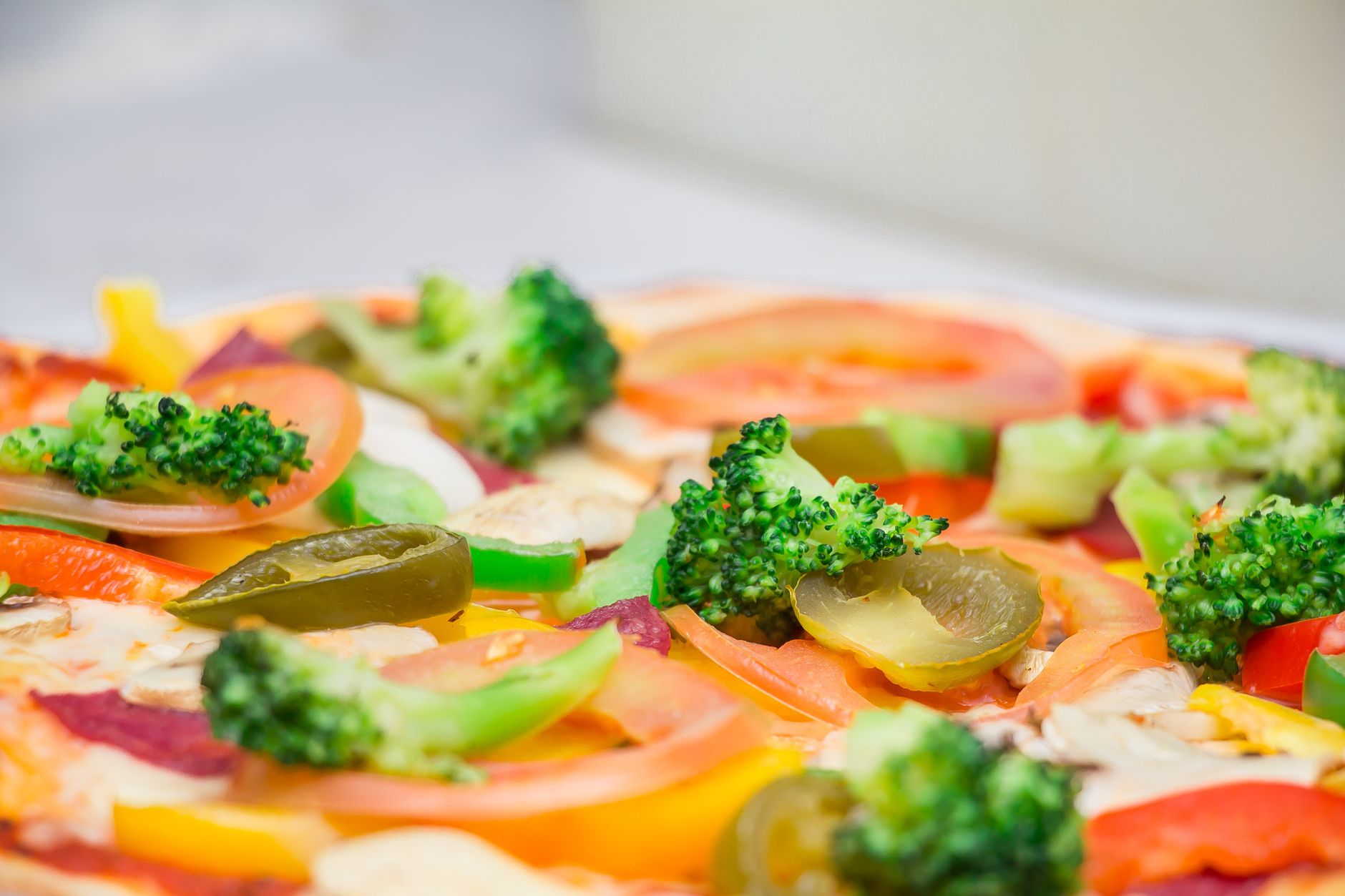
Food industry innovation is making plant-based eating more accessible. Major brands like Nestlé and Unilever have launched dozens of new plant-based products in 2026, while fast food chains such as McDonald's and KFC have expanded their vegan menus globally, as reported by Bloomberg.
Celebrity Influence and Social Media
High-profile endorsements have fueled the trend. Celebrities including tennis star Naomi Osaka and actor Chris Hemsworth have publicly shared their plant-based journeys on platforms like Instagram and TikTok, amassing millions of views and sparking viral challenges.
Social media has become a powerful tool for spreading recipes, tips, and success stories. The hashtag #PlantBased2026 has trended on Twitter and TikTok for months, with over 1.2 billion views on related content, according to SocialBlade analytics.
Challenges and Criticisms
Despite its popularity, the plant-based movement faces criticism. Nutritionists warn that not all plant-based products are inherently healthy, citing concerns over processed ingredients and high sodium levels in some meat alternatives (Harvard Health Publishing, May 2026).
Accessibility and affordability remain issues, especially in low-income communities. A 2026 report by Feeding America found that plant-based foods can be 30% more expensive than conventional options in some regions, posing a barrier to widespread adoption.
Impact on Food Industry and Agriculture

The shift is transforming the food industry. Plant-based food sales in the U.S. topped $12 billion in the first half of 2026, a 35% increase from 2025, according to NielsenIQ. Traditional meat and dairy producers are investing in alternative proteins to stay competitive.
Farmers are adapting as well. The USDA reports a 15% increase in acreage devoted to legumes and specialty grains in 2026, reflecting changing demand. Some livestock producers are transitioning to plant-based protein crops with government support.
Public Policy and Institutional Change
Governments are responding with new policies. The European Union announced subsidies for plant-based food production in March 2026, while cities like New York and Berlin have introduced plant-forward menus in public schools and hospitals.
The World Bank is funding pilot programs in Africa and Asia to promote plant-based nutrition as part of broader food security initiatives, according to a June 2026 press release.
What’s Next for Plant-Based Eating?
Experts predict continued growth. Market research firm Euromonitor projects the global plant-based food market will reach $95 billion by 2028, up from $54 billion in 2025. New technologies, such as precision fermentation and cell-based proteins, are expected to further expand options.
Public health advocates urge continued education to ensure plant-based diets are balanced and accessible. As the movement matures, focus is shifting to inclusivity, affordability, and the development of nutrient-rich, minimally processed options.
Sources: Reuters, The New York Times, The Guardian, International Food Information Council, WHO, UNEP, Bloomberg, Harvard Health Publishing, Feeding America, NielsenIQ, USDA, European Union, World Bank, Euromonitor.
Sources: Information sourced from Reuters, The New York Times, The Guardian, WHO, UNEP, and industry reports.