
A new study reveals a record shift toward plant-based diets in 2026, driven by health awareness, environmental concerns, and celebrity influence, reshaping food choices across the globe.
Plant-based diets are experiencing unprecedented growth in 2026, with millions worldwide embracing healthier eating habits amid rising health and sustainability concerns, according to a new report released this week by the World Health Organization (WHO).
The global shift toward plant-based eating has accelerated rapidly in recent months. The latest WHO Global Nutrition Report, published on March 28, 2026, highlights a 22% increase in plant-based food consumption compared to the previous year, marking the largest annual surge on record.
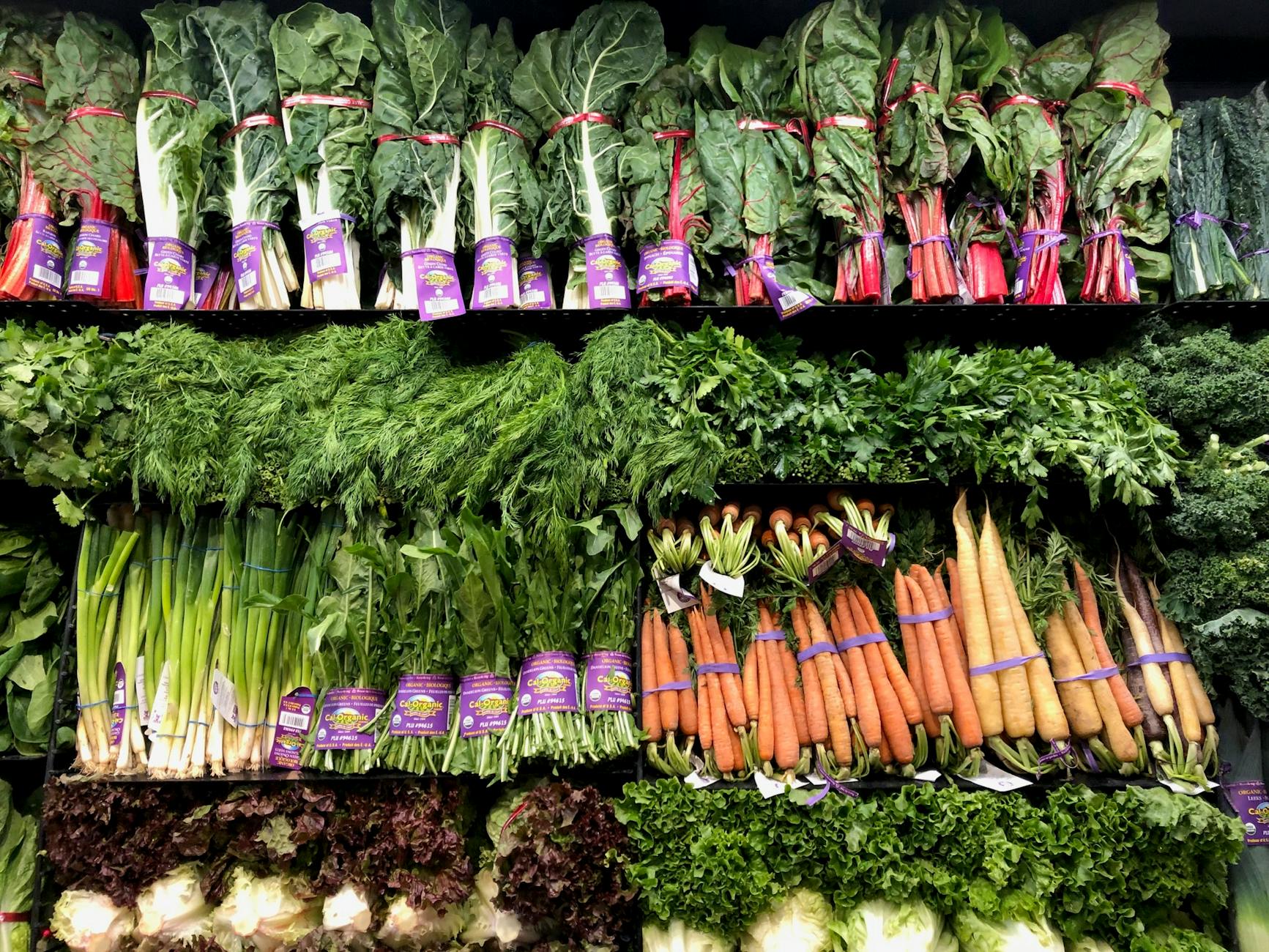
Major cities such as New York, London, and Sydney have seen plant-based restaurants and grocery options multiply, reflecting changing consumer preferences. According to The Economic Times, plant-based meat and dairy alternatives now account for nearly 15% of total grocery sales in urban centers.
Health Awareness Drives Dietary Shifts
The surge in plant-based eating is closely linked to growing awareness of the health benefits associated with these diets. Data from the Centers for Disease Control and Prevention (CDC) shows a 30% reduction in cholesterol-related illnesses among adults who adopted plant-based diets over the past year.
Medical professionals are increasingly recommending plant-based diets to combat chronic diseases. Dr. Priya Menon, a nutritionist at Johns Hopkins Hospital, told Reuters, "We are seeing significant improvements in cardiovascular health, weight management, and even mental well-being among patients who switch to plant-based eating."
Environmental Concerns Fuel Adoption
Environmental sustainability is another major factor behind the trend. The United Nations Environment Programme (UNEP) reports that plant-based diets can reduce individual carbon footprints by up to 50%, a statistic widely cited in recent climate change discussions.

Food production accounts for more than a quarter of global greenhouse gas emissions, according to the Food and Agriculture Organization (FAO). The shift toward plant-based diets is seen as a key strategy for meeting international climate targets, as reported by The Guardian.
Celebrity Influence and Social Media Trends
High-profile endorsements have played a significant role in popularizing plant-based eating. Celebrities like Zendaya, Lewis Hamilton, and BTS have publicly advocated for plant-based diets, sparking viral trends on platforms like TikTok and Instagram.
The hashtag #PlantBased2026 has garnered over 500 million views on TikTok in the past month alone, according to data from Social Blade. Influencers are sharing recipes, meal prep tips, and success stories, making plant-based eating more accessible and appealing to younger generations.
Food Industry Responds to Demand

Major food companies are rapidly expanding their plant-based product lines. Nestlé, Unilever, and Beyond Meat have all reported double-digit sales growth in their plant-based divisions since January, as reported by Bloomberg.
Supermarkets have increased shelf space for plant-based options, and fast-food chains like McDonald's and KFC have launched new plant-based menu items in response to consumer demand. According to The Economic Times, these launches have driven a 40% increase in sales for some outlets.
Challenges and Criticisms
Despite the surge, some nutritionists caution against highly processed plant-based foods, warning that not all alternatives are equally healthy. The WHO recommends focusing on whole foods such as legumes, grains, fruits, and vegetables, rather than processed meat substitutes.
Affordability and accessibility remain concerns, especially in low-income communities. The FAO notes that while prices for plant-based staples have fallen by 10% in the past year, disparities persist between urban and rural areas.
What’s Next for Healthy Eating Trends?
Experts predict the plant-based movement will continue to grow, driven by ongoing research, policy incentives, and consumer demand. The WHO is expected to release new dietary guidelines later this year, further emphasizing the importance of plant-based nutrition.
Governments in several countries are considering subsidies for plant-based foods and educational campaigns to promote healthy eating habits. Industry analysts forecast that plant-based products could comprise up to 25% of the global food market by 2030.
Sources
- World Health Organization Global Nutrition Report (March 2026)
- CDC Health Statistics (2026)
- The Economic Times
- Reuters
- Bloomberg
- The Guardian
- United Nations Environment Programme
- Food and Agriculture Organization
- Social Blade
Sources: Information sourced from the World Health Organization, CDC, The Economic Times, Reuters, Bloomberg, The Guardian, UNEP, FAO, and Social Blade.