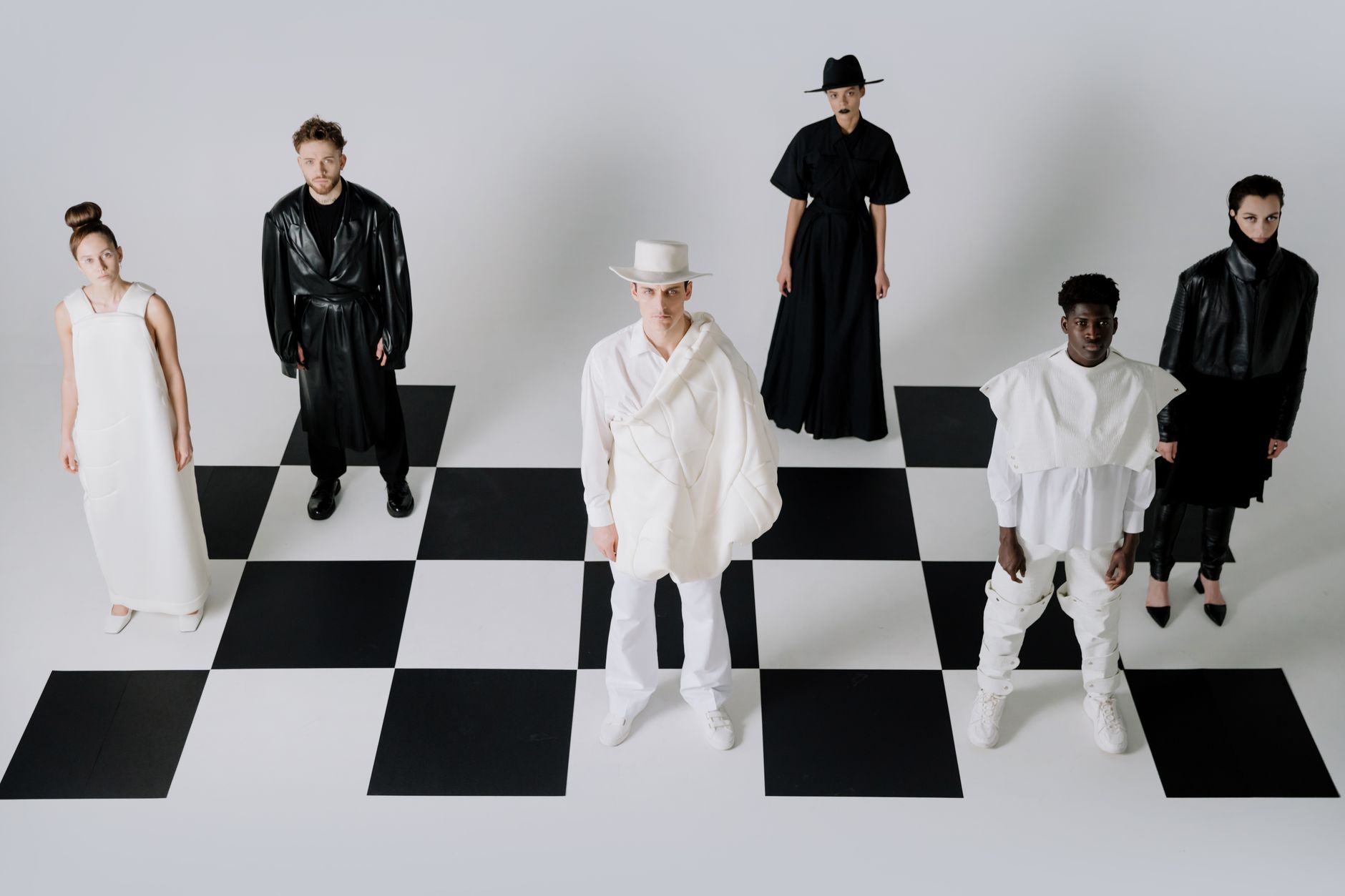
Spring 2026 sees 'quiet luxury' take center stage, with minimalist designs, premium fabrics, and subtle branding redefining fashion trends and consumer preferences across global runways and retailers.
Quiet luxury has emerged as the defining fashion trend of Spring 2026, with designers and consumers alike embracing understated elegance and premium quality, according to Vogue and The Business of Fashion.
The term 'quiet luxury' refers to clothing and accessories that prioritize timeless design, fine materials, and subtle details over flashy logos or overt branding. This movement has gained momentum on runways in Paris, Milan, and New York, as reported by Harper’s Bazaar.

Major luxury houses like Loro Piana, The Row, and Brunello Cucinelli have led the charge, showcasing collections dominated by neutral palettes, tailored silhouettes, and sumptuous fabrics. According to The Business of Fashion, their Spring/Summer 2026 shows drew critical acclaim for their restraint and sophistication.
Background: The Rise of Quiet Luxury
The quiet luxury trend is not entirely new, but its prominence has surged in the wake of economic uncertainty and shifting consumer values. According to a 2026 McKinsey report, consumers are increasingly seeking investment pieces that offer longevity and versatility.
Fashion historians note that similar minimalist movements have occurred during periods of global instability, such as the 1990s recession. Today’s iteration, however, is defined by an emphasis on ethical sourcing and craftsmanship, as detailed by The New York Times.
Key Details: Runway Highlights and Retail Impact
At Paris Fashion Week in March 2026, Hermès presented a collection focused on buttery leathers and crisp cottons, with subtle monogramming and classic tailoring. Vogue described the show as 'a masterclass in understated elegance.'

Retailers have reported a surge in demand for minimalist staples. Net-a-Porter and MatchesFashion both noted a 27% increase in sales of neutral-toned blazers, silk shirts, and wide-leg trousers compared to Spring 2025, according to company press releases.
Social media influencers have also embraced the trend, with TikTok’s #quietluxury hashtag amassing over 2.3 billion views by April 2026. Influencers such as Matilda Djerf and Emma Chamberlain have popularized capsule wardrobes featuring high-quality basics.
Materials and Craftsmanship Take Center Stage
Brands are spotlighting their use of premium materials, such as cashmere, silk, and organic cotton. According to a report by WWD, Loro Piana’s Spring 2026 collection highlighted traceable merino wool and eco-friendly dyes, appealing to environmentally conscious shoppers.
Craftsmanship is now a key marketing point. Many brands are offering behind-the-scenes content showing artisans at work, reinforcing the value proposition of investment dressing, as reported by The Guardian.
Analysis: Why Quiet Luxury Resonates Now
Experts attribute the rise of quiet luxury to a backlash against fast fashion and logo-centric styles. As The Business of Fashion notes, consumers are increasingly wary of fleeting trends and are seeking longevity and authenticity.
The trend also reflects broader societal shifts toward mindfulness and sustainability. According to a 2026 Deloitte survey, 62% of consumers prefer to buy fewer, higher-quality pieces rather than frequently updating their wardrobes.
Celebrity Influence and Media Coverage
Celebrities such as Zendaya, Timothée Chalamet, and Cate Blanchett have been spotted in pared-back ensembles at recent film premieres, further fueling the trend. Media outlets from Elle to The Wall Street Journal have published features on how to achieve the quiet luxury look.
Impact: Shaping the Industry and Consumer Behavior
The quiet luxury movement is influencing not only high fashion but also mass-market retailers. Brands like COS, Uniqlo, and Everlane are expanding their premium lines, offering accessible versions of minimalist staples, according to Retail Dive.
This trend is also affecting resale platforms. The RealReal reported a 35% increase in searches for brands associated with quiet luxury, such as Max Mara and Jil Sander, in the first quarter of 2026.
Challenges and Criticisms
Despite its popularity, quiet luxury faces criticism for its exclusivity. The high price points of many items limit accessibility, raising questions about inclusivity in fashion, as discussed by The New York Times.
Some critics argue that the trend’s emphasis on subtlety can perpetuate class divides, as only those familiar with luxury codes can recognize certain brands, according to analysis by The Guardian.
What’s Next: Future of the Quiet Luxury Trend
Industry analysts predict that quiet luxury will continue to shape fashion through the remainder of 2026. Brands are expected to double down on transparency, ethical production, and timeless design.
Emerging designers are also entering the market with minimalist collections at more accessible price points, potentially broadening the appeal of the trend, as reported by Harper’s Bazaar.
As the season progresses, experts will watch closely to see whether quiet luxury maintains its dominance or gives way to new expressions of personal style.
Sources
Information in this article was sourced from Vogue, The Business of Fashion, Harper’s Bazaar, The New York Times, WWD, The Guardian, Retail Dive, Deloitte, and The RealReal.Sources: Information sourced from Vogue, The Business of Fashion, Harper’s Bazaar, The New York Times, WWD, The Guardian, Retail Dive, Deloitte, and The RealReal.