Samsung has unveiled the Galaxy Z Fold 6, its latest foldable smartphone, with enhanced durability, camera upgrades, and AI features. Early reviews highlight performance, design, and market impact.
Samsung officially launched the Galaxy Z Fold 6 on April 11, 2026, at its global Unpacked event in Seoul, unveiling significant upgrades in design, performance, and AI integration, according to Reuters.
The Galaxy Z Fold 6 marks Samsung’s latest entry into the foldable smartphone market, a sector the company has dominated since 2019. The device’s debut comes amid growing competition from rivals like Huawei and Google, as reported by The Verge.
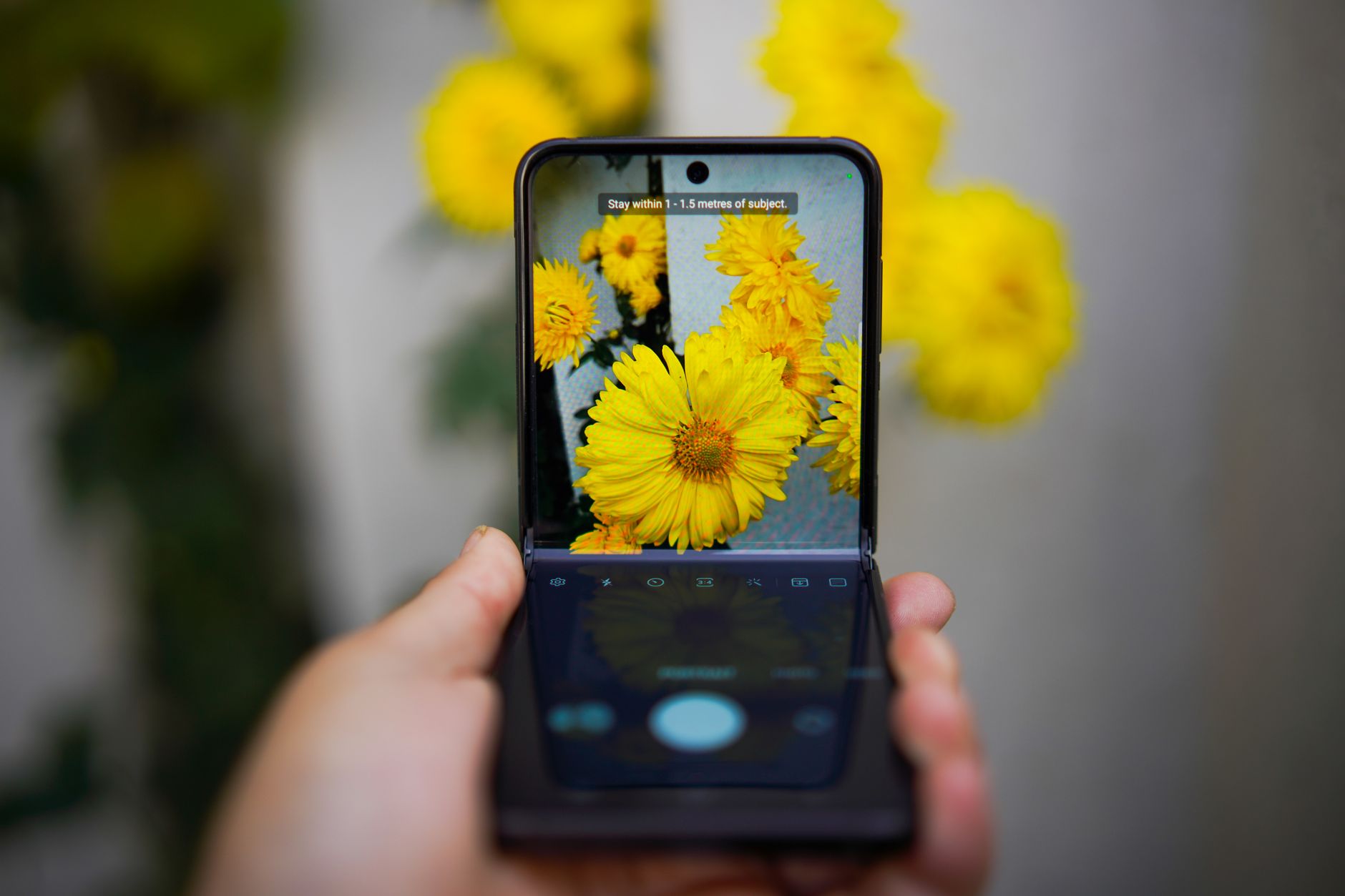
This year’s model introduces a slimmer hinge, lighter build, and reinforced Ultra Thin Glass, addressing previous durability concerns. Samsung claims the Fold 6 can withstand up to 500,000 folds, based on internal testing cited by CNET.
Design and Display Upgrades
The Fold 6 features a 7.8-inch Dynamic AMOLED 2X main display with a 120Hz refresh rate, offering vibrant colors and smooth scrolling. The cover display has also been expanded to 6.5 inches, making single-handed use more practical, according to Samsung’s press release.
Weighing just 236 grams, the Fold 6 is 12% lighter than its predecessor. The device’s frame is constructed from Armor Aluminum, and the hinge mechanism has been redesigned for improved dust and water resistance, achieving an IPX8 rating.
Performance and Hardware
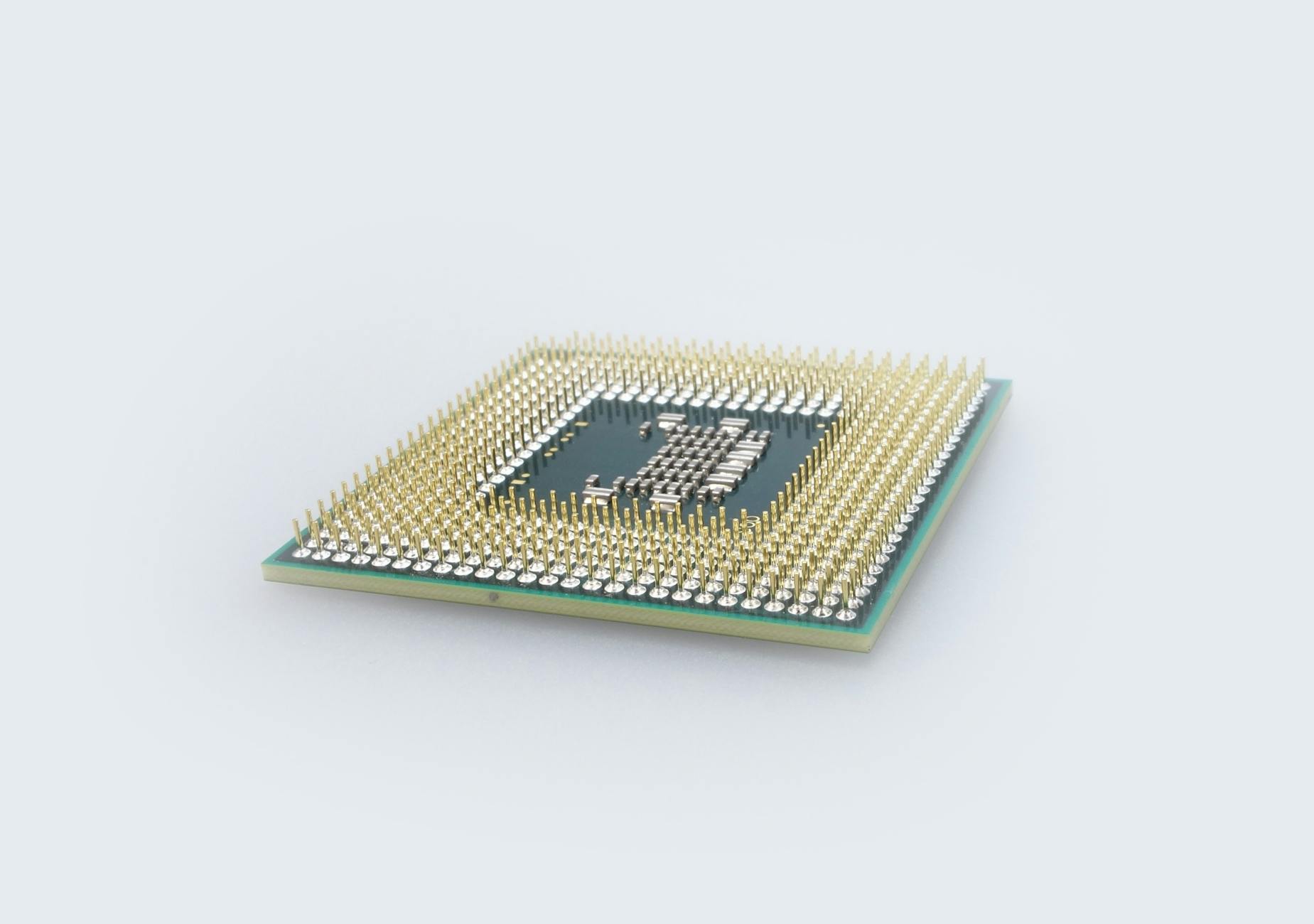
Powered by the Qualcomm Snapdragon 8 Gen 4 processor and 12GB of RAM, the Galaxy Z Fold 6 delivers top-tier performance for multitasking and gaming. Storage options include 256GB, 512GB, and 1TB variants, as detailed by GSM Arena.
The device houses a 4,800mAh dual-cell battery, supporting 45W wired and 25W wireless charging. Samsung claims a full charge can be achieved in under 45 minutes, and battery endurance tests from TechRadar confirm all-day usage under moderate conditions.
Camera Innovations

The Fold 6 sports a triple rear camera setup: a 50MP main sensor, 12MP ultra-wide, and 10MP telephoto with 3x optical zoom. The under-display 16MP front camera offers improved clarity for video calls and selfies, according to Samsung.
Samsung’s new AI-powered camera features include real-time scene optimization, advanced night mode, and auto-framing for group shots. Early reviews from Android Authority praise the camera’s versatility and low-light performance.
AI Integration and Software
The Galaxy Z Fold 6 debuts with One UI 8.0 based on Android 15, introducing Galaxy AI features like live translation, AI-powered multitasking, and smart summarization for documents and messages. Samsung promises four years of OS updates and five years of security patches.
Samsung’s Flex Mode has been enhanced, allowing users to split the screen for simultaneous apps and optimized video playback. The device also supports S Pen Fold Edition, catering to productivity users, as highlighted by Engadget.
Market Impact and Competition

The Fold 6 enters a market where foldable shipments are projected to reach 30 million units in 2026, according to IDC. Competitors like Google’s Pixel Fold 2 and Huawei Mate X5 have raised the bar, but Samsung’s brand loyalty and global reach remain strong.
Analysts from Counterpoint Research note that Samsung’s focus on durability and AI may help it maintain leadership in the premium foldable segment, despite increasing pressure from Chinese OEMs.
Early Reviews and Consumer Response
Tech reviewers have praised the Fold 6’s improved ergonomics, display quality, and software experience. However, some concerns remain about pricing, which starts at $1,799 in the US, and the long-term reliability of foldable screens.
Pre-orders opened immediately after the launch event, with Samsung offering trade-in deals and bundled accessories. The device will be available in Phantom Black, Silver, and a new Emerald Green colorway.
What’s Next for Foldables?
Industry experts predict that foldables will continue to evolve, with thinner designs, better battery life, and more affordable price points. Samsung’s investment in flexible display technology signals a commitment to lead this transformation.
Future software updates will expand Galaxy AI capabilities, with Samsung hinting at deeper integration with its ecosystem of wearables and smart home devices. The company also teased a potential rollable phone prototype, as reported by The Verge.
Sources
Information for this article was sourced from Reuters, The Verge, CNET, GSM Arena, TechRadar, Android Authority, Engadget, IDC, and Counterpoint Research.
Sources: Information sourced from Reuters, The Verge, CNET, GSM Arena, TechRadar, Android Authority, Engadget, IDC, and Counterpoint Research.