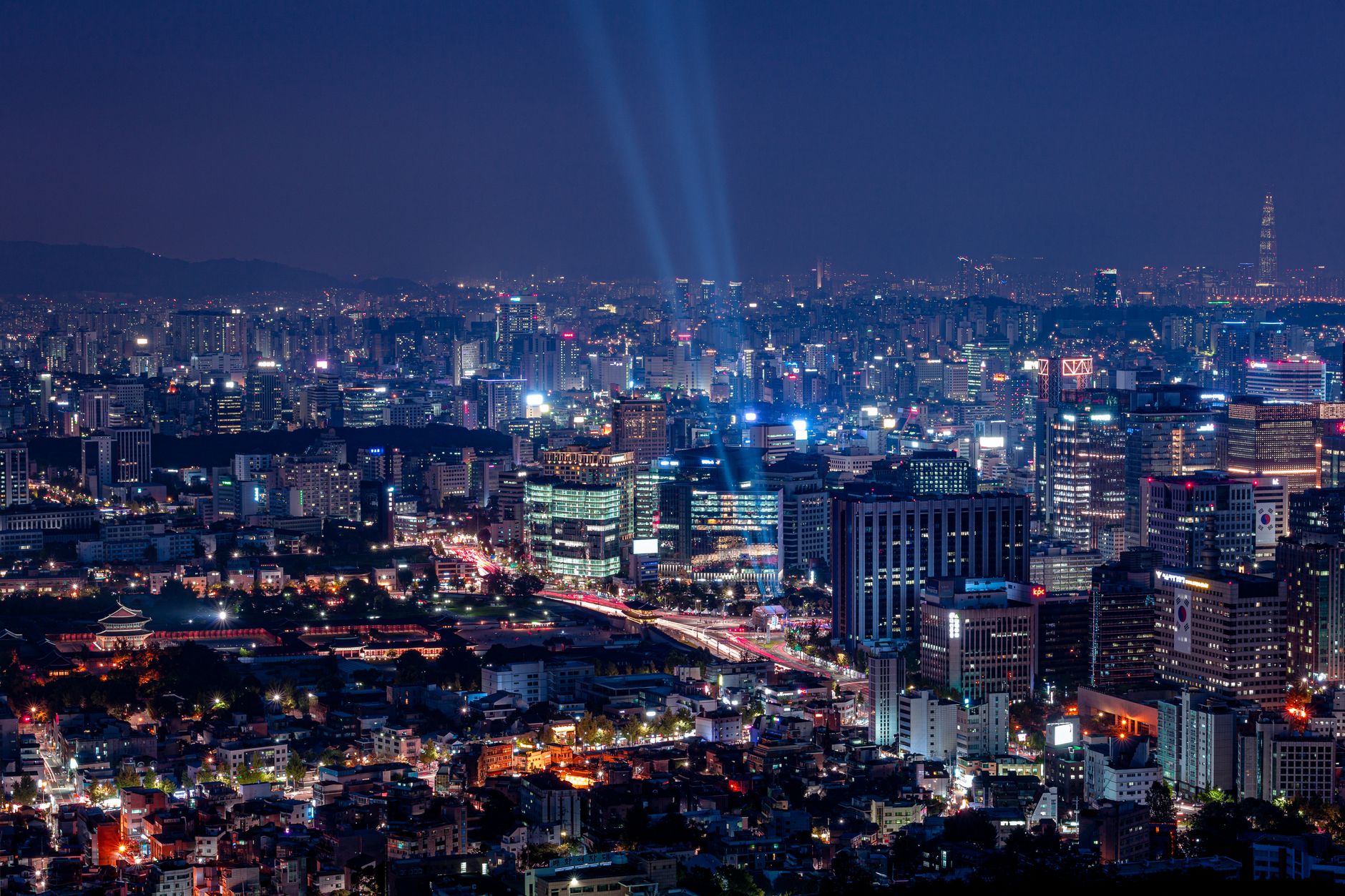
Seoul launches a major smart city expansion in 2026, integrating AI, IoT, and green infrastructure. This case study explores the project's goals, challenges, and global significance.
Seoul, South Korea, July 24, 2026 — The Seoul Metropolitan Government has announced the next phase of its Smart Seoul 2030 initiative, rolling out a comprehensive expansion of smart city infrastructure designed to transform urban life, according to Yonhap News Agency.
The new plan, unveiled at the Seoul Smart City Expo, includes the deployment of AI-powered traffic management, citywide IoT sensors, and green energy solutions. The project aims to address rapid urbanization, climate change, and post-pandemic resilience.

Background: Seoul’s Smart City Journey
Seoul has long been a global leader in digital governance and urban innovation. Its initial smart city efforts began in the early 2010s, focusing on public Wi-Fi, digital citizen services, and smart transportation, as reported by The Korea Herald.By 2024, Seoul had already implemented over 1,000 public Wi-Fi zones and piloted autonomous buses in select districts. The city’s population, exceeding 9.5 million, created both opportunities and challenges for scaling these technologies.
Key Features of the 2026 Expansion
The 2026 expansion introduces AI-driven traffic lights at 2,000 intersections, aiming to reduce congestion and cut emissions by 15% over the next two years, according to Seoul’s Department of Transportation.IoT sensors will monitor air quality, noise levels, and energy consumption in real time. Data from these sensors will feed into an integrated city dashboard accessible to both officials and citizens, enhancing transparency and responsiveness.
The plan also includes the installation of 300,000 smart streetlights equipped with environmental sensors and emergency response capabilities, as detailed in a city press release.

Green Infrastructure and Sustainability
Seoul’s expansion prioritizes sustainability. The city will add 5,000 new electric vehicle charging stations, and all new public buildings must meet zero-carbon standards, according to The Korea Times.Rooftop solar panels will be installed on 20% of municipal buildings by 2028, contributing to Seoul’s target of achieving carbon neutrality by 2050. These measures align with global trends in urban climate action, as highlighted by the C40 Cities network.
Digital Inclusion and Citizen Engagement
Recognizing the digital divide, Seoul’s plan includes free digital literacy programs for seniors and low-income residents. The city will distribute 100,000 subsidized smart devices to vulnerable groups, according to city officials.A new mobile app, 'My Seoul Life,' will allow residents to access city services, report issues, and participate in urban planning surveys. This approach aims to foster participatory governance and ensure equitable access to smart city benefits.
Security, Privacy, and Data Governance
With increased data collection, Seoul is strengthening its cybersecurity infrastructure. The city will implement end-to-end encryption for all sensor data and establish an independent data ethics board, as reported by The Korea IT News.Personal data will be anonymized, and citizens will have control over their data sharing preferences. These policies are designed to build public trust and comply with South Korea’s robust data protection laws.
Challenges and Criticisms
Despite its ambitions, the project faces challenges. Urban planners and civil society groups have raised concerns about surveillance, gentrification, and the risk of technological exclusion, according to interviews published by Reuters.There are also logistical hurdles, including integrating legacy infrastructure and ensuring interoperability among diverse technology vendors. The city has pledged to conduct regular public consultations and third-party audits to address these issues.
Global Significance and Replicability
Seoul’s smart city expansion is being closely watched by urban leaders worldwide. The World Economic Forum cites Seoul as a model for balancing innovation, inclusivity, and sustainability in urban development.International delegations from Singapore, Dubai, and London have visited Seoul to study its integrated approach. The city’s open-source software and public-private partnerships are seen as key factors in its success.
What’s Next for Smart Seoul?
Looking ahead, Seoul plans to pilot AI-powered waste management and expand its digital twin platform for urban simulation. The city will also launch a global smart city summit in 2027 to share best practices and foster collaboration.Officials emphasize that citizen feedback will shape future phases. The city’s goal is to create a resilient, adaptive urban environment that serves as a blueprint for metropolises worldwide.
Sources
Information for this article was sourced from Yonhap News Agency, The Korea Herald, The Korea Times, Reuters, The Korea IT News, and the World Economic Forum.Sources: Information sourced from Yonhap News Agency, The Korea Herald, The Korea Times, Reuters, The Korea IT News, and World Economic Forum reports.