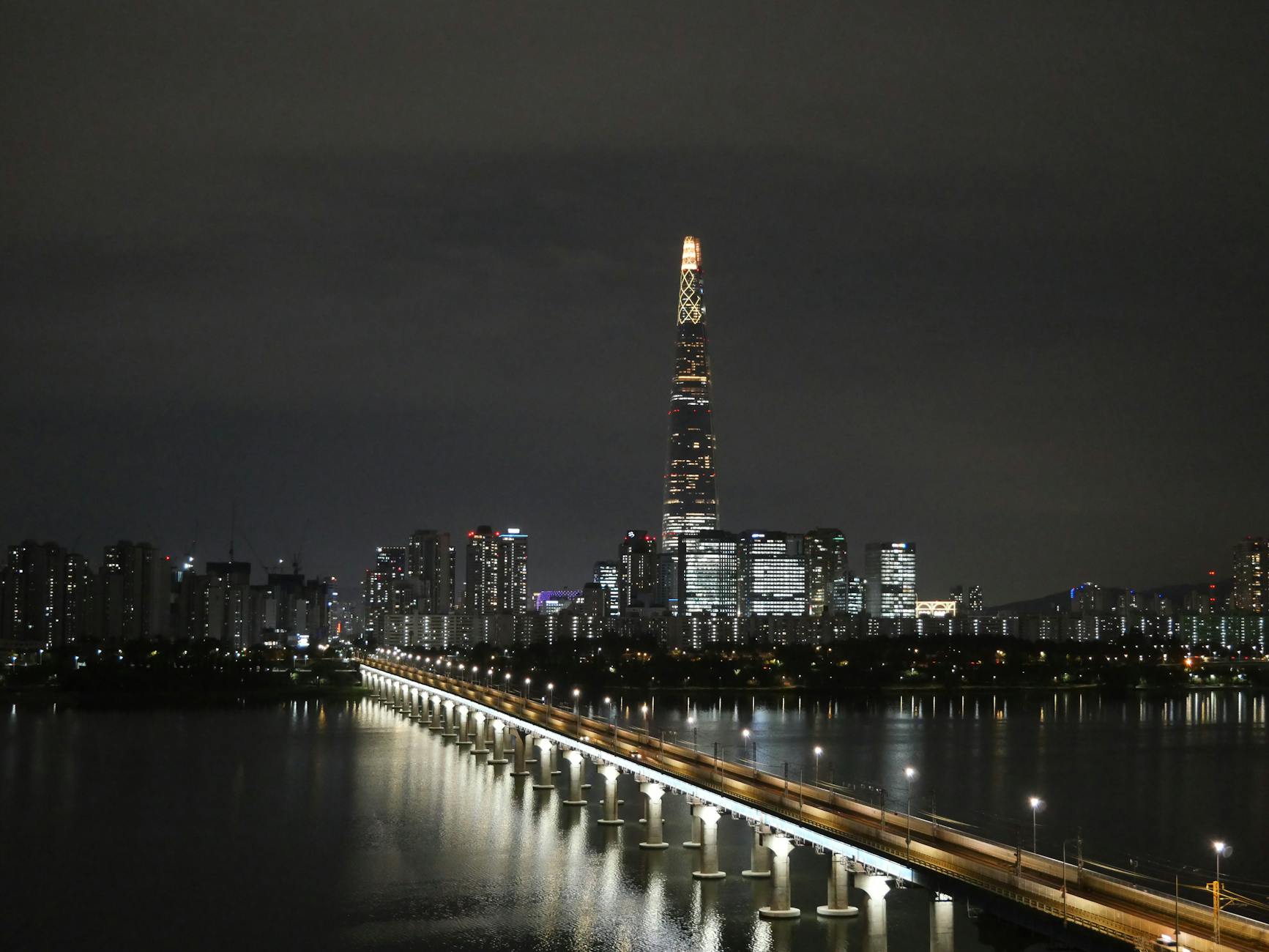
Seoul is pioneering smart city innovation with its new Digital Twin project, integrating real-time data and AI to optimize urban planning, sustainability, and citizen services in 2026.
Seoul, South Korea, February 26, 2026 — The Seoul Metropolitan Government has launched a groundbreaking Digital Twin project, aiming to transform the city into a global smart city leader by leveraging real-time data, artificial intelligence, and 3D modeling, according to The Korea Herald.
The Digital Twin Seoul initiative, unveiled in January 2026, is a comprehensive effort to create a virtual replica of the city’s infrastructure, traffic, environment, and public services. The project is designed to enhance urban planning, disaster response, and sustainability, as reported by Yonhap News Agency.

Background: Seoul’s Smart City Ambitions
Seoul has long been recognized for its digital infrastructure and innovative governance. Over the past decade, the city has invested heavily in smart technologies, including IoT sensors, high-speed internet, and open data platforms, according to SmartCitiesWorld.The city’s population of nearly 10 million faces challenges such as congestion, pollution, and aging infrastructure. Urban planners have increasingly turned to digital solutions to address these issues, with the Digital Twin project representing the latest and most ambitious step, as noted by The Korea Times.
What Is a Digital Twin?
A digital twin is a virtual model that mirrors physical assets and processes using real-time data. In Seoul’s case, the digital twin encompasses roads, buildings, utilities, and even pedestrian flows, updated continuously through sensors and satellite imagery, according to Reuters.This technology enables city officials to simulate scenarios—such as traffic congestion, flooding, or energy consumption—before implementing policy changes. The goal is to make urban management more predictive, efficient, and responsive.

Key Features of Seoul’s Digital Twin Project
Seoul’s digital twin integrates data from more than 50,000 IoT sensors across the city, providing real-time updates on air quality, traffic, water usage, and public safety, as reported by The Korea Herald.The platform uses AI algorithms to analyze patterns and forecast outcomes, supporting decisions on infrastructure upgrades, emergency response, and environmental management. City officials can visualize the impact of proposed developments or policy changes in a 3D environment.
One notable application is the simulation of flood scenarios. In July 2025, Seoul experienced severe flash floods. Using the digital twin, city planners can now model rainfall patterns and drainage capacity to optimize flood prevention strategies, according to Yonhap.
Citizen Engagement and Transparency
The Digital Twin Seoul platform is accessible to the public, allowing residents to explore 3D maps, report issues, and participate in urban planning. This transparency aims to foster greater civic engagement and trust, as highlighted by SmartCitiesWorld.The city has launched an interactive portal where citizens can view real-time data on traffic, pollution, and construction projects. Feedback mechanisms are integrated, enabling residents to suggest improvements or flag concerns.

Environmental and Economic Impact
Seoul’s smart city approach is expected to reduce energy consumption by up to 15% and cut carbon emissions by 10% by 2028, according to projections from the Seoul Institute of Technology.The project is also driving economic growth. The city estimates that smart city initiatives, including the digital twin, will generate over 20,000 new tech jobs by 2027 and attract significant foreign investment, as reported by The Korea Times.
Challenges and Concerns
Despite its promise, the Digital Twin project faces challenges. Data privacy and cybersecurity are major concerns, especially with the vast amount of personal and infrastructure data being collected, as noted by Reuters.Seoul officials have pledged to implement strict data protection measures, including encryption and anonymization. The city is also working with international partners to develop cybersecurity standards for smart cities.
Global Significance and Replicability
Seoul’s Digital Twin project is being closely watched by other global cities. Delegations from Singapore, Dubai, and London have visited Seoul to study its approach, according to SmartCitiesWorld.Experts believe that Seoul’s model could serve as a blueprint for urban centers facing similar challenges. The integration of real-time data, AI, and citizen engagement is seen as a best practice for future smart city projects.
What’s Next for Seoul?
The city plans to expand the digital twin to include underground infrastructure, such as subway lines and utilities, by late 2026. Further integration with autonomous vehicles and smart energy grids is also in development, as reported by Yonhap.Seoul’s commitment to innovation continues to position it at the forefront of smart city development. The Digital Twin project is expected to evolve, incorporating new technologies and expanding citizen participation in the years ahead.
Sources: Information sourced from The Korea Herald, Yonhap News Agency, SmartCitiesWorld, Reuters, The Korea Times, and the Seoul Institute of Technology.
Sources: Information sourced from The Korea Herald, Yonhap News Agency, SmartCitiesWorld, Reuters, The Korea Times, and the Seoul Institute of Technology.