
Seoul’s Songdo district embarks on a major smart city expansion in 2026, integrating AI, IoT, and green infrastructure, positioning itself as a global model for urban development innovation.
Seoul, South Korea — April 3, 2026: The Songdo International Business District, already recognized as one of the world’s most advanced smart cities, has launched a landmark expansion project this week, aiming to set new global standards for urban development. City officials announced a $3.2 billion investment integrating artificial intelligence, green infrastructure, and next-generation IoT systems, with completion targeted for 2029, according to Yonhap News.
The Songdo project, situated on reclaimed land along Incheon’s waterfront, has been a flagship for South Korea’s smart city ambitions since its inception in 2002. Its latest expansion is designed to address rapid urbanization, climate resilience, and digital transformation, responding to both domestic needs and international demand for scalable smart city models.
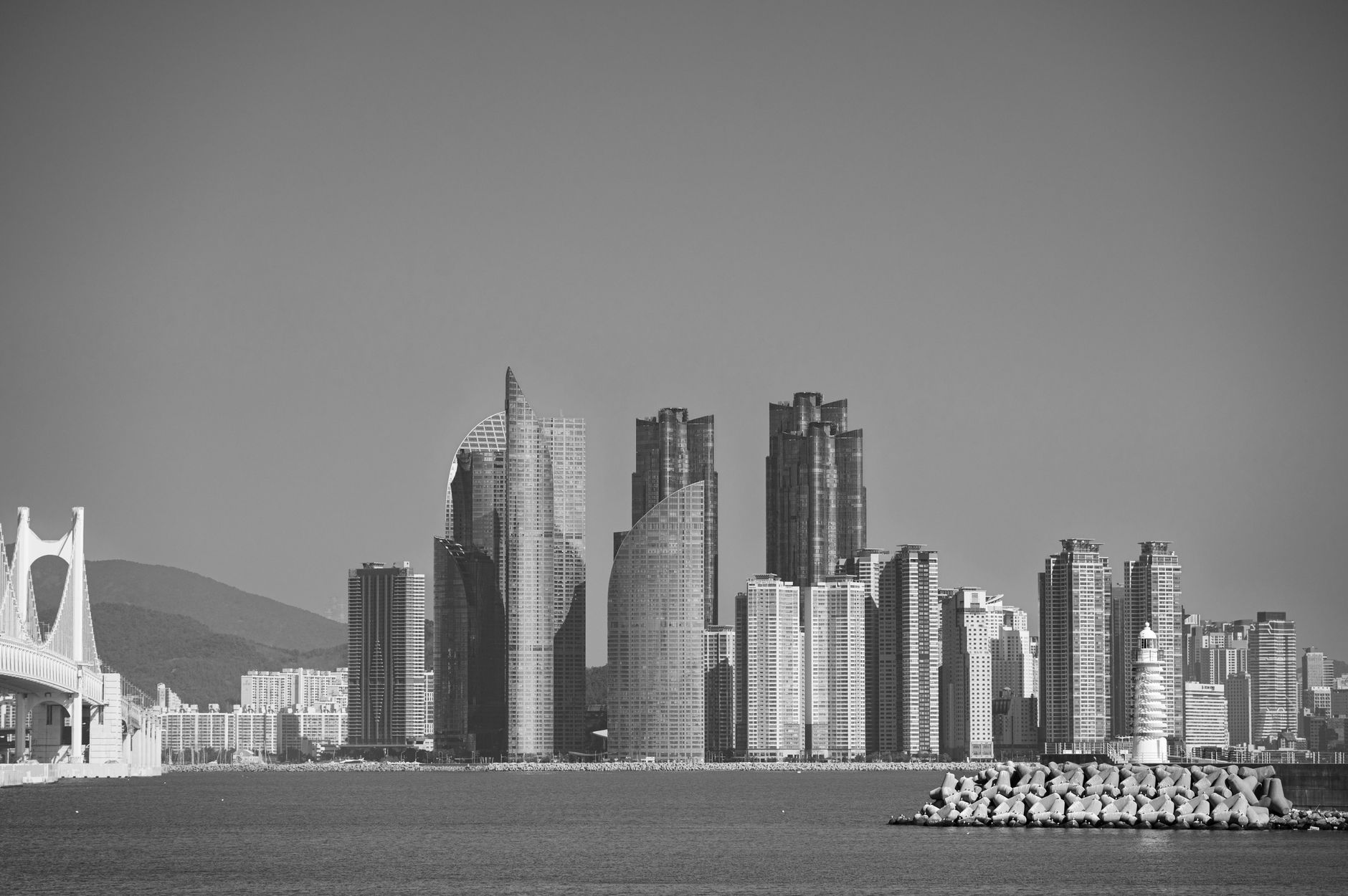
Background: Songdo’s Rise as a Smart City Pioneer
Songdo was conceived as a master-planned city with sustainability and connectivity at its core. Over two decades, it has attracted more than 180,000 residents and 1,600 businesses, according to the Incheon Free Economic Zone Authority. Its infrastructure includes pneumatic waste collection, smart traffic management, and ubiquitous Wi-Fi.The district’s first phase, completed in 2015, emphasized eco-friendly design, with 40% of its land dedicated to green spaces. Songdo’s Central Park, modeled after New York’s, and its LEED-certified buildings have won international awards, as reported by The Korea Herald.
Key Details of the 2026 Expansion
The newly announced expansion covers an additional 6 square kilometers, increasing Songdo’s total area by 30%. The project will introduce AI-powered mobility corridors, autonomous public transport, and a city-wide digital twin platform for real-time urban management, according to the Ministry of Land, Infrastructure and Transport.A central feature is the integration of next-generation IoT sensors for air quality, energy use, and public safety. The city’s command center will leverage 5G and edge computing to process data streams, optimizing traffic, utilities, and emergency response in real time.

The expansion also prioritizes climate resilience. New developments will feature flood-resistant infrastructure, solar-powered microgrids, and smart water recycling systems, aiming to reduce Songdo’s carbon footprint by 40% by 2030, as outlined in the city’s sustainability roadmap.
International Collaboration and Investment
Songdo’s expansion is backed by a consortium of South Korean and international firms, including Cisco, Samsung, and Siemens. The World Bank and the Asian Development Bank have pledged technical support, citing Songdo as a model for emerging smart cities worldwide.Foreign direct investment in Songdo has surged by 18% year-on-year, with major tech companies establishing R&D hubs in the district, according to data from the Korea Trade-Investment Promotion Agency (KOTRA).
Challenges and Criticisms
Despite its successes, Songdo has faced criticism over affordability and social inclusivity. Housing prices have risen 22% since 2022, raising concerns about gentrification, as reported by The Korea Times. City officials have responded with new affordable housing mandates in the expansion plan.Privacy advocates have also raised alarms over the extent of data collection and surveillance in Songdo’s smart infrastructure. The city government has pledged to implement transparent data governance policies and citizen oversight committees.

Impact on Urban Development Globally
Urban planners worldwide are closely watching Songdo’s expansion. The United Nations’ 2026 Smart Cities Index lists Songdo among the top three global smart city models, alongside Singapore and Dubai. Experts highlight Songdo’s integrated approach to technology, sustainability, and governance as a blueprint for future urbanization.In a recent policy forum, the OECD noted that Songdo’s real-time data platforms and public-private partnerships have accelerated innovation in mobility, energy, and health services, offering lessons for cities grappling with climate change and digital transformation.
Community Engagement and Social Innovation
The expansion plan includes a new civic innovation lab, inviting residents to co-design digital services and neighborhood amenities. Local NGOs are partnering with city officials to ensure accessibility for elderly and disabled citizens, aiming for universal design standards.Educational institutions in Songdo, such as the University of Incheon and Yonsei University’s Global Campus, are launching smart city research centers and talent pipelines to support the district’s growth.
What’s Next for Songdo and Smart Cities?
Construction on the new expansion zones begins in May 2026, with phased openings scheduled through 2029. City leaders plan to host the 2027 World Smart City Expo, showcasing Songdo’s innovations and fostering global collaboration.As other cities in Asia, Europe, and the Middle East scale up their own smart city projects, Songdo’s evolution will serve as a critical case study in balancing technology, sustainability, and social equity in urban development.
Sources
Information for this article was sourced from Yonhap News, The Korea Herald, The Korea Times, KOTRA, OECD, and the Ministry of Land, Infrastructure and Transport.Sources: Information sourced from Yonhap News, The Korea Herald, The Korea Times, KOTRA, OECD, and the Ministry of Land, Infrastructure and Transport.