
Seoul is pioneering smart city development in 2026, leveraging AI, IoT, and green infrastructure. This case study analyzes its ambitious projects, challenges, and global significance in urban innovation.
Seoul, South Korea, is making headlines in 2026 as it accelerates its smart city transformation, unveiling new AI-driven infrastructure and urban sustainability initiatives that are setting global benchmarks, according to The Korea Herald.
The capital city’s ambitious smart city program, launched in late 2025, has rapidly expanded in scope and scale. Seoul’s government aims to address urban congestion, climate challenges, and digital divide issues through cutting-edge technology and participatory planning.

Background: Seoul’s Smart City Vision
Seoul’s smart city journey began years ago, but 2026 marks a turning point. The city’s comprehensive plan, "Smart Seoul 2030," sets out to make Seoul the world’s most connected and sustainable metropolis by the end of this decade.According to Seoul Metropolitan Government data, the city’s population exceeds 9.5 million, creating immense pressure on transport, housing, and public services. The smart city initiative aims to enhance quality of life while reducing environmental impact.
Key Technologies: AI, IoT, and Big Data
Central to Seoul’s strategy is the deployment of artificial intelligence and Internet of Things (IoT) solutions. In 2026, the city rolled out an AI-powered traffic management system that has reduced average commute times by 15%, as reported by Yonhap News.IoT sensors installed across the city monitor air quality, energy consumption, and waste levels in real time. Data from these sensors feed into a centralized platform, allowing city officials to respond quickly to emerging issues and optimize resource allocation.
Green Infrastructure and Urban Mobility
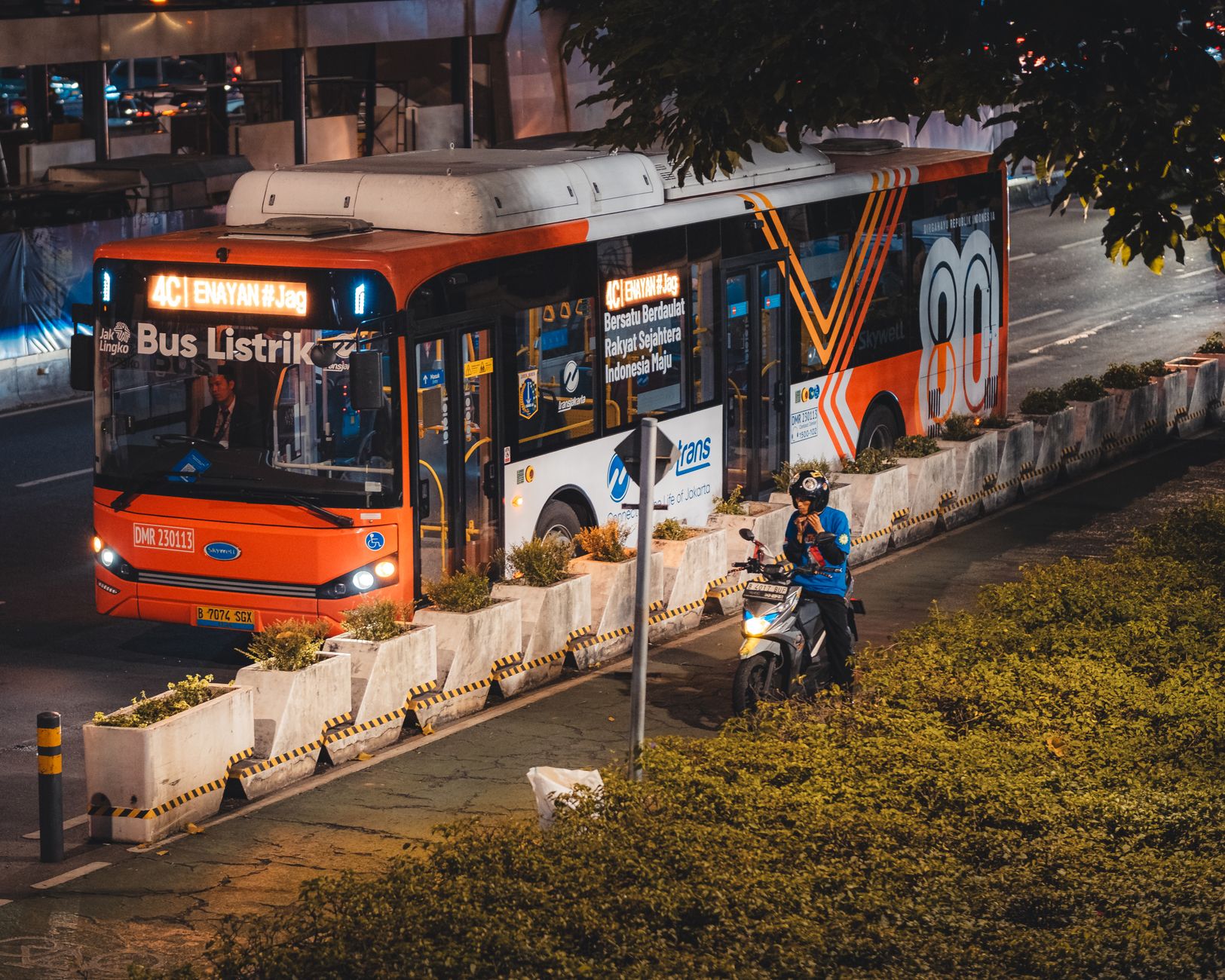
Seoul’s smart city projects emphasize sustainability. The city has expanded its network of electric buses, now comprising 40% of the municipal fleet, and introduced solar-powered charging stations at major transit hubs, according to The Korea Times.Green rooftops and vertical gardens have been incorporated into new developments, helping to combat urban heat and improve air quality. The Cheonggyecheon Stream restoration, a flagship urban renewal project, now features smart lighting and environmental monitoring systems.
Digital Inclusion and Citizen Engagement
Recognizing the risk of a digital divide, Seoul has launched free public Wi-Fi across all districts and established "Smart Seoul Centers" to provide digital literacy training, particularly for seniors and marginalized communities.The city’s participatory governance model uses online platforms and mobile apps to gather citizen feedback on urban planning and service delivery. In 2026, over 1.2 million residents participated in digital town hall meetings, according to Seoul City Hall records.
Challenges: Privacy, Security, and Equity
Despite its successes, Seoul faces challenges. Privacy advocates have raised concerns about the extensive use of surveillance cameras and data collection. The city has responded by implementing strict data protection regulations and transparent oversight mechanisms.Cybersecurity is another priority. In January 2026, Seoul thwarted a major ransomware attack targeting its transportation network, highlighting the need for robust digital defenses, as reported by ZDNet Korea.

Economic Impact and Global Influence
The smart city transformation has attracted significant investment. According to the Ministry of Land, Infrastructure and Transport, smart city-related industries generated over $8 billion in economic activity in 2025, with projections for continued growth.Seoul’s model is being studied by cities worldwide. Delegations from Europe, the Middle East, and Southeast Asia have visited Seoul to learn from its integrated approach to technology, sustainability, and citizen engagement.
Lessons Learned and Best Practices
Experts highlight several key lessons from Seoul’s experience: the importance of cross-sector collaboration, the need for ongoing public consultation, and the value of iterative, data-driven policymaking.The city’s flexible regulatory framework has enabled rapid experimentation and scaling of successful pilots. Seoul’s ability to adapt and learn from setbacks is cited as a major factor in its smart city achievements.
What’s Next for Seoul’s Smart City Agenda?
Looking ahead, Seoul plans to expand its AI-driven public safety network and pilot autonomous vehicle corridors by late 2026. The city is also investing in digital twin technology to simulate urban growth and infrastructure needs.Officials are exploring partnerships with global tech firms and local startups to accelerate innovation. The city’s next milestone is the 2027 World Smart City Expo, which Seoul will host, showcasing its progress to an international audience.
Conclusion: A Model for Urban Futures
Seoul’s smart city transformation in 2026 is a case study in how technology, policy, and public participation can converge to address complex urban challenges. Its ongoing journey offers valuable insights for cities navigating the digital age.Sources: The Korea Herald, Yonhap News, The Korea Times, Seoul Metropolitan Government, ZDNet Korea, Ministry of Land, Infrastructure and Transport.
Sources: Information sourced from The Korea Herald, Yonhap News, The Korea Times, Seoul Metropolitan Government, ZDNet Korea, and the Ministry of Land, Infrastructure and Transport.