
Sheer fabrics are the headline trend of Spring 2026, with major designers and celebrities embracing transparency on runways and red carpets, signaling a bold shift in seasonal fashion aesthetics.
Sheer fabrics have taken center stage in Spring 2026, with designers, celebrities, and influencers alike embracing transparency as the season’s defining fashion statement, according to Vogue and Women’s Wear Daily reports from Paris and New York Fashion Weeks.
The trend emerged prominently during the February 2026 runway shows, where labels such as Valentino, Dior, and Balmain showcased collections featuring gossamer layers, translucent mesh, and artfully draped organza. Fashion editors noted a marked increase in both the volume and variety of sheer garments compared to previous seasons.
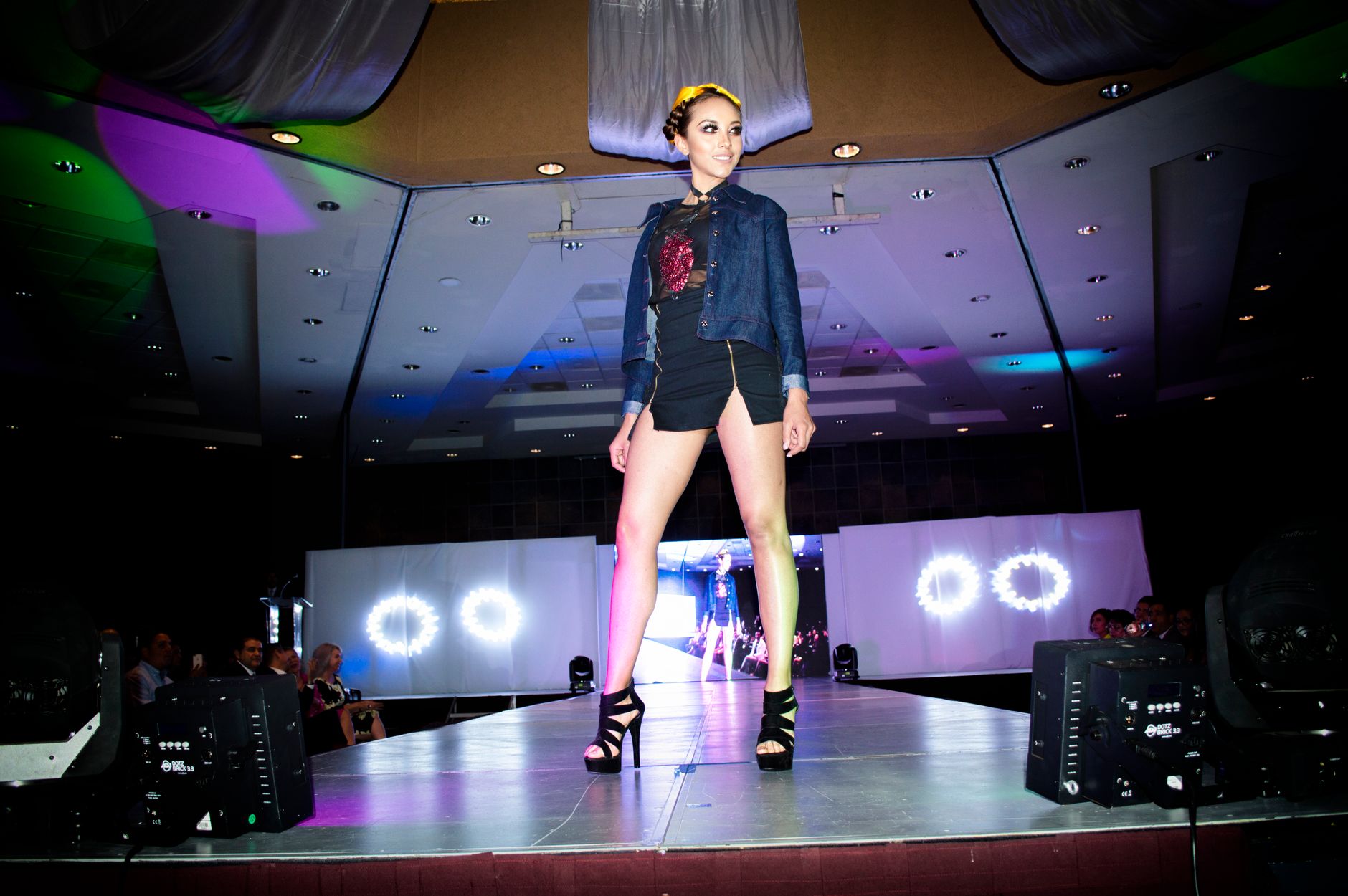
Sheer fabrics, once reserved for eveningwear, are now being reimagined for daytime looks. Designers are layering transparent blouses over bralettes, pairing see-through skirts with bold undergarments, and incorporating mesh panels into suiting. This evolution reflects a broader industry shift towards playful sensuality and body positivity, as highlighted by The Business of Fashion.
Origins of the Sheer Trend
While sheer fabrics have appeared in past collections, their current dominance can be traced to a convergence of cultural and technological factors. The rise of social media platforms like TikTok and Instagram has accelerated the visibility of daring styles, with viral moments from celebrities such as Zendaya and Dua Lipa fueling public interest.
Advancements in textile technology have also played a role. According to Textile World, new blends of synthetic fibers and finishing techniques allow for greater durability and comfort in sheer materials. This innovation has enabled designers to experiment with layering and structure, making transparency more accessible to mainstream consumers.
Key Runway Moments

Valentino’s Spring 2026 show in Paris was a watershed moment for the trend. Creative director Pierpaolo Piccioli sent models down the runway in floor-length sheer gowns, some adorned with delicate embroidery, others left almost entirely unadorned. The collection was praised by The New York Times for its "fearless celebration of the female form."
Dior’s Maria Grazia Chiuri took a different approach, layering sheer tulle skirts over tailored shorts and pairing translucent tops with structured jackets. The look was described by Elle as "ethereal yet empowering," blending romanticism with modern edge.
Balmain’s Olivier Rousteing embraced the trend with bold, geometric mesh dresses and see-through trench coats. His collection, according to Harper’s Bazaar, pushed the boundaries of transparency, using metallic threads and crystal embellishments to add dimension and drama.
Celebrity Influence and Red Carpet Impact
Hollywood has quickly adopted the sheer trend. At the 2026 Oscars, Zendaya’s custom Valentino sheer gown garnered widespread attention, trending on X (formerly Twitter) and generating over 2 million engagements within 24 hours, according to Social Blade analytics.
Other celebrities, including Timothée Chalamet and Hailey Bieber, have been spotted in sheer looks at high-profile events. Their choices have sparked conversations about gender fluidity in fashion, as sheer fabrics transcend traditional menswear and womenswear boundaries.
Retailers and Consumer Response
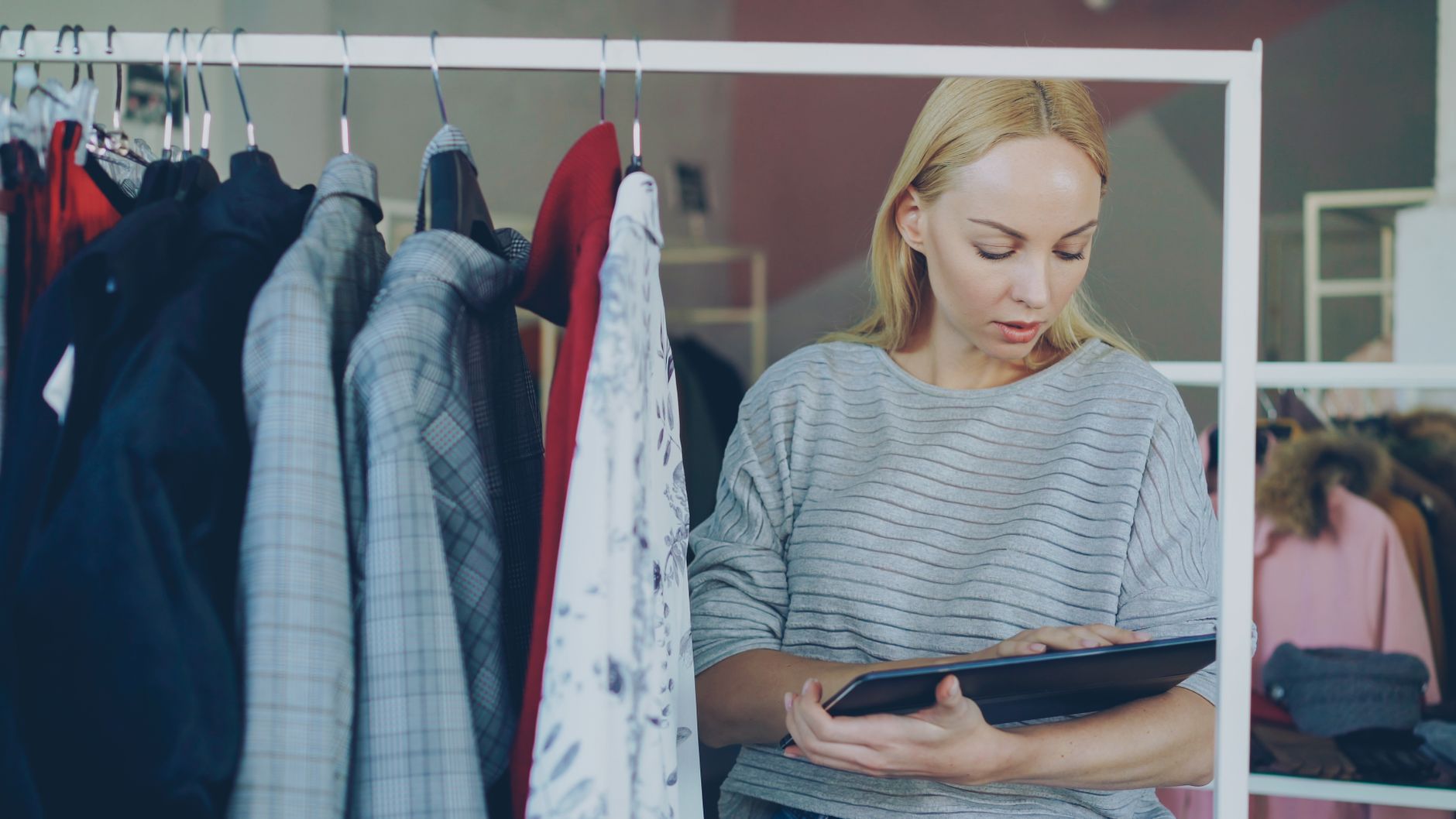
Major retailers are responding swiftly. Zara, H&M, and Revolve have all launched capsule collections featuring sheer tops, dresses, and layering pieces. According to a report by Edited, sales of sheer garments have increased by 37% in the first quarter of 2026 compared to the same period last year.
Consumer feedback has been largely positive, with many embracing the trend’s versatility. Fashion consultant Rachel Tashjian told The Wall Street Journal that "sheer pieces offer endless styling possibilities, from bold statements to subtle layering."
Analysis: Cultural and Social Implications
Analysts point to the trend’s alignment with broader cultural shifts. The emphasis on transparency and body positivity reflects ongoing conversations about self-expression and inclusivity. As noted by The Guardian, the trend has sparked debates about modesty, empowerment, and the evolving definition of professionalism in fashion.
Some critics have raised concerns about accessibility and comfort, especially for those outside the fashion industry. However, designers are increasingly offering lined and layered options, making the trend adaptable for various body types and preferences.
What’s Next for Sheer Fashion?
Industry insiders predict that the sheer trend will continue into the summer and possibly the Fall 2026 season, with more brands experimenting with color, print, and texture. Sustainability is also becoming a focus, as designers look for eco-friendly sheer fabrics and ethical production methods, according to a recent WWD report.
As the trend evolves, experts anticipate a move towards personalization, with consumers mixing and matching sheer pieces to suit their own style. The continued influence of digital platforms will likely drive further innovation and democratization of the trend.
Sources
Major references for this article include Vogue, Women’s Wear Daily, The New York Times, The Business of Fashion, Elle, Harper’s Bazaar, The Wall Street Journal, The Guardian, Textile World, and Edited.Sources: Information sourced from Vogue, Women’s Wear Daily, The New York Times, and other leading fashion industry publications.