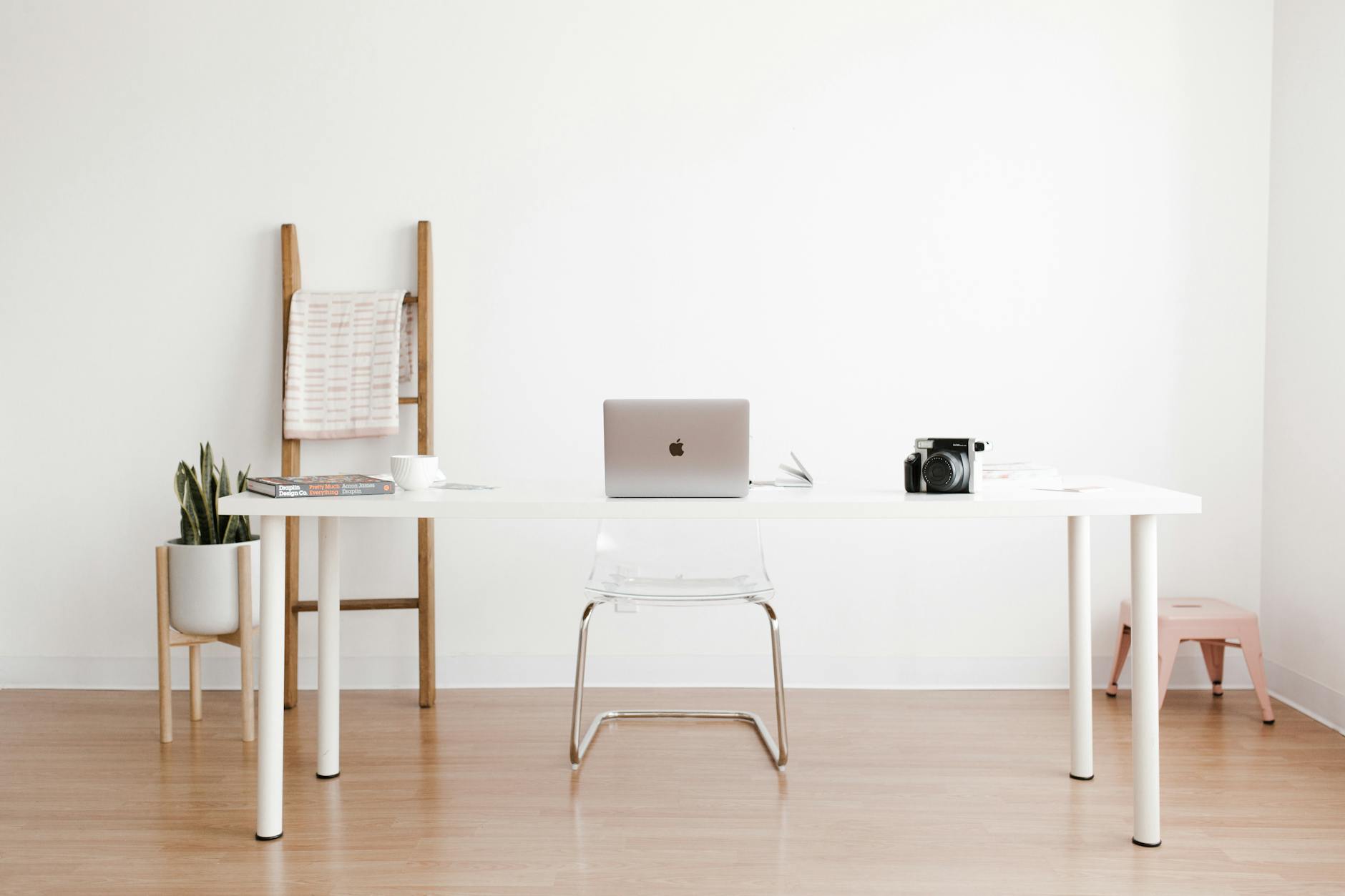
A new minimalist living movement is sweeping Silicon Valley, with tech professionals adopting decluttered lifestyles and innovative productivity hacks to combat burnout and boost efficiency.
Silicon Valley is witnessing a surge in minimalist living as tech professionals, startups, and executives adopt decluttered lifestyles and novel productivity hacks to tackle burnout and enhance efficiency, according to a March 2026 report by The Wall Street Journal.
The trend, dubbed the 'Minimalist Productivity Revolution,' has gained traction over the past year, with thousands of employees at major tech firms like Google, Meta, and emerging startups participating in company-sponsored minimalist challenges.

According to a recent survey by TechCrunch, over 40% of Bay Area tech workers have reduced personal possessions and streamlined their digital environments in the past six months, citing improved focus and reduced stress.
Background: The Rise of Minimalism in Tech
Minimalism has deep roots in Silicon Valley, with influential figures like Steve Jobs famously favoring simplicity. However, the current wave is distinct, driven by pandemic-era remote work, digital overload, and a growing awareness of mental health challenges.
In 2025, a series of high-profile burnout cases among tech leaders led to renewed scrutiny of work-life balance. As reported by CNBC, companies began offering minimalist coaching, digital detox programs, and workspace redesigns to support employee well-being.
Key Details: How Minimalist Living Is Being Implemented
At Google’s Mountain View campus, the company launched the 'Clear Desk, Clear Mind' initiative in January 2026. Employees are encouraged to keep only essential items on their desks and use cloud-based tools to reduce paper clutter.
Meta introduced weekly 'Digital Declutter Days,' where teams collectively unsubscribe from unnecessary emails, archive old files, and organize digital folders. According to internal data shared with The Verge, teams participating in the program reported a 15% increase in project completion rates.
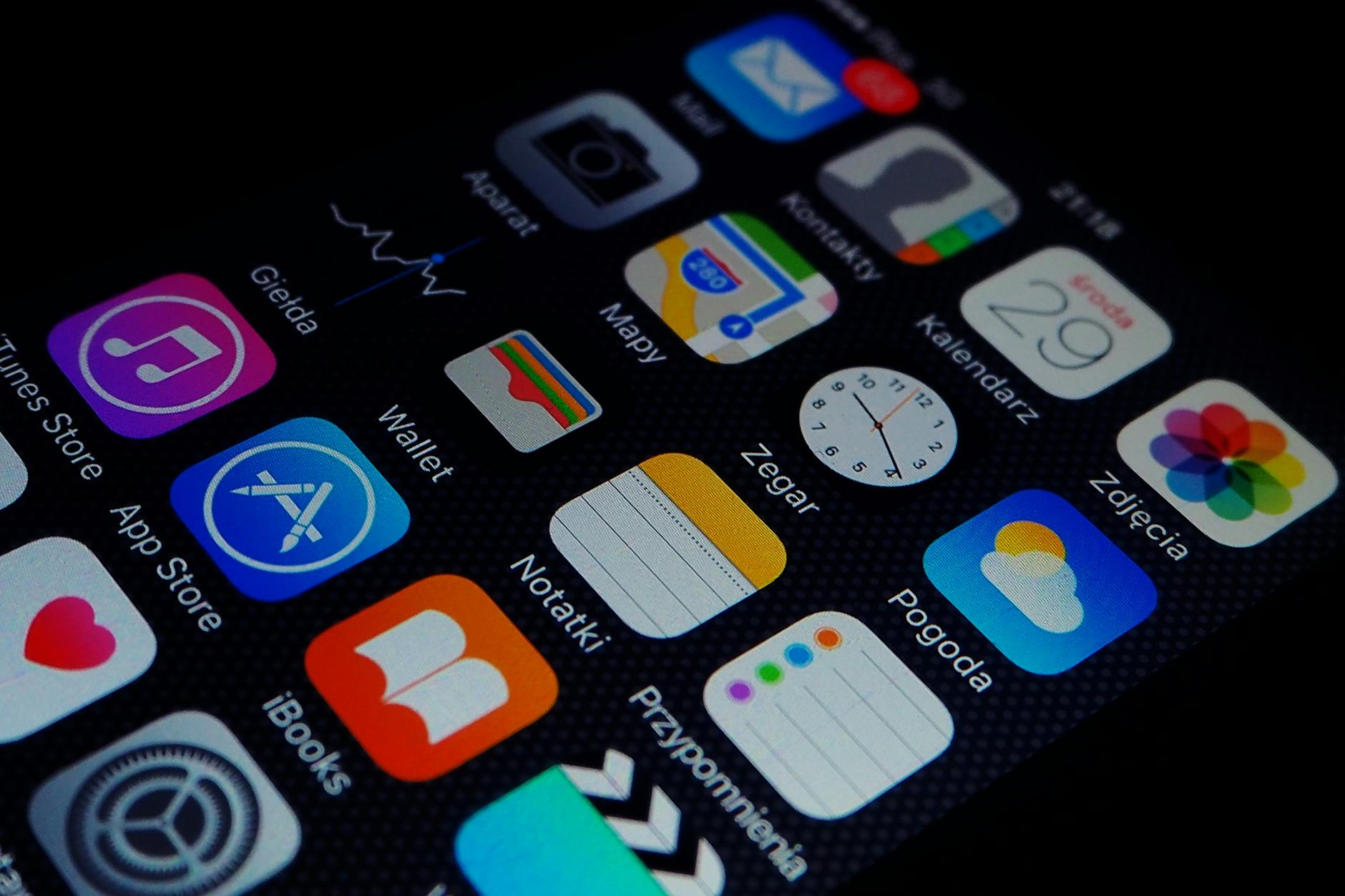
Startups are also innovating. San Francisco-based app ZenSpace offers guided minimalist routines, daily decluttering prompts, and productivity analytics. The app has seen a 200% increase in downloads since January, per App Annie analytics.
Productivity Hacks Gaining Popularity
Popular productivity hacks include the 'One-Touch Rule'—handling each email or task only once—and the '5-Item Rule,' where users limit their daily to-do lists to five critical tasks. These methods are being promoted in company workshops and shared widely on professional networks like LinkedIn.
A study by Stanford University published in February 2026 found that tech workers who adopted minimalist routines experienced a 22% reduction in reported stress levels and a 17% boost in self-reported productivity after three months.
Analysis: Why Minimalism Resonates Now
Experts attribute the minimalist movement’s popularity to the post-pandemic shift in work culture. With hybrid and remote work blurring boundaries, professionals are seeking ways to regain control over their environments and schedules, according to Harvard Business Review.
Mental health professionals note that decluttering physical and digital spaces can reduce cognitive load, making it easier to focus and make decisions. Dr. Priya Singh, a workplace psychologist, told NPR that 'minimalism offers a tangible way to combat decision fatigue and burnout.'
Impact on Workplaces and Home Life

Companies report improved morale and collaboration as a result of minimalist initiatives. Employees say they feel less overwhelmed and more engaged in meetings, as reported by Fast Company. Some have even extended minimalist principles to their home lives, downsizing possessions and simplifying routines.
However, critics warn that minimalism is not a cure-all. Some employees report increased anxiety about maintaining 'perfect' workspaces, and there are concerns about inclusivity for those who rely on personal items for comfort, according to The New York Times.
What’s Next: The Future of Minimalism in Silicon Valley
Industry analysts predict that minimalist living and productivity hacks will continue to shape workplace culture in 2026 and beyond. Tech firms are expected to expand minimalist programs, integrating them with AI-driven personal assistants and wellness platforms.
Startups like ZenSpace are exploring partnerships with major employers to offer company-wide minimalist training. Meanwhile, researchers at Stanford are launching a year-long study to track the long-term effects of minimalist routines on productivity and mental health.
As the movement grows, experts urge companies to focus on flexibility and personalization, ensuring that minimalist practices support, rather than hinder, employee well-being.
Sources
Information for this article was sourced from The Wall Street Journal, TechCrunch, CNBC, The Verge, App Annie, Stanford University, Harvard Business Review, NPR, Fast Company, and The New York Times.
Sources: Information sourced from The Wall Street Journal, TechCrunch, CNBC, The Verge, App Annie, Stanford University, Harvard Business Review, NPR, Fast Company, and The New York Times.