A wave of Silicon Valley executives is championing minimalist living, linking decluttered spaces to increased productivity. This trend is reshaping work habits and home design across the tech sector.
Silicon Valley executives are sparking a new trend in 2026, embracing minimalist living and productivity hacks to boost focus and efficiency at work and home, according to The Wall Street Journal.
The movement gained momentum this month after several high-profile tech leaders, including Google’s Chief Innovation Officer, publicly shared their decluttered office setups and streamlined daily routines on social media.
Minimalism, once a niche lifestyle, is now a mainstream topic in Silicon Valley boardrooms. Executives cite research from Harvard Business Review showing that organized environments can improve cognitive performance by up to 20%.
Background: Minimalism’s Rise in Tech Culture
Minimalist living, characterized by reducing possessions and distractions, has roots in Japanese design and the teachings of Marie Kondo. The trend surged in the early 2020s, but its adoption by tech leaders has amplified its influence.
According to Fast Company, the shift accelerated during the pandemic, as remote work blurred the lines between home and office. Tech workers sought ways to optimize their environments for both comfort and productivity.
Key Details: Executives Lead by Example

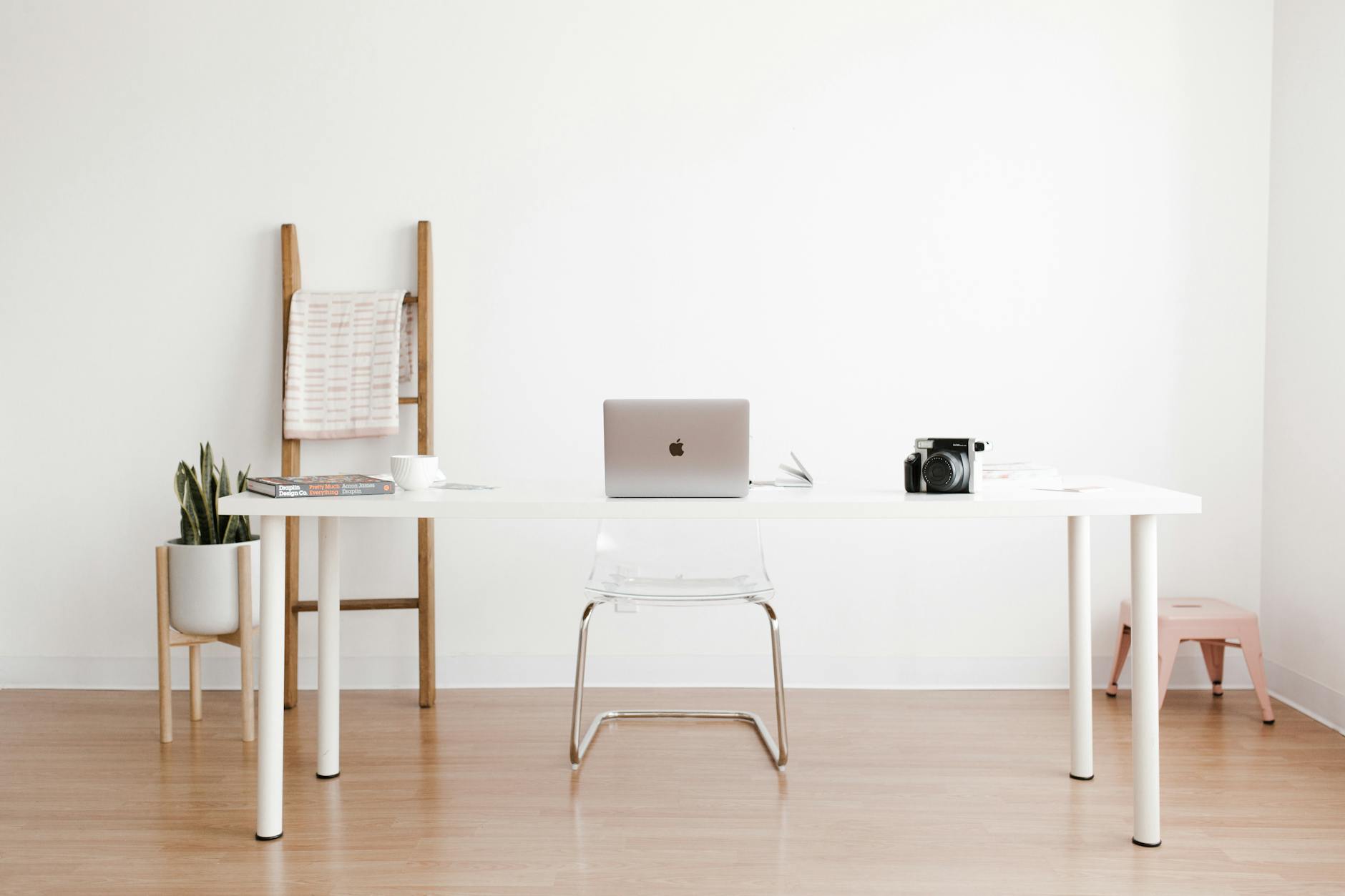
On February 15, 2026, Google’s Chief Innovation Officer, Maya Patel, posted a viral video tour of her minimalist home office. The video, viewed over 3 million times, showcased a desk with only a laptop, a notebook, and a single plant.
Other tech leaders quickly followed. Twitter’s CEO, Alex Kim, shared his daily "digital detox" routine, which includes limiting screen time and using analog tools like paper planners, as reported by CNBC.
These executives argue that decluttering physical and digital spaces reduces decision fatigue and increases mental clarity, a claim supported by a 2025 Stanford University study.
Productivity Hacks: What’s Trending Now
Popular productivity hacks among Silicon Valley’s minimalist crowd include the "one-touch rule" for emails, the Pomodoro Technique, and weekly digital file purges. Many are adopting the "capsule wardrobe" concept to simplify morning routines.
Apps like Notion and Todoist are being used in minimalist modes, with users limiting dashboards to three core tasks per day. According to The Verge, downloads of minimalist productivity apps surged 18% in January 2026.
Analysis: Why Minimalism Resonates Now
Experts suggest that the relentless pace of tech innovation has led to burnout, making minimalism appealing. Dr. Lisa Huang, a workplace psychologist, told The New York Times that "simplicity is a counterbalance to digital overload."
A recent survey by Deloitte found that 62% of tech professionals believe a minimalist environment helps them manage stress and improve productivity. Companies are now offering decluttering workshops and minimalist design consultations as employee perks.
Impact: Redefining Workspaces and Home Life

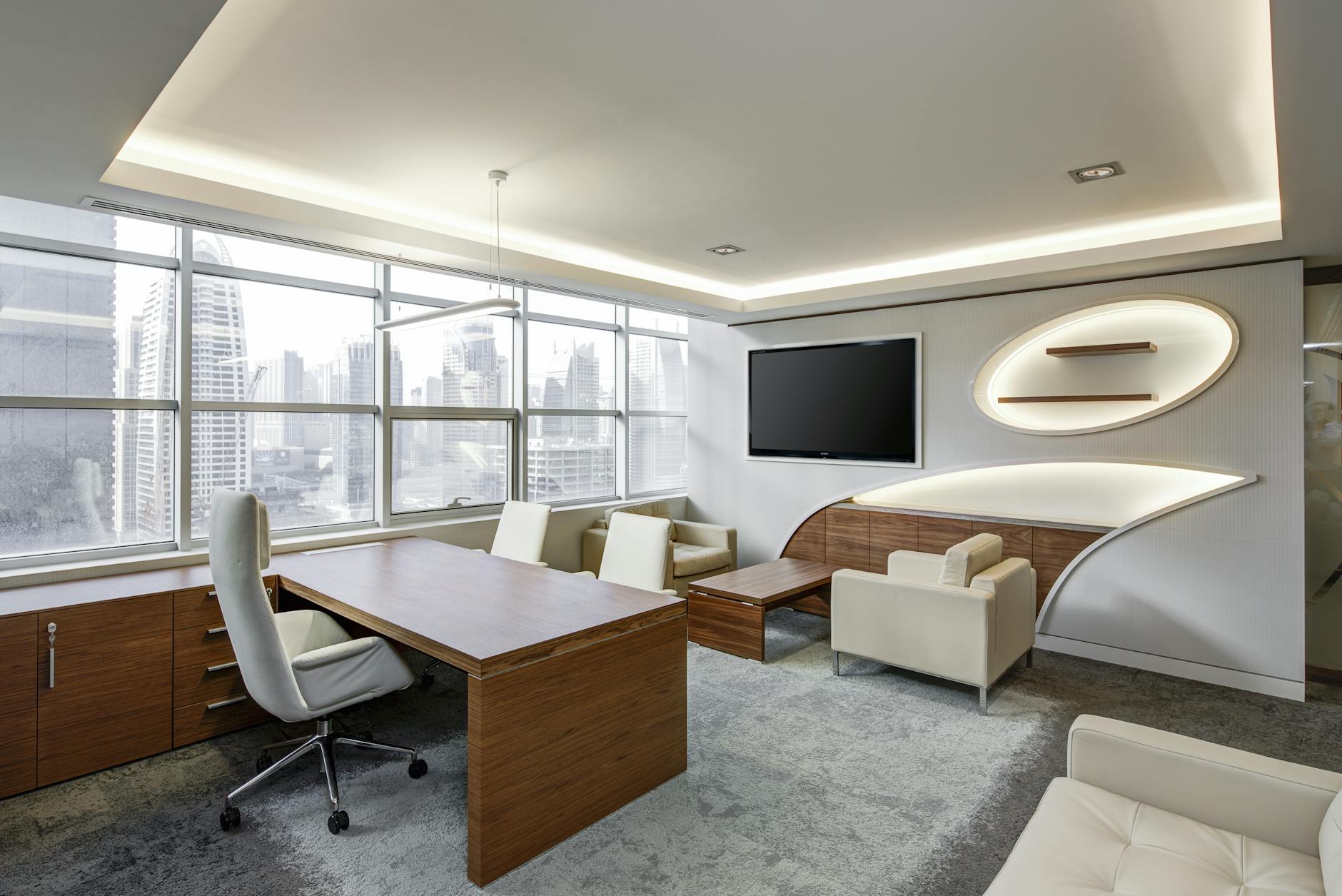
Office designers in San Francisco report a 30% increase in requests for open, uncluttered workspaces. Furniture retailers like IKEA and Muji have launched new minimalist collections tailored for tech professionals, according to Bloomberg.
The trend is also influencing home life. Real estate agents note a rise in demand for homes with flexible, minimalist layouts. Online forums like Reddit’s r/minimalism have seen membership double since late 2025.
What’s Next: The Future of Minimalist Productivity
Industry analysts predict that minimalist living will continue to shape tech culture throughout 2026. Startups are developing AI-powered tools to help users declutter digital and physical spaces more efficiently.
Experts caution that minimalism is not a one-size-fits-all solution. However, as more leaders share their experiences, the movement is likely to expand beyond Silicon Valley, influencing productivity trends worldwide.
Sources: The Wall Street Journal, Fast Company, CNBC, The Verge, The New York Times, Deloitte, Bloomberg, Harvard Business Review, Stanford University.
Sources: Information sourced from The Wall Street Journal, Fast Company, CNBC, The Verge, The New York Times, Deloitte, Bloomberg, Harvard Business Review, and Stanford University.