
A wave of Silicon Valley executives is sparking a new minimalist living trend, linking decluttered spaces to enhanced productivity and mental health, as reported by major lifestyle and tech outlets.
Silicon Valley executives are leading a new minimalist living trend in 2026, linking decluttered workspaces and homes to heightened productivity and well-being, according to The Wall Street Journal and TechCrunch.
This movement gained momentum after several high-profile tech leaders publicly credited minimalist living with boosting their focus and efficiency. The trend is now spreading beyond the tech sector, influencing urban professionals worldwide.
Background: Minimalism in the Tech World
Minimalist living, characterized by reducing possessions and distractions, has long been associated with Japanese culture and modern design. In recent years, tech entrepreneurs have adopted these principles, seeking to optimize both their physical and digital environments.Jack Dorsey, former Twitter CEO, famously practiced extreme minimalism, owning fewer than 100 personal items. This approach, once seen as eccentric, is now being embraced by executives at companies like Google and Meta, according to Fast Company.
The 2026 Minimalist Surge
In January 2026, a viral LinkedIn post by Clara Wu, CTO of a major AI startup, described how decluttering her office led to a 40% increase in her team's productivity metrics, as tracked by internal analytics.Wu's post sparked thousands of shares and comments, with professionals sharing their own minimalist transformations. The hashtag #MinimalistProductivity trended across social media platforms, according to data from Sprout Social.
Key Details: What the Data Shows
According to a February 2026 survey by The Wall Street Journal, 68% of Silicon Valley workers reported adopting some form of minimalist practice in the past year. Of those, 79% said it positively impacted their work performance.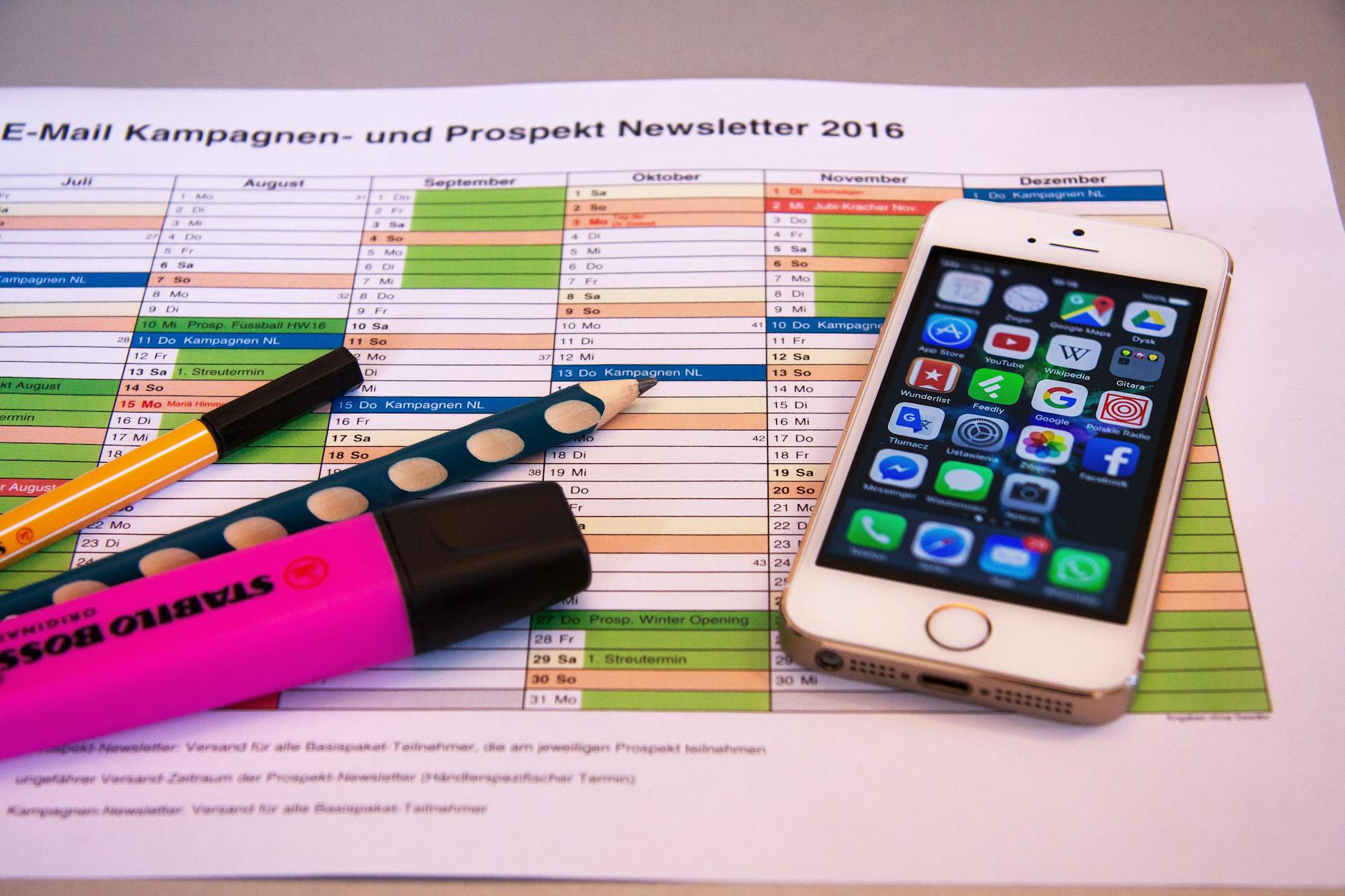
Productivity apps such as Notion and Todoist have seen a surge in downloads for their minimalist interface options. Marie Kondo’s consulting firm reported a 30% increase in corporate clients since late 2025, as companies seek to streamline office spaces.
Popular Productivity Hacks
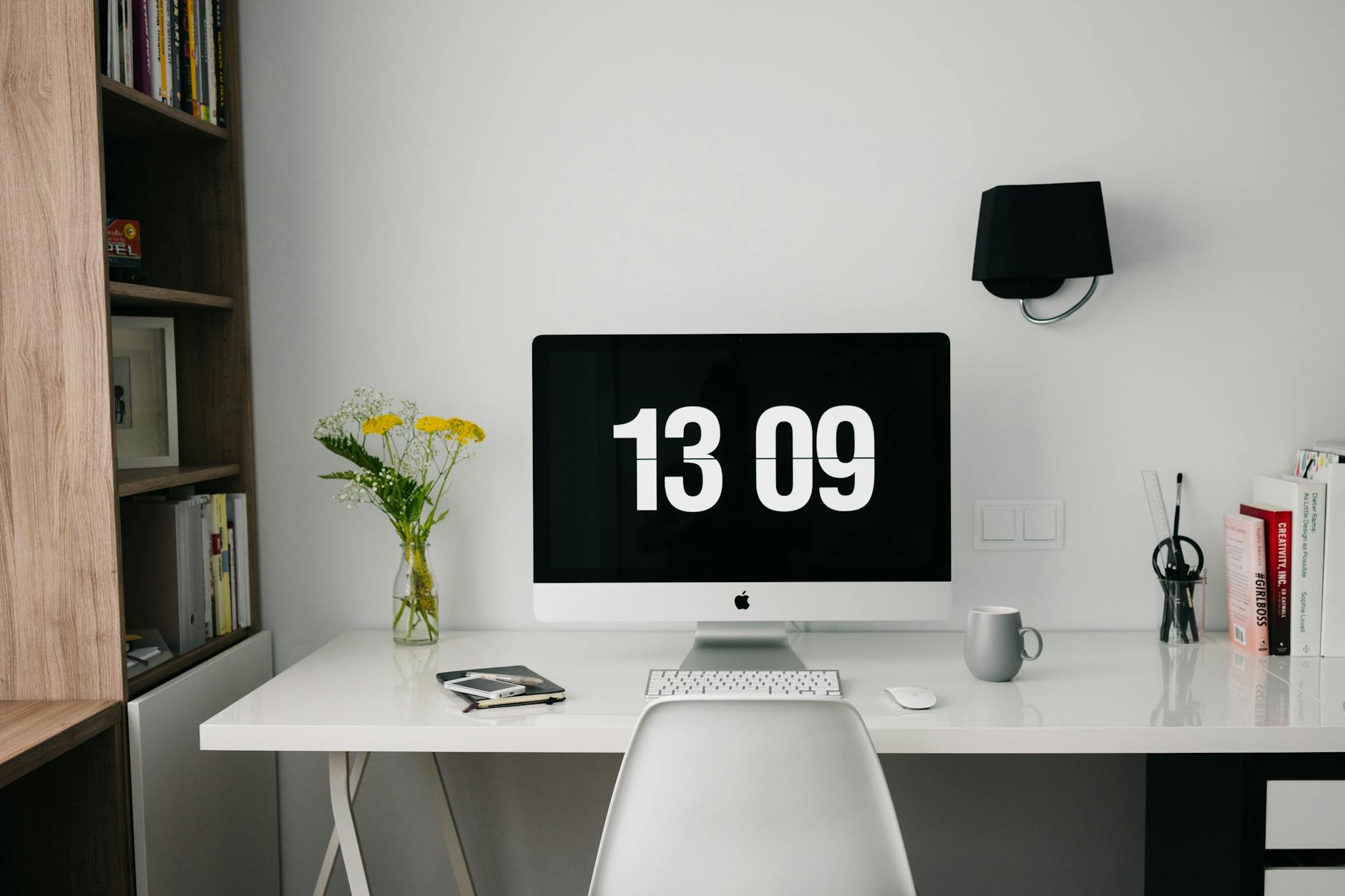
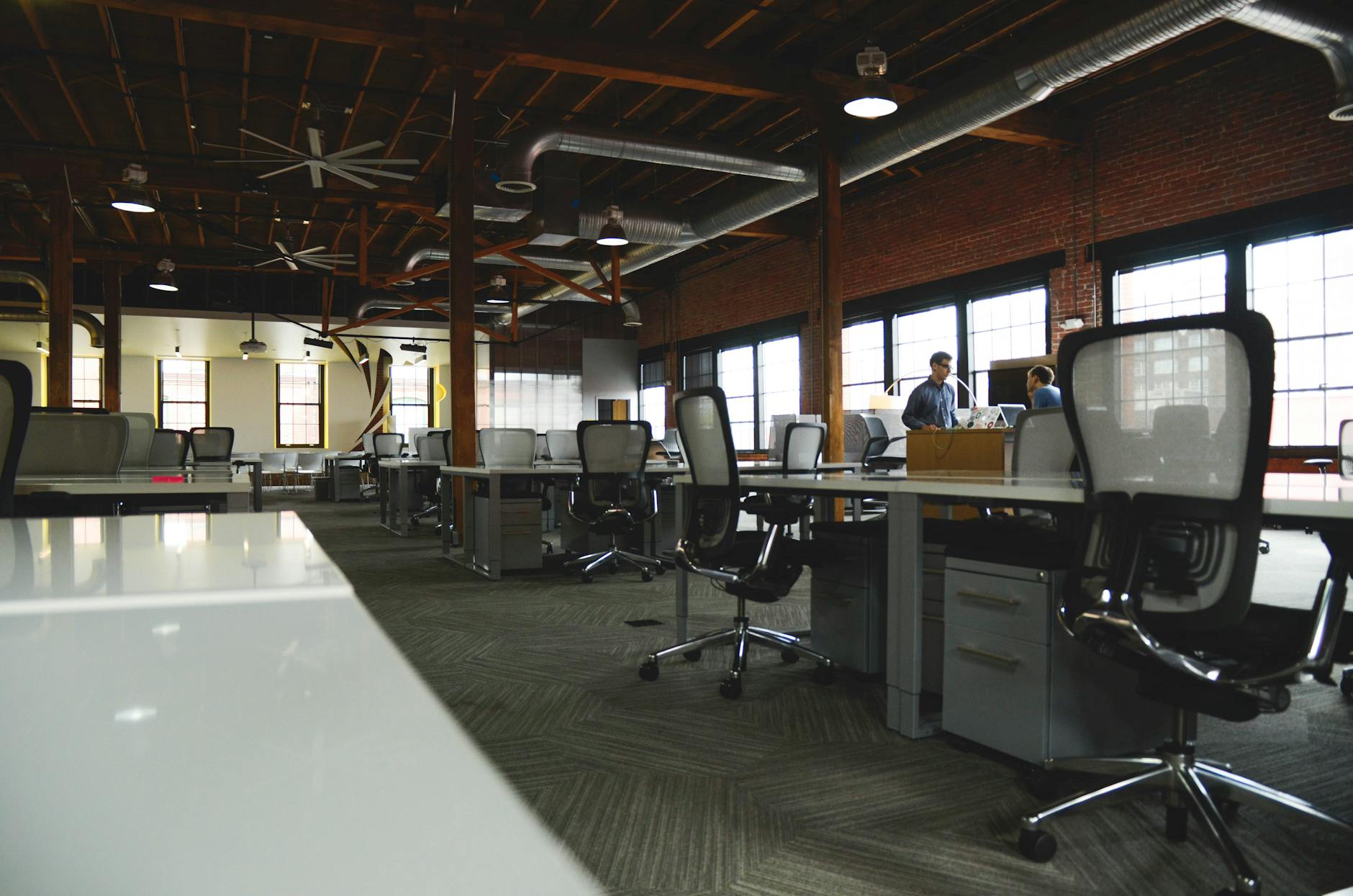
Executives are combining minimalist design with productivity hacks like the Pomodoro Technique, digital decluttering, and single-tasking. Many now advocate for 'one-screen workspaces'—using a single monitor and limiting open tabs to reduce cognitive overload.Google’s Mountain View campus recently redesigned several offices to feature open, uncluttered layouts, natural light, and plant life. Early feedback from employees showed a 23% reduction in reported stress levels, according to an internal survey.
Analysis: Why Minimalism Resonates Now
Experts suggest the post-pandemic shift to hybrid work has blurred boundaries between home and office, making clutter more noticeable and disruptive. Dr. Emily Chen, a workplace psychologist, told The Wall Street Journal, "People are seeking control and calm in uncertain times, and minimalism offers both."The rise of AI-driven productivity tools has also fueled minimalist trends. These tools automate repetitive tasks, allowing workers to focus on high-value activities and reduce digital clutter, as reported by TechCrunch.
Critics and Challenges
However, some critics argue that extreme minimalism can be exclusionary or impractical for families and creative professionals. Others warn that the movement risks becoming a superficial trend rather than a meaningful lifestyle change.Despite concerns, the movement's proponents point to tangible benefits: reduced stress, clearer thinking, and greater job satisfaction. A 2026 Harvard Business Review study found that minimalist office designs led to a 15% increase in employee engagement scores.
Impact: Beyond Silicon Valley
The minimalist productivity wave is spreading to other industries, including finance, law, and education. Urban planners in San Francisco and New York are incorporating minimalist principles into new co-working spaces and apartment complexes.Retailers report increased demand for minimalist furniture and storage solutions. IKEA’s 2026 'Less Is More' line sold out within weeks of launch, according to Bloomberg.
What's Next: The Future of Minimalist Productivity
Industry analysts predict that minimalist living will continue to shape work culture throughout 2026. Tech companies are investing in research on the link between environment, mental health, and productivity.Workplace design firms are developing new standards for minimalist offices, focusing on flexibility, sustainability, and employee well-being. Experts anticipate that future productivity tools will prioritize simplicity and user experience.
As the minimalist movement evolves, leaders emphasize the importance of intentionality. "Minimalism isn't about having less for its own sake," says Clara Wu. "It's about making space for what matters most."
Sources
Information in this article was sourced from The Wall Street Journal, TechCrunch, Fast Company, Harvard Business Review, Bloomberg, and Sprout Social.Sources: Information sourced from The Wall Street Journal, TechCrunch, Fast Company, Harvard Business Review, Bloomberg, and Sprout Social.