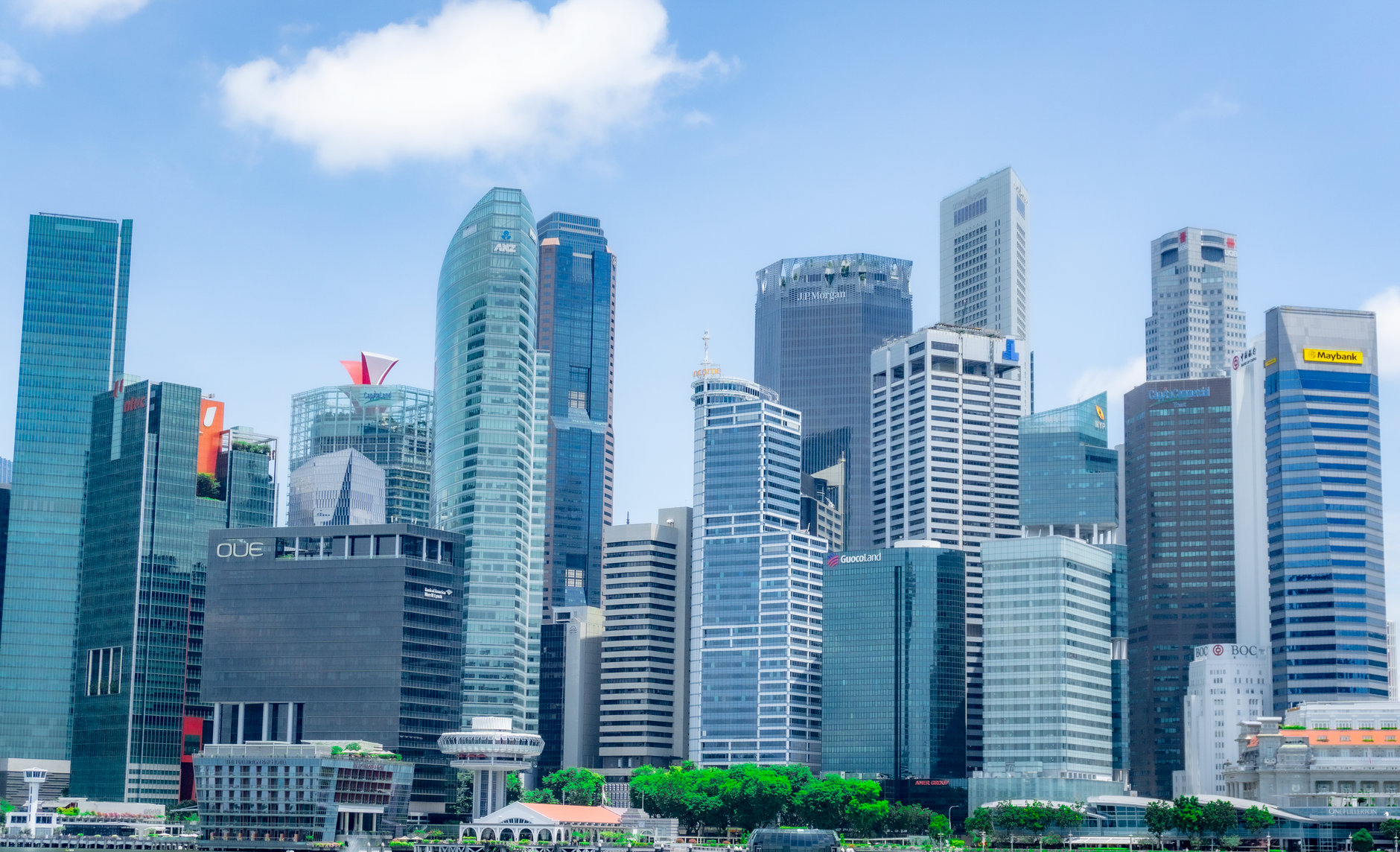
Singapore’s new Tengah district is redefining smart urban development with AI-driven infrastructure, green spaces, and sustainable design. This case study explores its impact, challenges, and global significance.
Singapore has officially opened its highly anticipated Tengah smart city district on July 29, 2026, marking a pivotal moment in urban development and sustainable living, according to Channel NewsAsia and The Straits Times.
Tengah, located in Singapore’s western region, is the city-state’s first new town in over two decades. The development integrates cutting-edge technology, eco-friendly design, and community-centric planning, aiming to set a global benchmark for smart urban living, as reported by The Business Times.

Background: Singapore’s Vision for Smart Urban Growth
Singapore’s urban planning strategy has long prioritized sustainability and innovation. The government’s Smart Nation initiative, launched in 2014, seeks to harness digital technology to improve urban life, according to the Singapore Government Technology Agency.With land scarcity and a dense population, Singapore has consistently sought novel solutions to urban challenges. Tengah’s conception in 2016 was part of a long-term strategy to accommodate population growth while minimizing environmental impact, as detailed in the Urban Redevelopment Authority’s (URA) master plan.
Key Features of the Tengah Smart District
Tengah is designed around five distinct residential districts, each with its own identity and amenities. The district features over 42,000 new homes, extensive parklands, and a car-lite transport system, according to the Housing & Development Board (HDB).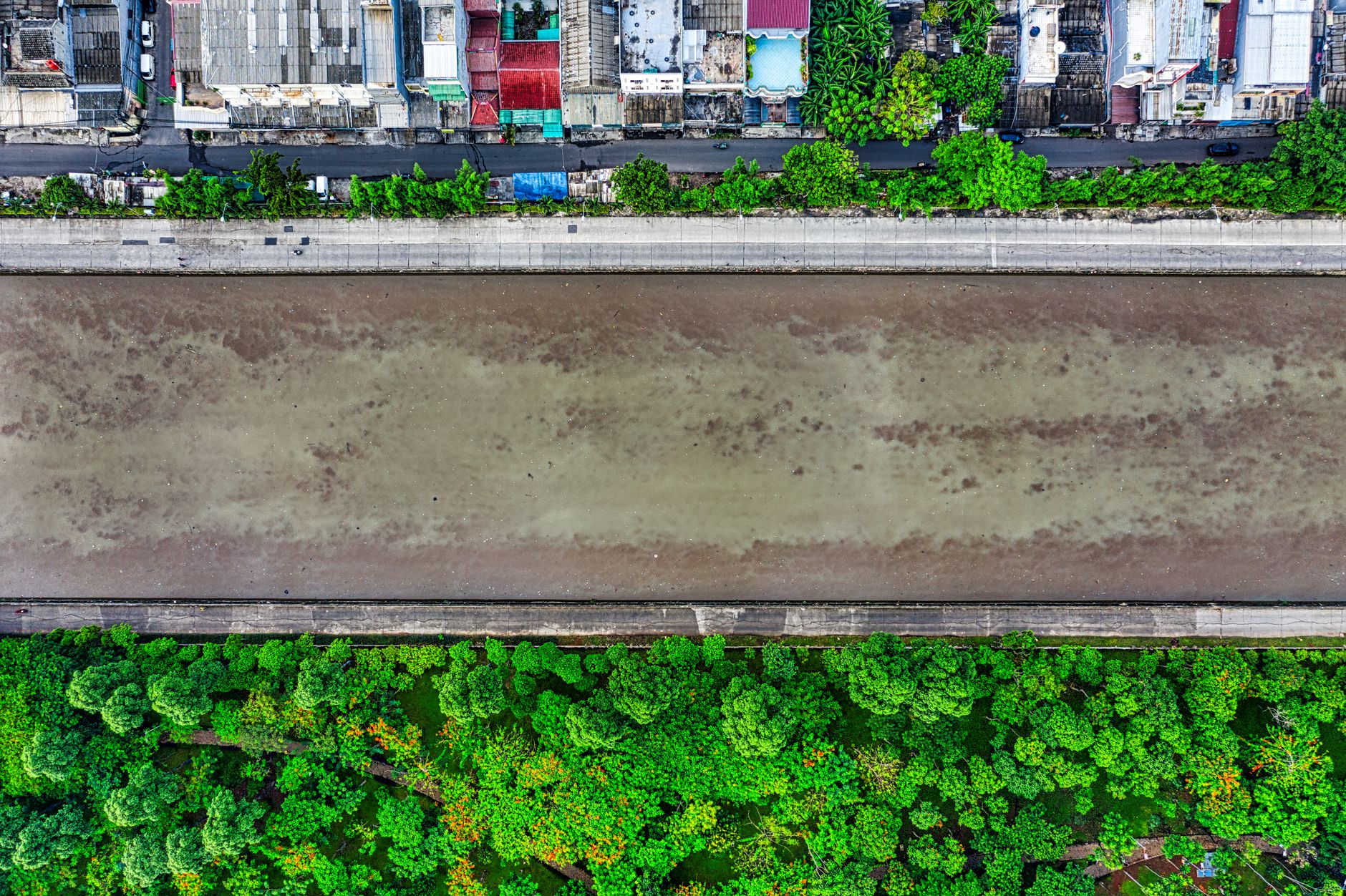
A central feature is the 100-meter-wide Forest Corridor, a green spine connecting nature reserves and providing recreational space. Smart sensors monitor air quality, energy use, and traffic, enabling real-time adjustments to optimize living conditions, as reported by The Straits Times.
Tengah’s buildings are equipped with energy-efficient cooling systems, solar panels, and rainwater harvesting. The district’s infrastructure supports autonomous vehicles, and residents can access shared electric mobility options, according to the Land Transport Authority.
AI and Data-Driven Urban Management
One of Tengah’s standout innovations is its AI-powered town management platform. This system collects data from thousands of sensors to automate lighting, waste collection, and security, as highlighted by Channel NewsAsia.Residents interact with the district’s digital platform via a mobile app, which provides real-time updates on public transport, community events, and environmental conditions. The app also enables residents to report issues or request services, streamlining municipal response times.

Green Living and Sustainability Initiatives
Tengah is Singapore’s first town to implement a centralized cooling system, reducing carbon emissions by up to 30% compared to traditional air conditioning, according to the HDB. All new buildings meet the Green Mark Platinum standard for sustainability.The district’s landscape design maximizes biodiversity, with over 20 hectares of community gardens and urban farms. Residents are encouraged to participate in urban agriculture, supporting local food production and community engagement.
Community Engagement and Social Integration
Planners prioritized inclusivity, with facilities for all ages and abilities. Public spaces are designed to foster social interaction, and digital platforms facilitate community decision-making, as described by the Centre for Liveable Cities.Tengah’s education and healthcare services are digitally integrated, allowing for personalized learning and telehealth options. This approach aims to enhance quality of life and reduce inequalities among residents.
Challenges and Criticisms
Despite its innovations, Tengah faces challenges. Data privacy concerns have been raised regarding the extensive use of sensors and AI, as reported by The Straits Times. Some residents worry about surveillance and potential misuse of personal information.Affordability is another concern. While public housing remains subsidized, the cost of smart infrastructure could drive up maintenance fees, potentially impacting lower-income residents, according to The Business Times.

Global Impact and Replicability
Urban planners worldwide are closely watching Tengah. The district serves as a testbed for scalable smart city solutions, with delegations from Europe, the Middle East, and North America visiting to study its model, according to the World Cities Summit.Experts note that while Singapore’s centralized governance and compact size aid implementation, elements of Tengah’s design—such as AI-driven management and green corridors—could be adapted to other cities facing rapid urbanization.
What’s Next for Tengah and Smart Urbanism?
Over the next five years, Singapore plans to expand Tengah’s digital services, including trialing drone deliveries and further integrating renewable energy sources, as announced by the Ministry of National Development.The government is also investing in resident education to ensure digital literacy and inclusivity. Ongoing feedback from residents will shape future upgrades, ensuring the district remains responsive to evolving needs.
Sources: This article is based on reporting from Channel NewsAsia, The Straits Times, The Business Times, Singapore Government Technology Agency, Urban Redevelopment Authority, Housing & Development Board, Land Transport Authority, Centre for Liveable Cities, and the World Cities Summit.
Sources: Information sourced from Channel NewsAsia, The Straits Times, The Business Times, and official Singapore government agencies.