
Singapore's Punggol Digital District officially opens, showcasing cutting-edge urban development, sustainability, and smart technology integration, setting a new benchmark for smart city projects in Asia.
Singapore, July 10, 2026 — Singapore has officially launched the Punggol Digital District (PDD), a landmark smart city project integrating advanced technology, sustainable urban planning, and digital innovation, according to Channel NewsAsia.
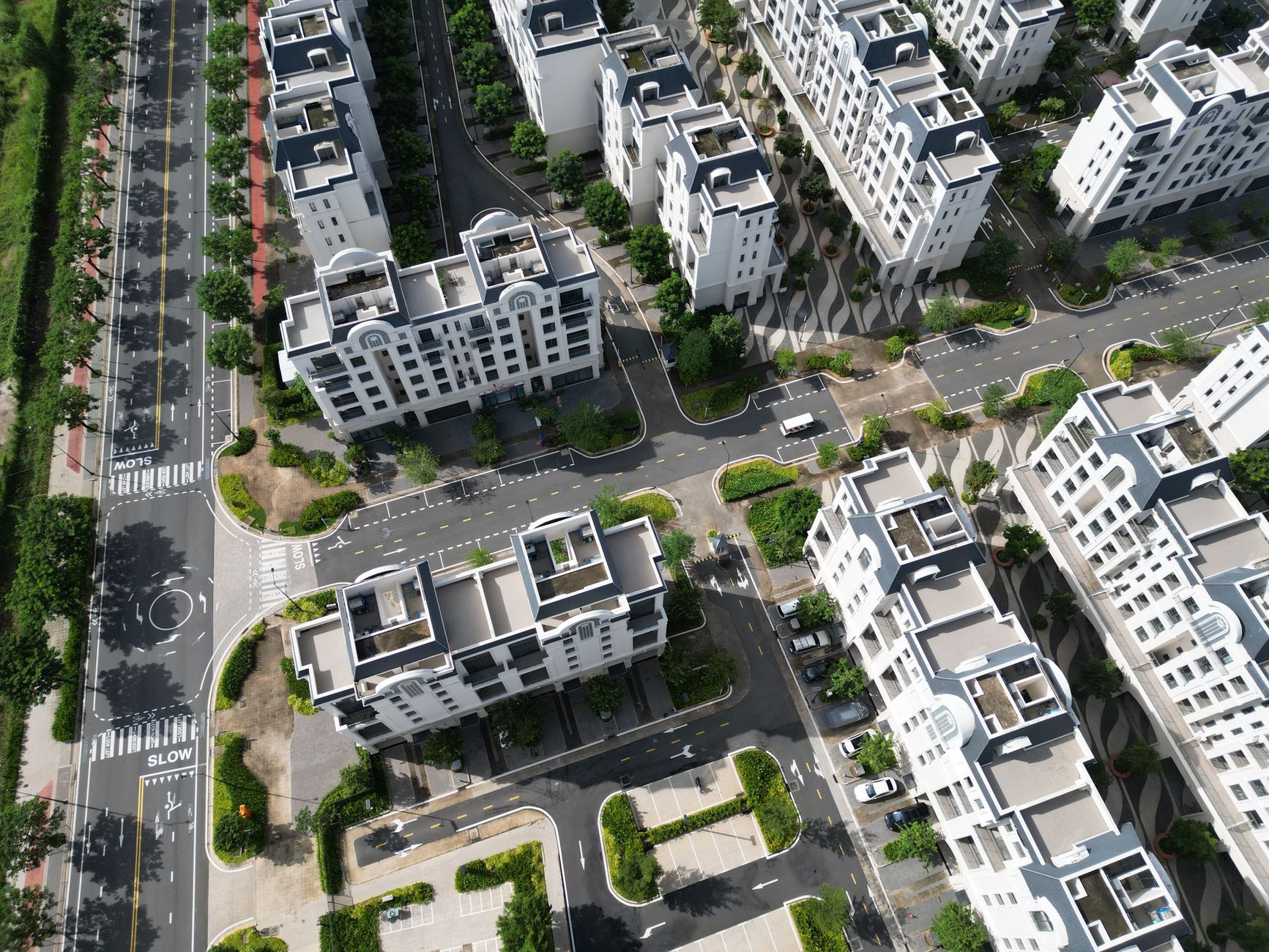
The Punggol Digital District, located in the northeastern region of Singapore, represents a major milestone in the city-state’s Smart Nation initiative. The district aims to create an integrated ecosystem for businesses, residents, and students, blending work, life, and play.

Background: Singapore’s Smart City Vision
Singapore has long been at the forefront of urban innovation. Since launching its Smart Nation initiative in 2014, the government has invested heavily in digital infrastructure, sustainable transport, and urban resilience, as reported by The Straits Times.Punggol was chosen as a testbed for smart city technologies due to its rapid population growth and proximity to research institutions. The district was planned as a next-generation township, integrating digital solutions from the ground up.
Key Features of Punggol Digital District
The district spans 50 hectares and is designed to house over 28,000 workers and 12,000 residents. It features a mix of commercial, educational, and residential spaces, all interconnected by a digital backbone.Smart energy grids, autonomous vehicle lanes, and AI-powered waste management systems are central to the district’s infrastructure. According to the Urban Redevelopment Authority (URA), these technologies aim to reduce energy consumption by 30% compared to conventional districts.
The Singapore Institute of Technology (SIT) campus anchors the district, fostering collaboration between academia and industry. This integration is expected to drive innovation in fields such as cybersecurity, robotics, and urban sustainability.

Green Spaces and Sustainability
Punggol Digital District incorporates more than 10 hectares of green spaces, including the Punggol Promenade and a network of parks and waterways. The district uses smart irrigation and rainwater harvesting to minimize environmental impact, as detailed by Channel NewsAsia.Buildings in PDD are constructed to Green Mark Platinum standards, Singapore’s highest sustainability rating. Rooftop solar panels and district cooling systems further reduce the carbon footprint.
Digital Integration and Connectivity
All infrastructure in PDD is connected via a unified digital platform, allowing real-time monitoring of energy, water, and traffic flows. Residents can access district services through a single mobile app, including booking facilities, reporting issues, and receiving community updates.
Public transport is seamlessly integrated, with driverless buses and on-demand shuttles connecting PDD to the rest of Singapore. The Land Transport Authority (LTA) reports that these services have reduced commuting times by up to 20% since pilot trials began.
Economic and Social Impact
The district is expected to generate 28,000 tech-focused jobs, with a strong emphasis on digital skills and lifelong learning. According to the Economic Development Board (EDB), PDD has already attracted major tech firms, including multinational data centers and local startups.Community engagement is a core part of the project. Residents participate in co-designing public spaces and digital services through regular town halls and online platforms, fostering a sense of ownership and inclusivity.
Challenges and Lessons Learned
Despite its successes, the Punggol Digital District has faced challenges. Data privacy concerns have emerged, prompting the Infocomm Media Development Authority (IMDA) to implement strict cybersecurity protocols and public education campaigns.Affordability is another concern, as rising property values risk pricing out lower-income residents. The Housing & Development Board (HDB) is working to ensure a mix of public and private housing options to maintain social diversity.
Regional and Global Significance
Punggol Digital District is being closely watched by urban planners across Asia and beyond. The World Economic Forum has cited PDD as a model for integrating digital innovation with sustainable urban living.Other cities, including Tokyo, Seoul, and Dubai, are studying Singapore’s approach to smart city development, particularly its emphasis on public-private partnerships and community engagement.
What’s Next for Punggol and Singapore
With the official opening of PDD, Singapore plans to replicate its smart city model in other districts, such as Tengah and Jurong Lake District. The government is also investing in next-generation technologies, including quantum communications and urban robotics.Singapore’s leadership in smart city development is expected to drive regional collaboration, with joint research projects and technology exchanges already underway with ASEAN partners.
Sources
Information for this article was sourced from Channel NewsAsia, The Straits Times, Urban Redevelopment Authority, Economic Development Board, Land Transport Authority, and the World Economic Forum.Sources: Information sourced from Channel NewsAsia, The Straits Times, Urban Redevelopment Authority, Economic Development Board, Land Transport Authority, and the World Economic Forum.