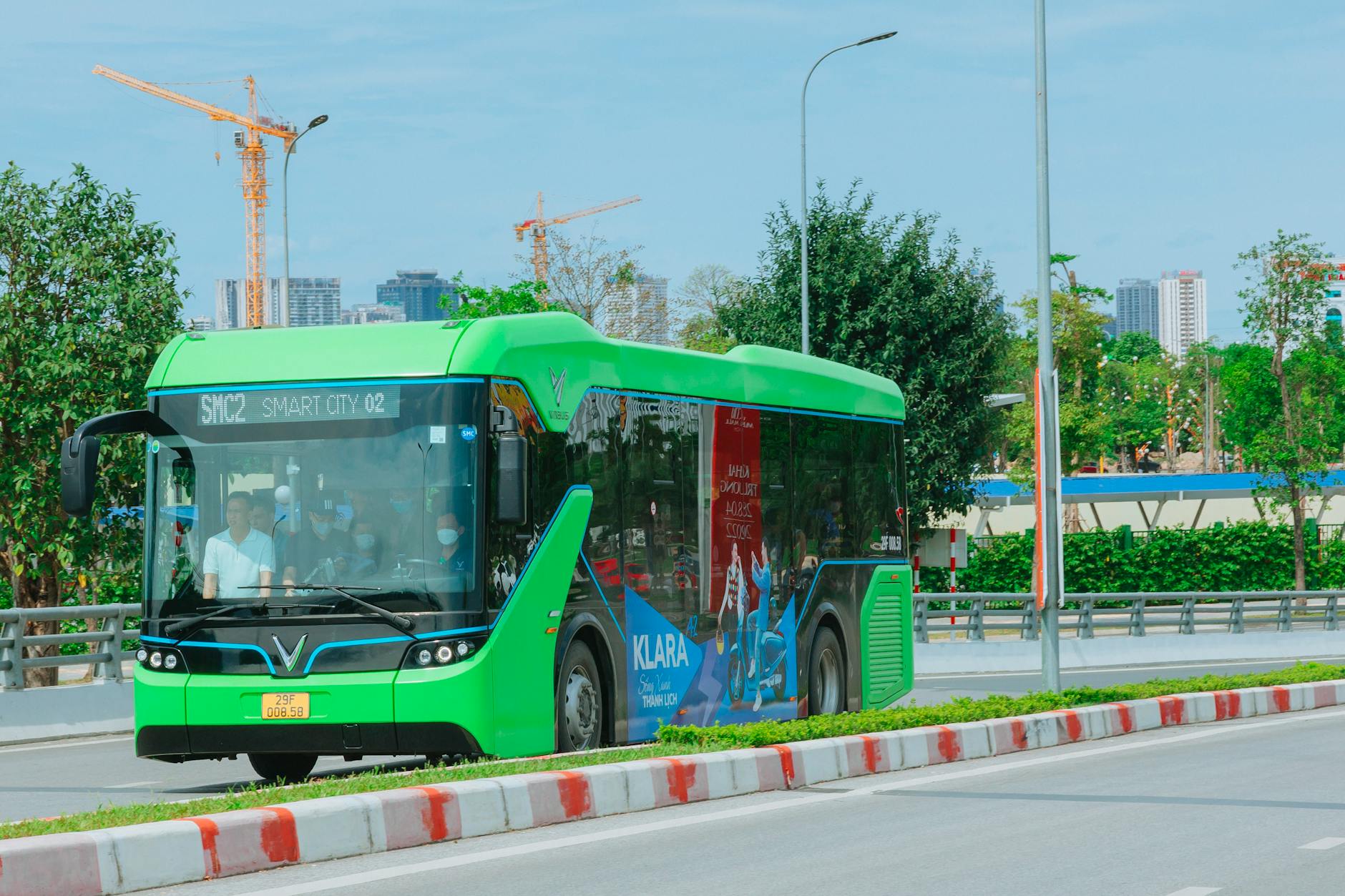
Singapore’s Punggol Digital District launches as a pioneering smart city project, integrating advanced technology, sustainability, and urban planning to shape the future of urban development in Asia.
Singapore officially opened its Punggol Digital District (PDD) on February 17, 2026, marking a major milestone in Asia’s smart city landscape with integrated urban development, sustainability, and digital innovation, according to Channel NewsAsia.
The Punggol Digital District, located in the northeastern region of Singapore, is designed as a testbed for smart city solutions, combining business, education, and residential spaces. The district aims to attract global tech firms, foster research partnerships, and offer a high quality of life for residents.

Launched after nearly a decade of planning and construction, PDD is a joint initiative by Singapore’s JTC Corporation, the Infocomm Media Development Authority (IMDA), and the Singapore Institute of Technology (SIT). The district covers over 50 hectares and is expected to house more than 28,000 workers and 12,000 students, according to The Straits Times.
Background: Singapore’s Smart City Ambitions
Singapore has long been recognized as a leader in urban innovation. The nation’s Smart Nation initiative, launched in 2014, set out to transform Singapore into a global leader in digital technology, sustainability, and urban livability. PDD is the latest flagship project under this vision.
Urban planners in Singapore have consistently focused on integrating technology with infrastructure. The city-state’s compact geography and limited resources have driven the government to adopt smart solutions in transport, energy, and housing, as reported by The Business Times.
Key Features of Punggol Digital District
PDD is unique in its integration of business, education, and community. The district brings together technology firms, the SIT campus, and residential developments, encouraging collaboration and innovation. The district is also designed to be walkable and bike-friendly, with green corridors and public spaces.
One of the standout features is the Open Digital Platform (ODP), which connects building management systems, energy grids, and urban services through a centralized data hub. This enables real-time monitoring of energy use, traffic, and environmental conditions, according to IMDA.

PDD also incorporates advanced sustainability measures. The district uses a district cooling system to reduce energy consumption, solar panels for renewable energy, and smart waste management to optimize collection and recycling. Rainwater harvesting and green roofs further enhance environmental resilience.
Collaboration Between Industry and Academia
The co-location of SIT’s new campus with tech companies is designed to foster research, internships, and talent development. Students and faculty will have direct access to industry partners, facilitating projects in artificial intelligence, cybersecurity, and urban analytics.
According to SIT, the campus will serve as a living lab, where students can test smart city solutions in real-world settings. This approach aims to bridge the gap between academic research and commercial deployment, accelerating innovation cycles.
Economic and Social Impact

The Singapore government projects that PDD will generate over 10,000 new tech jobs and attract more than S$1 billion in private investment over the next five years. Major companies like Google, Grab, and ST Engineering have already announced plans to set up operations in the district.
For residents, PDD promises a high standard of living, with smart homes, efficient public transport, and abundant recreational facilities. The district’s design encourages community engagement through shared spaces, digital amenities, and local events.
Challenges and Criticisms
Despite its promise, PDD faces challenges. Data privacy and cybersecurity are major concerns, given the extensive use of sensors and centralized data platforms. The government has pledged to implement robust safeguards and transparent data governance, as reported by Channel NewsAsia.
Another challenge is ensuring inclusivity. Urban planners are working to make sure that digital services are accessible to all residents, including seniors and low-income families. Training programs and digital literacy initiatives are being rolled out to bridge the digital divide.
Regional and Global Implications
PDD has drawn international attention as a model for future urban development. Delegations from cities across Asia and Europe have visited the district to study its approach to smart infrastructure, sustainability, and public-private collaboration, according to The Straits Times.
Analysts say PDD’s success could influence urban planning strategies in other rapidly urbanizing regions. Its emphasis on integrated planning, digital platforms, and sustainable design aligns with the United Nations’ Sustainable Development Goals for cities.
What’s Next for Punggol Digital District?
With its official opening, PDD will continue to evolve as new technologies emerge. Authorities plan to expand the district’s digital infrastructure, deepen industry-academia partnerships, and scale successful solutions to other parts of Singapore.
The government has also announced plans to integrate autonomous vehicle trials, 5G networks, and advanced robotics into PDD over the next two years. These initiatives are expected to further cement Singapore’s position as a global smart city leader.
Conclusion
Singapore’s Punggol Digital District stands as a case study in effective urban development and smart city integration. Its blend of technology, sustainability, and community provides a blueprint for cities worldwide seeking to balance growth, innovation, and livability.
Sources: Channel NewsAsia, The Straits Times, The Business Times, Infocomm Media Development Authority, Singapore Institute of Technology.
Sources: Information sourced from Channel NewsAsia, The Straits Times, The Business Times, IMDA, and SIT reports.