
Singapore's Smart Nation initiative accelerates in 2026, integrating AI, IoT, and green tech across urban infrastructure. This case study examines its progress, challenges, and global implications.
Singapore’s Smart Nation initiative reached a pivotal milestone in April 2026, unveiling new AI-driven urban systems and sustainable infrastructure upgrades that position the city-state as a global leader in smart city development, according to Channel NewsAsia.
The Smart Nation initiative, launched in 2014, aims to transform Singapore into a hyper-connected, data-driven metropolis. In 2026, the government announced the completion of Phase III, which integrates artificial intelligence, Internet of Things (IoT), and green technologies across public services and infrastructure.

Background: Building a Smart City from the Ground Up
Singapore’s urban development strategy has long focused on sustainability, efficiency, and resilience. The Smart Nation program was conceived to address challenges such as land scarcity, population density, and climate change, while boosting economic competitiveness.According to The Straits Times, Singapore invested over SGD 2 billion in smart city technologies between 2019 and 2025. The investment targeted areas like intelligent transport, digital healthcare, and energy-efficient buildings, laying the groundwork for the 2026 rollout.
Key Features of the 2026 Smart Nation Rollout
Phase III of the initiative introduced a city-wide AI command center, which manages traffic flow, public safety, and energy distribution in real-time. The system leverages over 100,000 IoT sensors deployed across the city, as reported by Reuters.Smart traffic lights, powered by machine learning, now adapt to real-time congestion patterns, reducing average commute times by 18%, according to the Land Transport Authority. Meanwhile, autonomous buses and on-demand shuttles have expanded to all major districts.
Digital healthcare platforms, including remote patient monitoring and AI-driven diagnostics, have been integrated with public hospitals. The Ministry of Health states that telemedicine usage increased by 35% year-on-year in 2025, improving access for elderly and mobility-impaired residents.
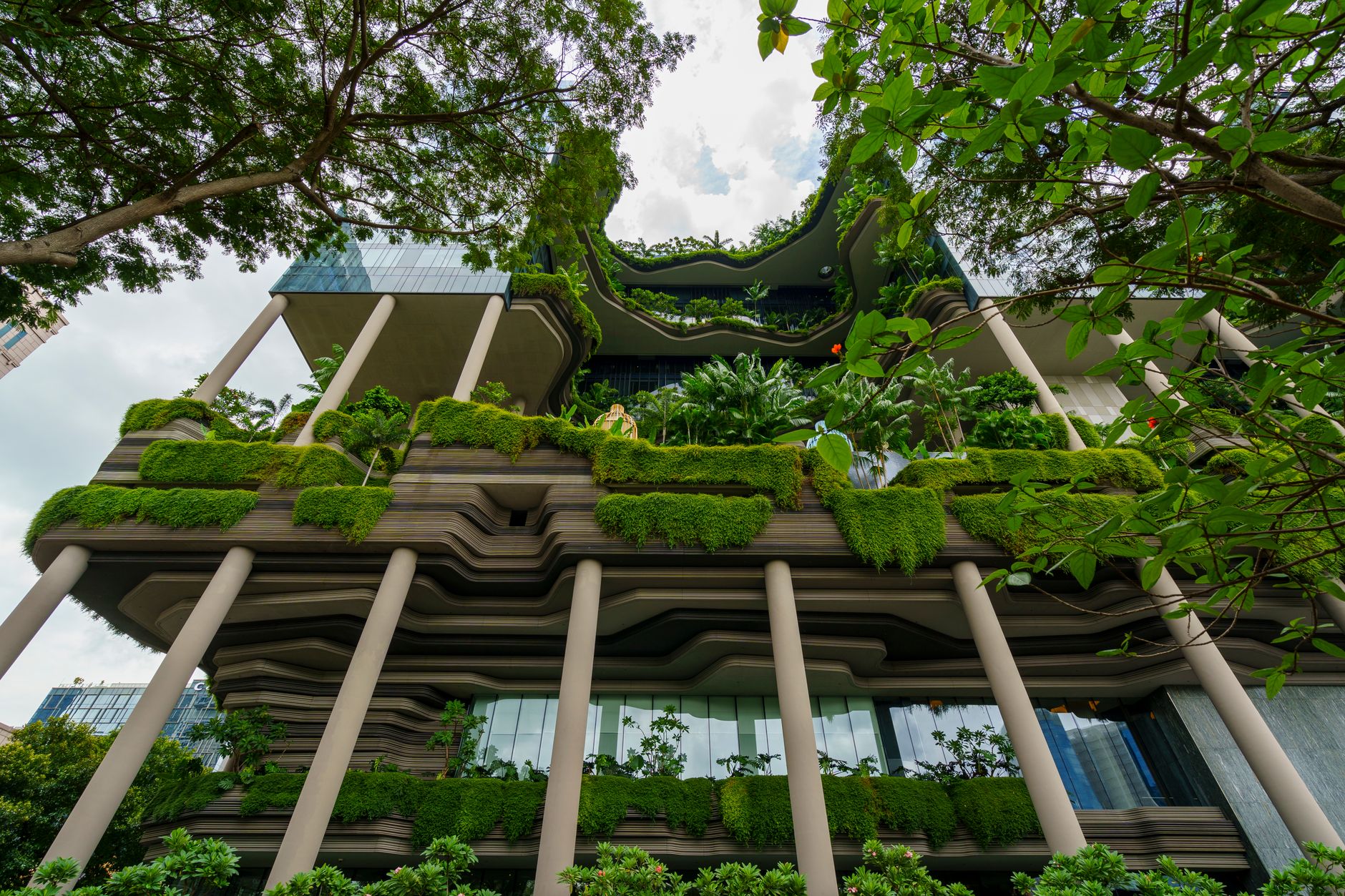
Green Urban Infrastructure and Sustainability
Singapore’s smart city push is closely tied to its Green Plan 2030. In 2026, the city achieved a 12% reduction in carbon emissions from public buildings, thanks to smart energy management and solar panel installations, according to the National Environment Agency.The city’s water management system now uses AI to predict demand spikes and optimize distribution, reducing water loss by 8%. Rooftop gardens and vertical farms, monitored by IoT sensors, have expanded food resilience and urban biodiversity.
Challenges and Criticisms
Despite its successes, the Smart Nation initiative faces challenges. Privacy advocates have raised concerns about pervasive surveillance and data security. The Personal Data Protection Commission reported a 22% increase in data breach complaints in 2025.Digital inequality remains a concern, particularly among lower-income and elderly populations. The government responded with digital literacy campaigns and subsidies for smart devices, but some residents report difficulties adapting to rapid technological changes.
Economic Impact and Job Market Shifts
The smart city transformation has generated new jobs in AI, data analytics, and green engineering. According to the Ministry of Manpower, over 15,000 positions were created in 2025 alone. However, automation has displaced some roles in transport and administration.To address workforce disruption, Singapore expanded its SkillsFuture program, offering retraining grants and AI literacy courses. The World Economic Forum cited Singapore as a model for proactive workforce adaptation in its 2026 Future of Jobs report.

Global Implications and Replicability
Singapore’s Smart Nation initiative has drawn attention from urban planners worldwide. Delegations from Tokyo, Dubai, and Helsinki visited Singapore in early 2026 to study its integrated approach to urban technology and policy.Experts from the United Nations Human Settlements Programme (UN-Habitat) highlighted Singapore’s success in balancing innovation with inclusivity. However, they caution that replicating the model requires strong governance, public trust, and sustained investment.
What’s Next for Singapore’s Smart Nation?
The government announced plans for Phase IV, focusing on quantum-safe cybersecurity, AI ethics, and climate resilience. Pilot projects include AI-powered flood prevention and next-generation digital identity systems.Public consultations are scheduled throughout 2026 to gather feedback on privacy, accessibility, and sustainability. The government aims to ensure that technological progress benefits all residents and aligns with Singapore’s social compact.
Conclusion: A Living Laboratory for Urban Innovation
Singapore’s Smart Nation initiative in 2026 stands as a living laboratory for urban innovation. Its successes and setbacks offer valuable lessons for cities seeking to harness technology for sustainable, inclusive growth.Sources
Key information for this article was drawn from Channel NewsAsia, The Straits Times, Reuters, the Land Transport Authority, the Ministry of Health, the National Environment Agency, the Ministry of Manpower, and the World Economic Forum.Sources: Information sourced from Channel NewsAsia, The Straits Times, Reuters, and official Singapore government agency reports.