
Background: NEP 2020 and Its Vision
The National Education Policy 2020, approved by the Union Cabinet in July 2020, aims to transform India's education system by 2030. NEP 2020 emphasizes holistic, multidisciplinary learning, early childhood care, and foundational literacy and numeracy. The policy also advocates for mother tongue instruction, flexible subject choices, and a shift from rote learning to conceptual understanding, as reported by the Ministry of Education.
States Lead the Charge in 2026
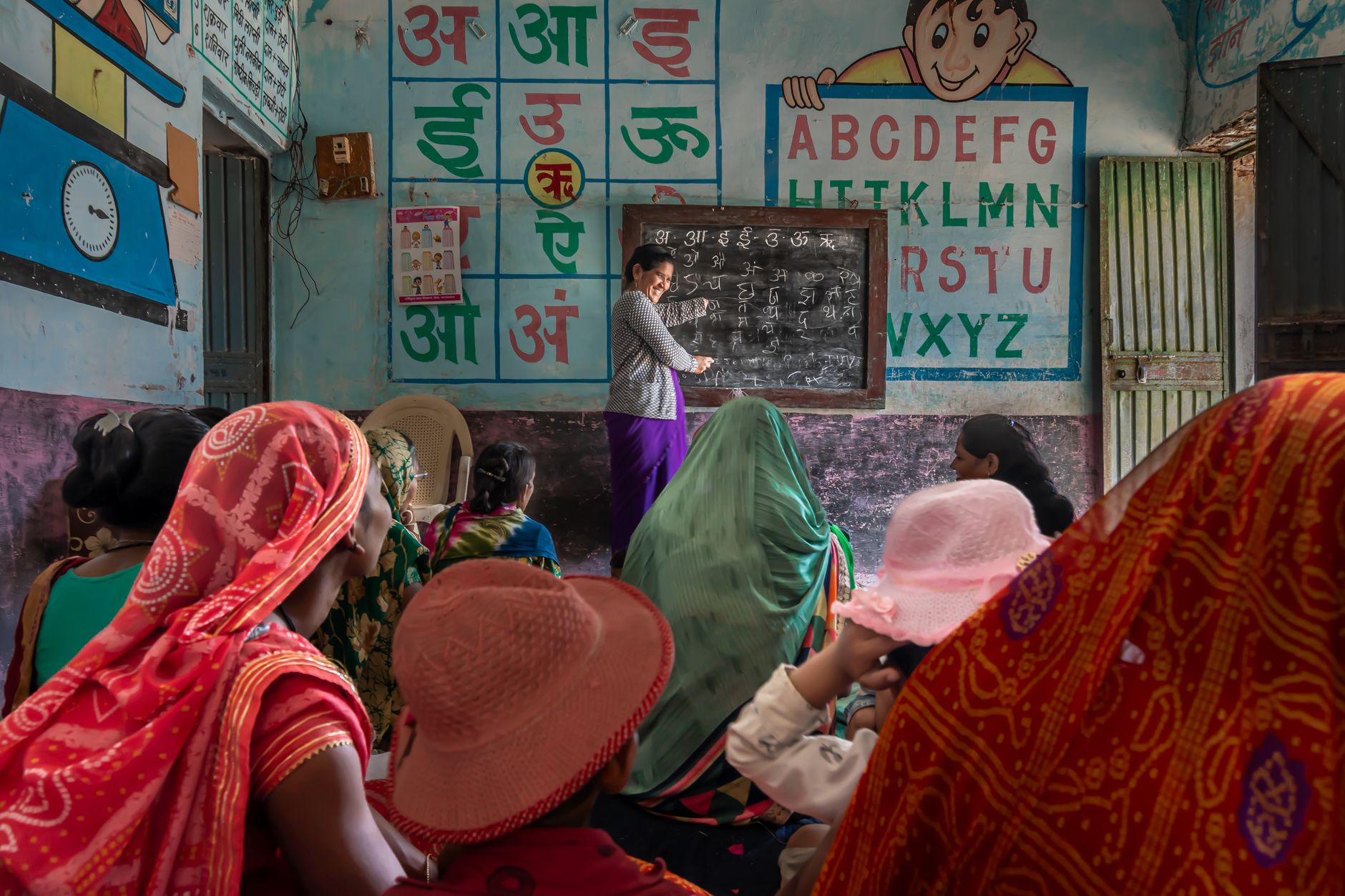
This week, state governments have accelerated their NEP rollouts. Uttar Pradesh’s education department announced a revised curriculum for Classes 1 to 5, focusing on foundational literacy and numeracy, as per Hindustan Times. Maharashtra has begun piloting a new three-language formula and project-based assessments in 500 schools, while Karnataka has introduced vocational modules at the secondary level.
Curriculum Overhaul: What’s Changing?
The new curriculum frameworks, released on July 22, 2026, align with the National Curriculum Framework for School Education (NCF-SE) 2023. Key changes include reduced syllabus load, integration of arts and sports, and the introduction of coding and financial literacy from Class 6, according to the Press Information Bureau.
Assessment patterns are also shifting. Instead of annual high-stakes exams, students will now face regular formative assessments and portfolio-based evaluations. This aims to reduce exam stress and foster continuous learning, as stated by the Central Board of Secondary Education (CBSE).
Teacher Training and Digital Infrastructure
States are investing heavily in teacher capacity building. Maharashtra has launched a digital teacher training portal, with over 200,000 teachers registered for NEP-aligned modules, according to The Indian Express. Uttar Pradesh is conducting in-person workshops across all districts, focusing on activity-based pedagogy and inclusive education.

Digital infrastructure is a priority. Karnataka has distributed 50,000 tablets to government school teachers and students, and is expanding smart classroom initiatives. The Ministry of Education has allocated Rs 1,200 crore for state-level digital upgrades in 2026-27, as per the Union Budget documents.
Language Policy: Three-Language Formula in Action
Maharashtra and Uttar Pradesh are among the first large states to implement the three-language formula, with English, Hindi, and a regional language as mandatory subjects. According to The Hindu, this move aims to promote multilingualism and preserve local languages, though it has sparked debates in some districts over language preferences.
Some parents and educators in urban centers have expressed concerns about the additional language workload, while rural stakeholders welcome the emphasis on mother tongue instruction. State officials have promised flexibility and support for students struggling with new language requirements.
Vocational Education Gains Momentum
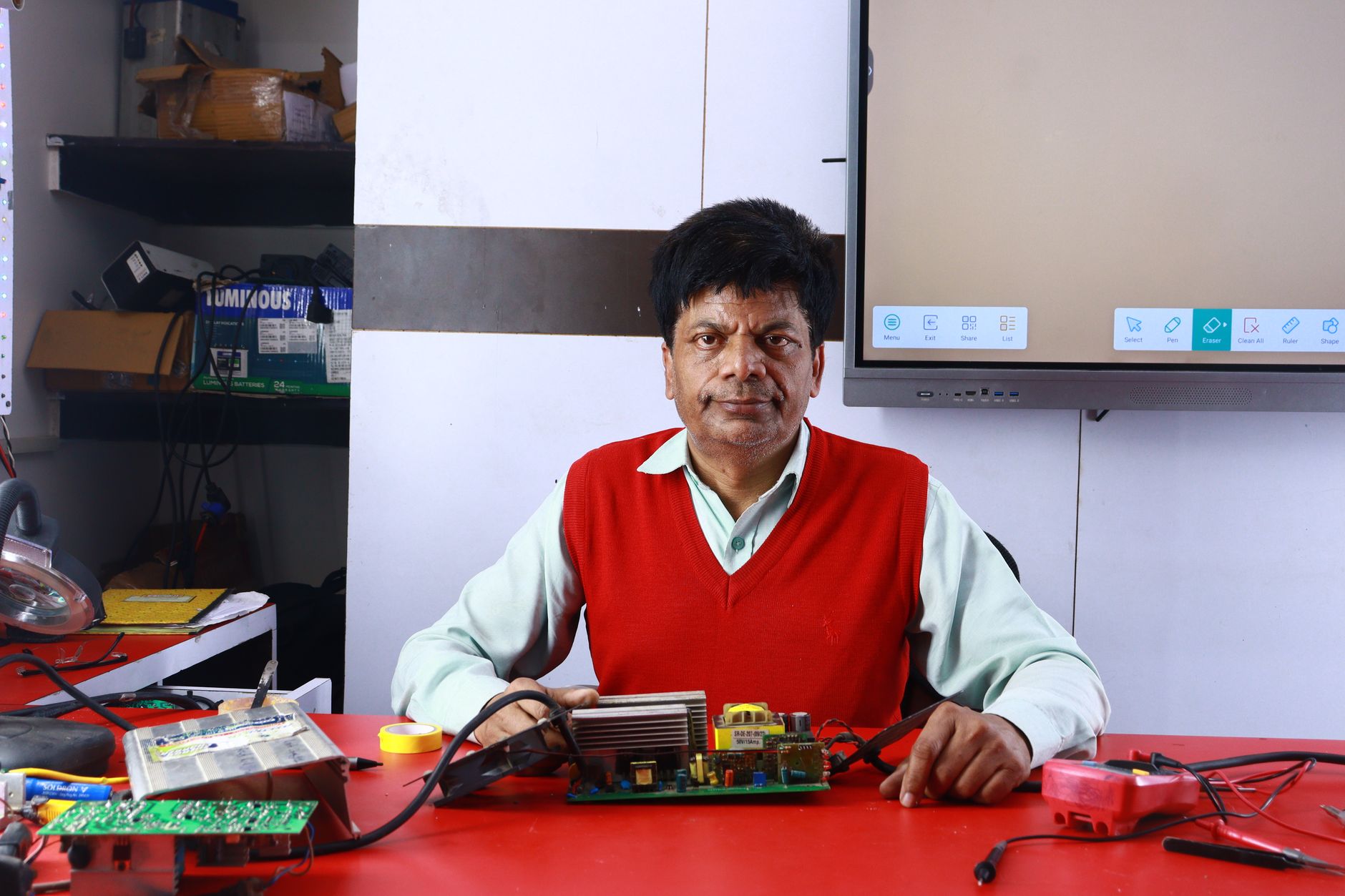
Karnataka’s rollout of vocational modules in secondary schools is being closely watched nationwide. Over 1,000 schools have introduced courses in agriculture, electronics, and hospitality, with industry partners providing hands-on training, according to The Times of India. Early feedback from students and teachers has been positive, citing increased engagement and practical skill development.
The Ministry of Skill Development and Entrepreneurship has announced plans to expand vocational offerings to all states by 2027, aiming to reach 10 million students annually. This aligns with NEP 2020’s goal of integrating vocational education at all levels.
Challenges: Infrastructure and Equity
Despite progress, states face significant challenges. According to a UNICEF report released this month, rural schools continue to struggle with inadequate infrastructure, teacher shortages, and limited digital access. The report highlights disparities between urban and rural implementation of NEP reforms.
State officials acknowledge these gaps and have requested additional central funding. The Ministry of Education has promised targeted interventions for under-resourced districts, including mobile learning labs and community teacher programs.
Stakeholder Reactions
Reactions from educators, parents, and students have been mixed. While many praise the focus on holistic learning and reduced exam pressure, some teachers express concerns about the pace of change and the need for more training. Parent associations in Maharashtra and Uttar Pradesh have called for clearer communication and support during the transition, as reported by NDTV.
Student feedback has been largely positive, especially regarding new subjects and project-based learning. However, some students in rural areas report difficulties accessing digital resources, highlighting the need for continued investment in infrastructure.
Central Government Oversight
The Ministry of Education has set up a national task force to monitor NEP implementation across states. Monthly progress reports are being collected, and states lagging behind have been asked to submit action plans by August 2026, according to the Press Information Bureau.
Union Education Minister Dharmendra Pradhan stated in a press briefing on July 23, 2026, that the government remains committed to achieving full NEP rollout by 2030, with annual reviews and mid-course corrections as needed.
What’s Next?
Looking ahead, states plan to expand NEP reforms to higher secondary and undergraduate levels in the 2027-28 academic year. The National Testing Agency is developing new assessment tools aligned with NEP principles, and the University Grants Commission is revising undergraduate curricula to promote multidisciplinary learning, as reported by The Economic Times.
Experts suggest that sustained funding, teacher support, and community engagement will be critical to the long-term success of NEP 2020. The coming months will test the resilience and adaptability of India’s education system as it undergoes its most significant transformation in decades.
Sources
This article is based on information from The Hindu, The Indian Express, Hindustan Times, Press Information Bureau, NDTV, The Times of India, UNICEF, and official Ministry of Education documents.
Sources: Information sourced from The Hindu, The Indian Express, Hindustan Times, Press Information Bureau, NDTV, The Times of India, UNICEF, and Ministry of Education reports.