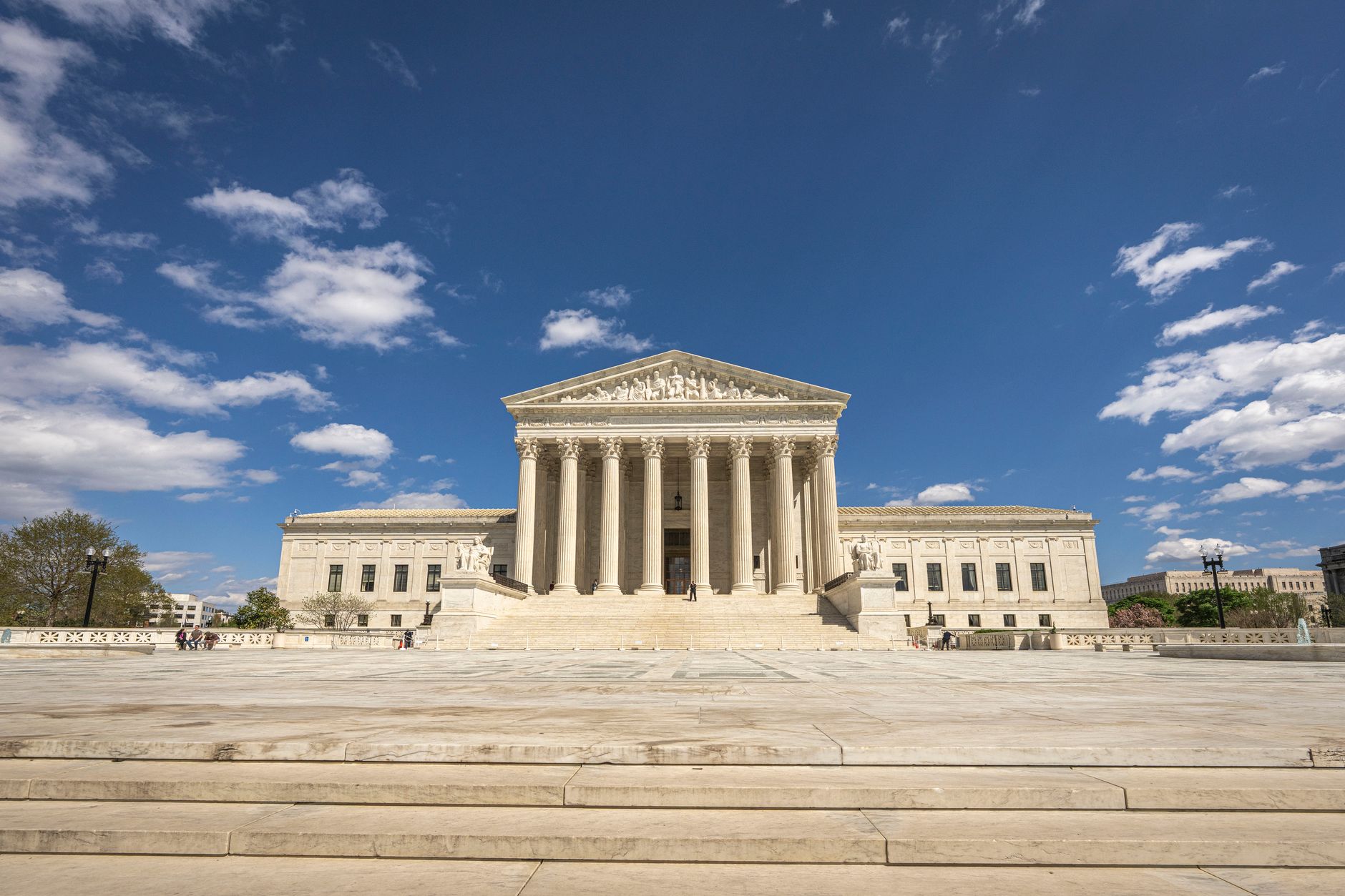
The U.S. Supreme Court’s decision in the TechGiant antitrust case reshapes digital marketplace regulations, setting new precedents for Big Tech accountability and consumer protection across the nation.
Washington, D.C., July 23, 2026 — In a historic decision, the U.S. Supreme Court ruled today against TechGiant Inc., upholding the federal government’s antitrust lawsuit and imposing sweeping remedies that will impact the digital economy for years to come, according to Reuters.
The case, United States v. TechGiant, has dominated headlines since the Department of Justice (DOJ) first filed suit in 2023, alleging that TechGiant abused its dominant position in online search and digital advertising to stifle competition, as reported by The New York Times.

After years of legal battles and appeals, the Supreme Court’s 6-3 decision affirms lower court findings that TechGiant engaged in exclusionary practices, violating the Sherman Antitrust Act. The ruling mandates structural changes and increased oversight of the company’s business operations.
Background: The Genesis of the Case
The DOJ’s lawsuit against TechGiant began in October 2023, following a multi-year investigation into the company’s business practices. The government accused TechGiant of leveraging its dominance in search to suppress rivals and maintain monopoly power, according to DOJ press releases.
At the heart of the case were exclusive agreements between TechGiant and device manufacturers, which, the DOJ argued, locked out competitors and limited consumer choice. The company’s advertising platform was also scrutinized for allegedly disadvantaging smaller firms, as noted by The Wall Street Journal.
Key Legal Arguments and Trial Developments
TechGiant’s defense centered on claims that its products were popular due to superior quality, not anticompetitive conduct. The company argued that consumers could easily switch services and that its contracts with partners were lawful and standard in the industry.

However, government attorneys presented internal emails and data showing TechGiant executives actively sought to exclude rivals and maintain market share through restrictive agreements. According to court filings, TechGiant controlled over 85% of the U.S. search market in 2023.
During the trial, expert witnesses testified that TechGiant’s practices raised barriers to entry for competitors, resulting in higher prices for advertisers and less innovation for consumers. The trial judge sided with the DOJ in 2025, a decision TechGiant promptly appealed to the Supreme Court.
Supreme Court’s Reasoning and Decision
In the majority opinion, Chief Justice Elena Martinez wrote that TechGiant’s conduct constituted ‘willful maintenance of monopoly power’ and that the company’s exclusive contracts harmed both competition and consumers. The Court emphasized the need to preserve open digital markets.
The dissenting justices argued that the ruling could stifle innovation and penalize success, warning of unintended consequences for the broader tech sector. Nevertheless, the majority found the evidence of anticompetitive intent and effect to be overwhelming.
Remedies and Structural Changes Ordered
The Supreme Court upheld the lower court’s remedies, including the unwinding of exclusive contracts, mandatory licensing of certain technologies, and the appointment of an independent monitor to oversee TechGiant’s compliance for at least five years, according to Bloomberg.
Additionally, the company must submit regular reports to the DOJ and allow periodic audits of its business practices. Failure to comply could result in further sanctions or even forced divestitures.
Industry and Consumer Impact

Industry analysts predict the ruling will reshape the digital advertising and search markets. Rivals such as FindIt and AdSphere have already announced plans to expand their offerings, anticipating new opportunities in the wake of TechGiant’s restrictions, as reported by CNBC.
Consumer advocacy groups have praised the decision, saying it will foster greater competition and innovation. The Electronic Frontier Foundation called the ruling ‘a major victory for digital rights and consumer choice.’
International Ramifications
Legal experts note that the Supreme Court’s decision may influence antitrust enforcement abroad. The European Commission and regulators in Asia are reportedly reviewing similar cases, potentially leading to coordinated action against global tech giants.
What’s Next for TechGiant and the Tech Sector?
TechGiant’s CEO issued a statement expressing disappointment but pledged to comply with the ruling and ‘work constructively with regulators.’ The company’s stock fell 7% in after-hours trading, reflecting investor uncertainty about its future growth prospects.
The DOJ announced plans to monitor TechGiant’s compliance closely and signaled that further investigations into other tech firms could follow. Congressional leaders have also renewed calls for updated antitrust legislation to address the challenges of the digital age.
Sources
- Reuters
- The New York Times
- The Wall Street Journal
- Bloomberg
- CNBC
- DOJ press releases
Sources: Information sourced from Reuters, The New York Times, The Wall Street Journal, Bloomberg, CNBC, and official DOJ press releases.