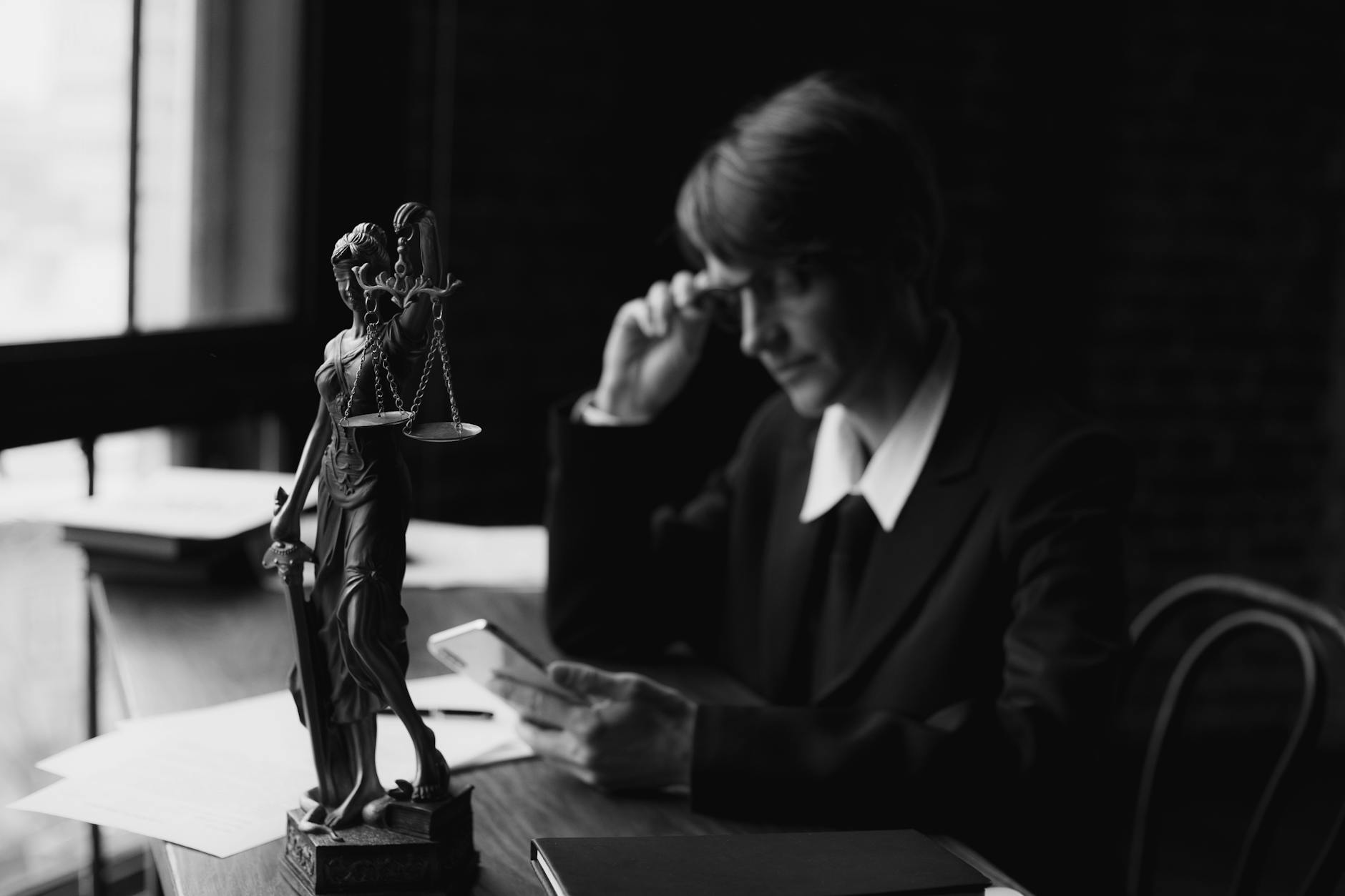
The U.S. Supreme Court is reviewing a pivotal case on AI-generated art and copyright, with major implications for technology companies, artists, and creative industries nationwide.
Washington, D.C. — On February 25, 2026, the U.S. Supreme Court began hearing oral arguments in a high-profile copyright case that pits leading technology companies against a coalition of artists and creative professionals. The case, Anderson et al. v. NovaGen AI, centers on whether artificial intelligence models that generate images and music using vast datasets of copyrighted works infringe on the rights of original creators, according to Reuters.
At stake is the future of generative AI in the creative sector. The plaintiffs, a group of renowned artists and musicians, claim that NovaGen AI's software unlawfully replicates their styles and content. Tech companies argue their models operate within fair use, enabling innovation and democratizing art creation.

Background: The Rise of Generative AI
Artificial intelligence capable of producing realistic images, music, and text has advanced rapidly since 2022. Companies like NovaGen, SynthAI, and ArtMind have released tools that allow users to create new works by inputting prompts, as reported by The New York Times.These tools are trained on massive datasets scraped from the internet, often including copyrighted material. According to a 2025 study by the Center for Digital Innovation, over 60% of AI training data includes protected works, raising questions about intellectual property rights.
The Plaintiffs: Artists Seek Protection
The lead plaintiff, painter Julia Anderson, alleges that NovaGen's AI generated images indistinguishable from her signature style. "My life's work is being diluted and exploited," Anderson told The Washington Post. Other plaintiffs include Grammy-winning composer Raul Jimenez and digital illustrator Mei Lin.The artists argue that AI-generated outputs threaten their livelihoods and devalue original art. They claim NovaGen's model creates derivative works without permission, violating the Copyright Act of 1976. The case has drawn support from the Authors Guild and Recording Industry Association of America.

Tech Giants Defend Innovation
NovaGen and its industry allies, including Meta and Google, counter that their AI systems do not store or reproduce specific copyrighted works. Instead, they say the models learn general patterns and generate new, transformative content, which they argue falls under fair use doctrine.In a statement to CNBC, NovaGen CEO Priya Desai said, "Our technology empowers millions to express themselves creatively. Restricting AI would stifle progress and limit access to artistic tools." Tech companies warn that a ruling against them could chill innovation across sectors reliant on machine learning.
Lower Courts Split on AI Copyright
The case reached the Supreme Court after conflicting rulings in federal courts. In 2025, the Ninth Circuit sided with the artists, finding that NovaGen's training practices constituted copyright infringement. However, the Second Circuit ruled in favor of NovaGen, citing the transformative nature of AI outputs, as detailed by Bloomberg Law.Legal experts say the Supreme Court's decision could clarify how existing copyright law applies to AI, an area currently marked by uncertainty. "This is the most significant copyright case in a generation," said Professor Linda Patel of Georgetown Law.

Public and Industry Reactions
The case has sparked intense debate. Artists' unions staged demonstrations outside the Supreme Court, demanding stronger protections. Meanwhile, tech advocates have launched campaigns highlighting the benefits of AI for education, accessibility, and small creators.A recent Pew Research Center poll found that 53% of Americans believe AI companies should compensate artists if their works are used in training data. However, 41% support broader access to AI tools, even if it means looser copyright enforcement.
Potential Impact on Creative Industries
The outcome could reshape the economics of art, music, and publishing. If the Court sides with the artists, tech firms may need to license content or restrict AI outputs, potentially costing billions. Conversely, a win for tech could accelerate AI adoption but raise ethical concerns.According to an analysis by The Economic Times, the global generative AI market is projected to reach $110 billion by 2028. Legal clarity could determine how much of that value flows to original creators versus technology companies.

International Ramifications
Other countries are watching closely. The European Union is considering its own AI copyright regulations, while Japan and South Korea have proposed guidelines for AI training data. Experts say a U.S. Supreme Court ruling could influence global standards.WIPO, the World Intellectual Property Organization, has called for international cooperation on AI and copyright. "A patchwork of national laws could hinder innovation and trade," said WIPO Director General Daren Tang in a recent report.
What's Next: Timeline and Expectations
The Supreme Court is expected to issue a decision by June 2026. Legal analysts anticipate a closely divided ruling, with major implications for future AI development and copyright enforcement.In the meantime, both sides are preparing for potential legislative action. Lawmakers in Congress have introduced bills aimed at updating copyright law for the AI era, but progress has stalled amid partisan disagreements.
Sources
This article draws on information from Reuters, The New York Times, The Washington Post, CNBC, Bloomberg Law, Pew Research Center, The Economic Times, and WIPO reports.Sources: Information sourced from Reuters, The New York Times, The Washington Post, CNBC, Bloomberg Law, Pew Research Center, The Economic Times, and WIPO reports.