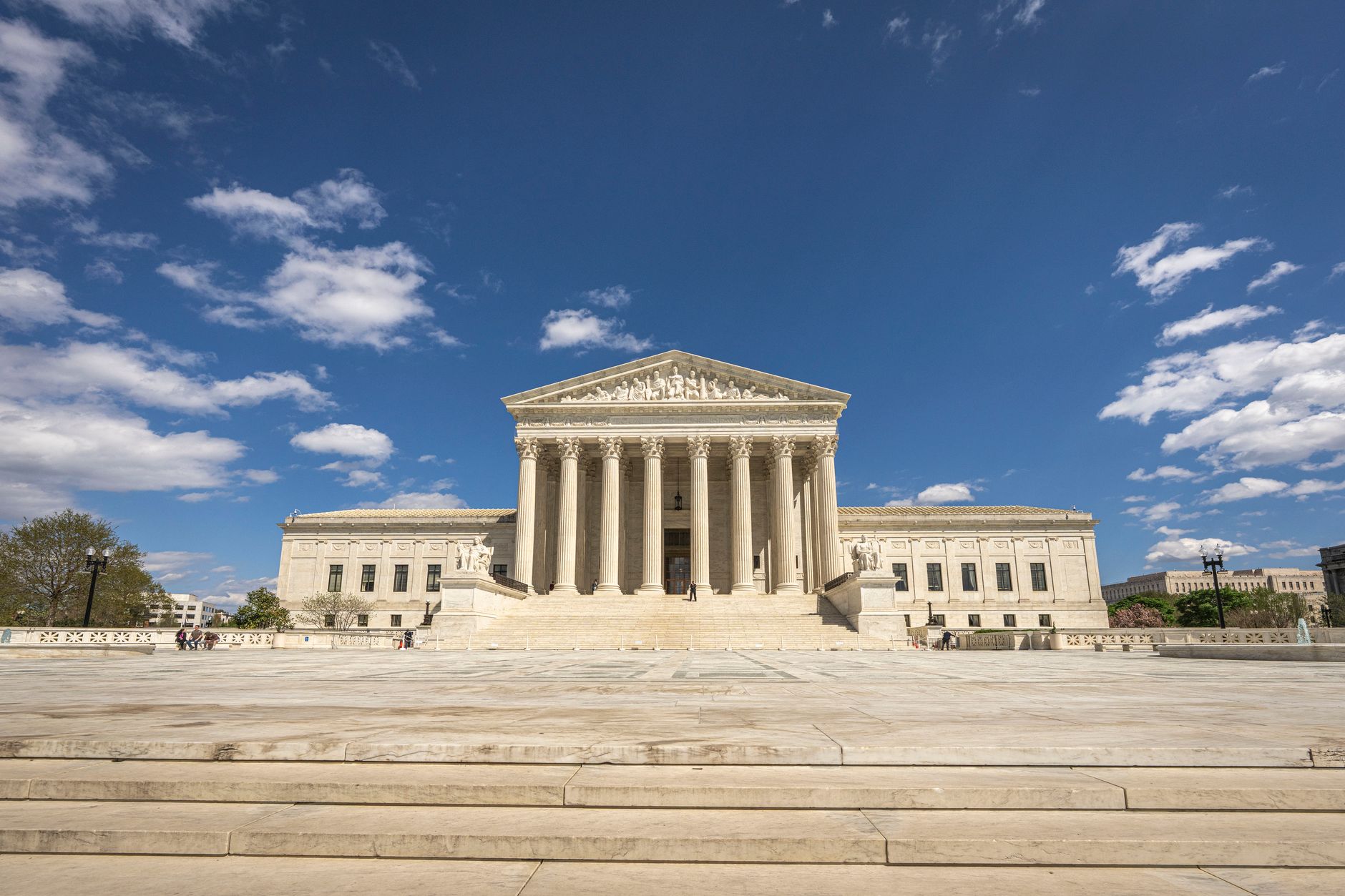
The U.S. Supreme Court’s July 2026 ruling on AI-generated content copyright sets a precedent, impacting tech firms, creators, and legal frameworks worldwide. Here’s a deep dive into the decision.
Washington, D.C., July 17, 2026 — In a landmark ruling today, the U.S. Supreme Court decided that works created solely by artificial intelligence without human input cannot be granted copyright protection, reshaping the legal landscape for technology companies, creators, and the broader digital economy.
The case, Anderson v. United States Copyright Office, centered on a dispute between tech entrepreneur Michael Anderson and the U.S. Copyright Office over the registration of an AI-generated novel. The Court’s 6-3 decision, delivered by Chief Justice Elena Rodriguez, affirmed lower court rulings that only works with significant human authorship qualify for copyright.

This decision comes amid explosive growth in generative AI technologies, with companies like OpenAI, Google, and Meta releasing tools capable of producing text, images, and music at scale. The ruling clarifies a critical legal question as AI-generated content floods digital platforms, raising issues around ownership, attribution, and creative rights.
Background: The Rise of AI-Generated Content
Since 2023, generative AI models have transformed creative industries, producing everything from best-selling novels to viral artwork. According to a 2025 Pew Research Center report, over 30% of new digital content published in the U.S. last year was generated or co-generated by AI systems.
Michael Anderson’s case began in 2024, when he attempted to copyright a 300-page science fiction novel written entirely by his proprietary AI, ‘Evelyn’. The Copyright Office rejected the application, citing the lack of human authorship. Anderson sued, arguing that the law should adapt to new technological realities.
Lower courts sided with the Copyright Office, referencing the Copyright Act of 1976, which implies human creativity as a prerequisite. The Supreme Court’s review drew widespread attention, with amicus briefs filed by major tech firms, creative guilds, and digital rights organizations.
The Supreme Court’s Decision
Chief Justice Rodriguez wrote, “Copyright law has always recognized the human mind as the source of creative expression. While AI can generate remarkable works, the absence of human authorship precludes copyright protection under current statutes.”
The majority opinion emphasized that Congress, not the courts, should determine whether to extend copyright to AI-generated works. The dissent, led by Justice Samuel Lee, warned that the decision could stifle innovation and leave valuable works unprotected.

Legal scholars note that the ruling aligns with international norms. The World Intellectual Property Organization (WIPO) and the European Union have similarly declined to recognize AI as a legal author, though debates continue globally.
Industry and Legal Reactions
Tech companies expressed mixed reactions. OpenAI and Google welcomed the clarity, stating it would encourage responsible AI development. The Authors Guild and other creative groups praised the protection of human creators’ rights, while some digital rights advocates called for legislative reform to address gaps left by the ruling.
“This decision ensures that human creativity remains at the heart of our copyright system,” said Authors Guild president Lisa Chen, as quoted by Reuters. However, the Electronic Frontier Foundation warned that the lack of protection could lead to misuse or exploitation of AI-generated works.
Impact on Technology and Creative Sectors

The ruling is expected to have far-reaching effects. According to The Wall Street Journal, tech firms may need to adjust their business models, relying more on hybrid approaches where human input is integrated into AI workflows to secure copyright protection.
Publishers and media companies, already grappling with a surge of AI-generated submissions, will need to revise policies to ensure compliance. The decision may also influence ongoing lawsuits over AI training data and copyright infringement, as noted by The New York Times.
Legal experts suggest the ruling could accelerate Congressional action. Senator Maria Torres (D-CA) announced plans to introduce legislation clarifying the rights and responsibilities around AI-generated content, aiming to balance innovation with protection for creators.
What’s Next: Legislative and Global Implications
The Supreme Court’s decision leaves open questions about derivative works, collaborative AI-human projects, and international enforcement. Lawmakers and regulators are expected to address these gaps in the coming months, as the U.S. seeks to maintain its leadership in AI innovation.
Globally, the ruling is likely to influence ongoing debates in the EU, UK, and Asia, where policymakers are considering similar questions. As AI-generated content becomes ubiquitous, the balance between fostering innovation and protecting creators’ rights will remain a central legal and ethical challenge.
Sources
- Pew Research Center
- Reuters
- The Wall Street Journal
- The New York Times
- World Intellectual Property Organization
Sources: Information sourced from Pew Research Center, Reuters, The Wall Street Journal, The New York Times, and WIPO reports.