
The U.S. Supreme Court has delivered a pivotal ruling in a high-profile climate liability case, shaping the future of lawsuits against oil giants accused of fueling global warming.
Washington, D.C., July 14, 2026 — The U.S. Supreme Court issued a landmark decision today in the case of City of Baltimore v. ExxonMobil, a closely watched lawsuit that could set a precedent for climate change litigation nationwide. The ruling, delivered in a 6-3 split, determines whether state or federal courts have jurisdiction over lawsuits seeking to hold oil companies financially responsible for the impacts of climate change, according to Reuters.
The case centers on Baltimore’s attempt to hold ExxonMobil, Chevron, BP, and other major oil firms accountable for damages linked to rising sea levels and extreme weather events. The city alleges that these companies misled the public about the dangers of fossil fuels, contributing to environmental harm and municipal costs, as reported by The New York Times.
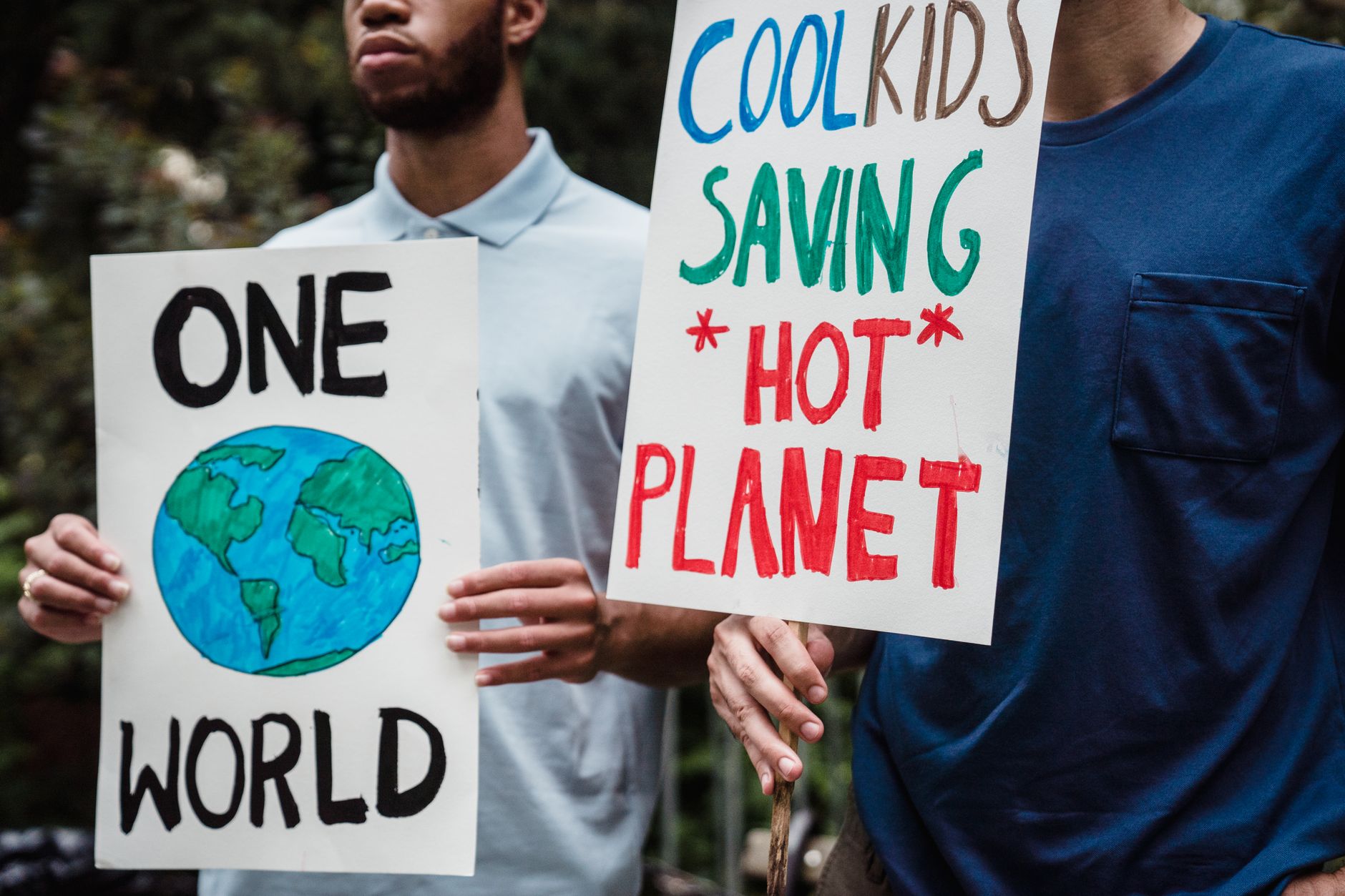
Background: The Rise of Climate Lawsuits
Climate litigation has surged in recent years, with more than 2,400 cases filed globally by 2026, according to the Grantham Research Institute. U.S. cities and states have increasingly turned to the courts to seek compensation for climate-related damages, arguing that oil companies knew about the risks of carbon emissions but failed to act responsibly.Baltimore’s lawsuit, first filed in 2018, is one of over two dozen similar cases in the United States. Plaintiffs argue that oil producers engaged in deceptive marketing and lobbied against climate action, exacerbating the crisis. The companies counter that climate policy is a federal matter and that lawsuits should be dismissed or moved to federal courts, where they have historically fared better.
The Supreme Court’s Decision
In its decision, the Supreme Court ruled that federal courts, not state courts, have jurisdiction over climate liability lawsuits involving interstate and international issues. Writing for the majority, Chief Justice John Roberts emphasized that the cases "raise significant federal questions" and impact national energy policy, as detailed in the Court’s published opinion.The ruling overturns lower court decisions that allowed Baltimore and other municipalities to pursue their claims in state courts. Legal experts say this shift could make it harder for plaintiffs to win damages, as federal courts have generally been less receptive to climate tort claims, according to Bloomberg Law.
Reactions from Plaintiffs and Defendants
Baltimore officials expressed disappointment, stating that the decision undermines local efforts to seek justice and recoup costs for climate adaptation. "This is a setback for cities on the front lines of the climate crisis," said Baltimore Mayor Brandon Scott in a press conference covered by NPR.Oil companies welcomed the ruling, arguing that climate change is a global challenge requiring legislative, not judicial, solutions. "We are pleased that the Court recognized the need for a uniform federal approach," said an ExxonMobil spokesperson, as quoted by The Wall Street Journal.

Legal and Policy Analysis
Legal scholars note that the decision could have far-reaching consequences for climate litigation. By shifting cases to federal courts, plaintiffs may face higher hurdles, including stricter standards for proving causation and damages. According to Professor Michael Gerrard of Columbia Law School, "This ruling narrows the path for holding fossil fuel companies liable in U.S. courts."Environmental groups criticized the decision, warning that it could stymie accountability efforts. However, some experts suggest that plaintiffs may adapt by refining their legal strategies or pursuing alternative claims under consumer protection or securities laws, as discussed in a recent Yale Law Journal article.
Implications for Other Pending Cases
The Supreme Court’s ruling directly affects similar lawsuits filed by cities and states across the country, including cases in California, New York, and Massachusetts. Many of these cases had been paused pending the outcome of the Baltimore appeal, according to The Washington Post.Legal analysts predict a wave of motions from oil companies to transfer or dismiss cases now that the jurisdictional question is settled. Some state attorneys general have vowed to continue their legal battles, arguing that state law claims remain viable despite the ruling.

Economic and Environmental Impact
The financial stakes are significant. Baltimore and other plaintiffs seek billions of dollars to fund infrastructure upgrades, flood defenses, and public health measures. A 2025 report by the U.S. Government Accountability Office estimated that coastal cities face more than $400 billion in climate adaptation costs over the next decade.Oil companies could have faced substantial liabilities if the lawsuits succeeded in state courts. The Supreme Court’s decision reduces this risk, potentially stabilizing energy markets and investor confidence, as noted in an analysis by S&P Global.
Global Context: Climate Litigation Beyond the U.S.
The U.S. ruling comes amid a global surge in climate lawsuits. In 2026, the International Court of Justice is considering an advisory opinion on state responsibility for climate harm, and courts in Europe and Australia have issued precedent-setting decisions against governments and corporations, according to The Guardian.Legal observers say the U.S. Supreme Court’s decision may influence courts in other jurisdictions, shaping the global landscape for climate accountability. However, each country’s legal system and climate policies vary, making direct comparisons challenging.
What’s Next for Climate Accountability?
Despite the setback, advocates for climate accountability vow to press on. Baltimore officials are exploring legislative options and alternative legal avenues. Environmental groups are urging Congress to pass laws clarifying corporate liability for climate damages.Some experts predict that climate litigation will continue to evolve, with new cases focusing on greenwashing, investor disclosures, and human rights violations. The Supreme Court’s ruling marks a turning point, but the broader debate over responsibility for climate change is far from settled.
Sources
This article draws on reporting and analysis from Reuters, The New York Times, Bloomberg Law, NPR, The Wall Street Journal, The Washington Post, S&P Global, The Guardian, and the Yale Law Journal.Sources: Information sourced from Reuters, The New York Times, Bloomberg Law, NPR, The Wall Street Journal, The Washington Post, S&P Global, The Guardian, and Yale Law Journal.