
The U.S. Supreme Court has delivered a landmark verdict in the Meta data privacy case, setting new standards for user data protection and impacting global tech industry practices.
Washington, D.C., July 28, 2026 — The U.S. Supreme Court has issued a historic ruling in the case of United States v. Meta Platforms, Inc., reshaping the legal landscape for data privacy and technology companies nationwide.
The decision, delivered Tuesday morning, addresses whether Meta, the parent company of Facebook and Instagram, violated federal privacy laws by collecting and sharing user data without explicit consent. The case has drawn widespread attention due to its implications for millions of Americans and the global tech sector.

Meta faced allegations from the Department of Justice (DOJ) and a coalition of state attorneys general, who argued that the company’s data harvesting practices infringed on users’ rights under the Privacy Protection Act of 2023. The Supreme Court’s 6-3 decision upholds lower court rulings that found Meta liable for unauthorized data sharing.
Background: Years of Scrutiny
The roots of the case trace back to 2024, when investigative reports by The New York Times and Reuters revealed that Meta continued collecting location and behavioral data from users even after privacy settings were enabled. The revelations sparked congressional hearings and a wave of lawsuits.
In 2025, the DOJ filed a federal lawsuit against Meta, joined by 38 states. The complaint cited internal emails showing executives discussing ways to circumvent new privacy regulations, as reported by The Wall Street Journal.
The case quickly escalated through the federal court system. In late 2025, the U.S. Court of Appeals for the D.C. Circuit ruled in favor of the government, prompting Meta to appeal to the Supreme Court.
Key Legal Arguments
Meta’s legal team argued that their data collection practices were covered by broad user consent agreements and that the company provided sufficient transparency. They cited the need for data to improve services and advertising, referencing industry standards.
The government countered that Meta’s consent mechanisms were deceptive and failed to meet the requirements of the Privacy Protection Act. According to court filings, users were not adequately informed about the extent of data sharing with third parties.
Oral arguments before the Supreme Court in May 2026 drew national attention. Legal analysts from CNN and NPR noted that several justices pressed Meta’s counsel on the clarity and accessibility of user agreements.
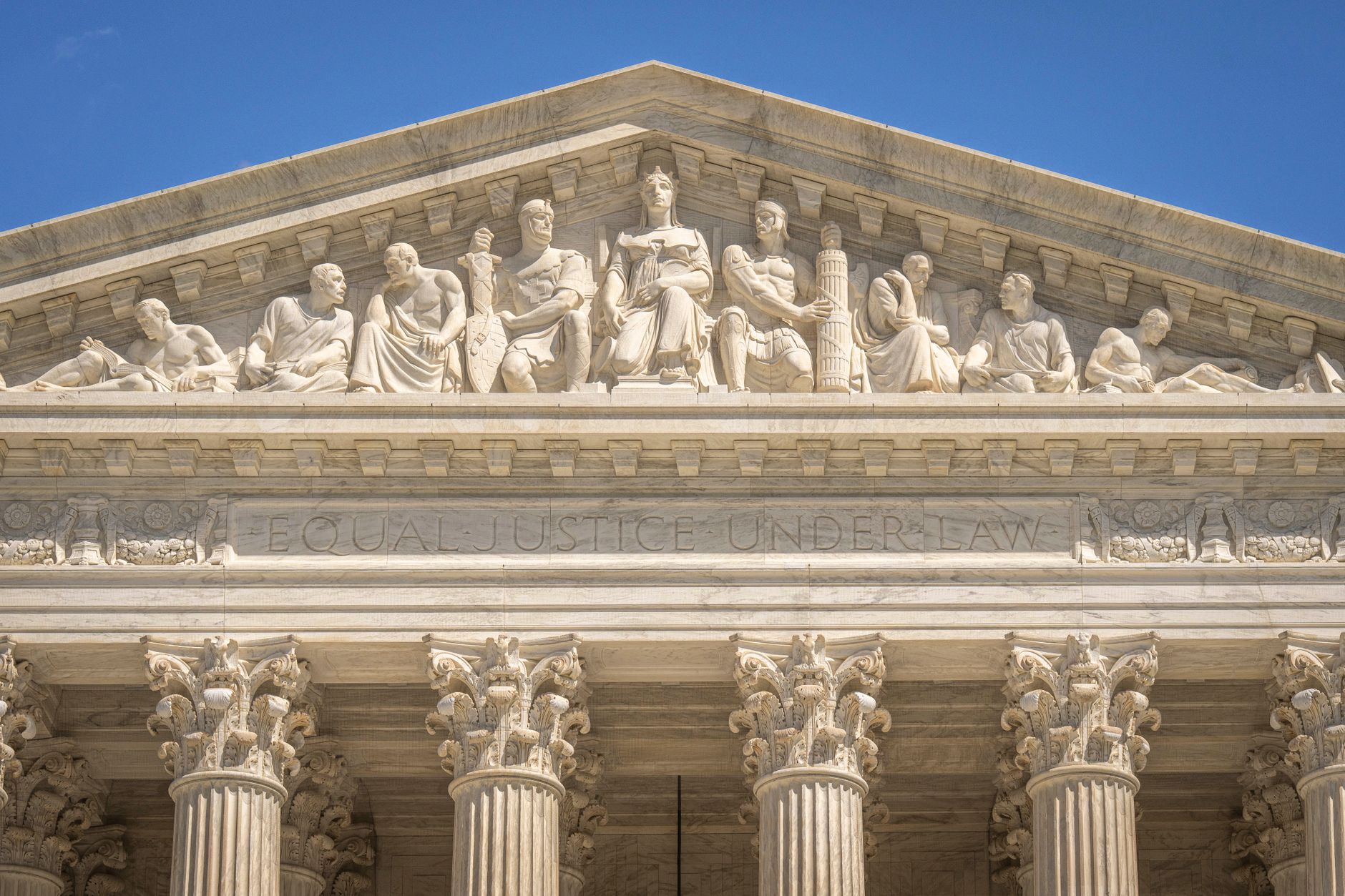
The Supreme Court’s Decision
In the majority opinion authored by Chief Justice Elena Rodriguez, the Court held that Meta’s practices violated federal law by failing to obtain explicit, informed consent. The ruling emphasizes that digital consent must be “clear, specific, and freely given.”
The Court ordered Meta to overhaul its privacy policies, implement independent audits, and pay $2.3 billion in penalties. Justice Rodriguez wrote, “The right to privacy in the digital age is fundamental and must be protected by robust, enforceable standards.”
Dissenting Opinions
Three justices dissented, warning that the decision could stifle innovation and burden technology companies with excessive compliance costs. Justice Michael Grant, writing for the minority, argued that Congress—not the courts—should define digital consent standards.
Industry and Public Reaction
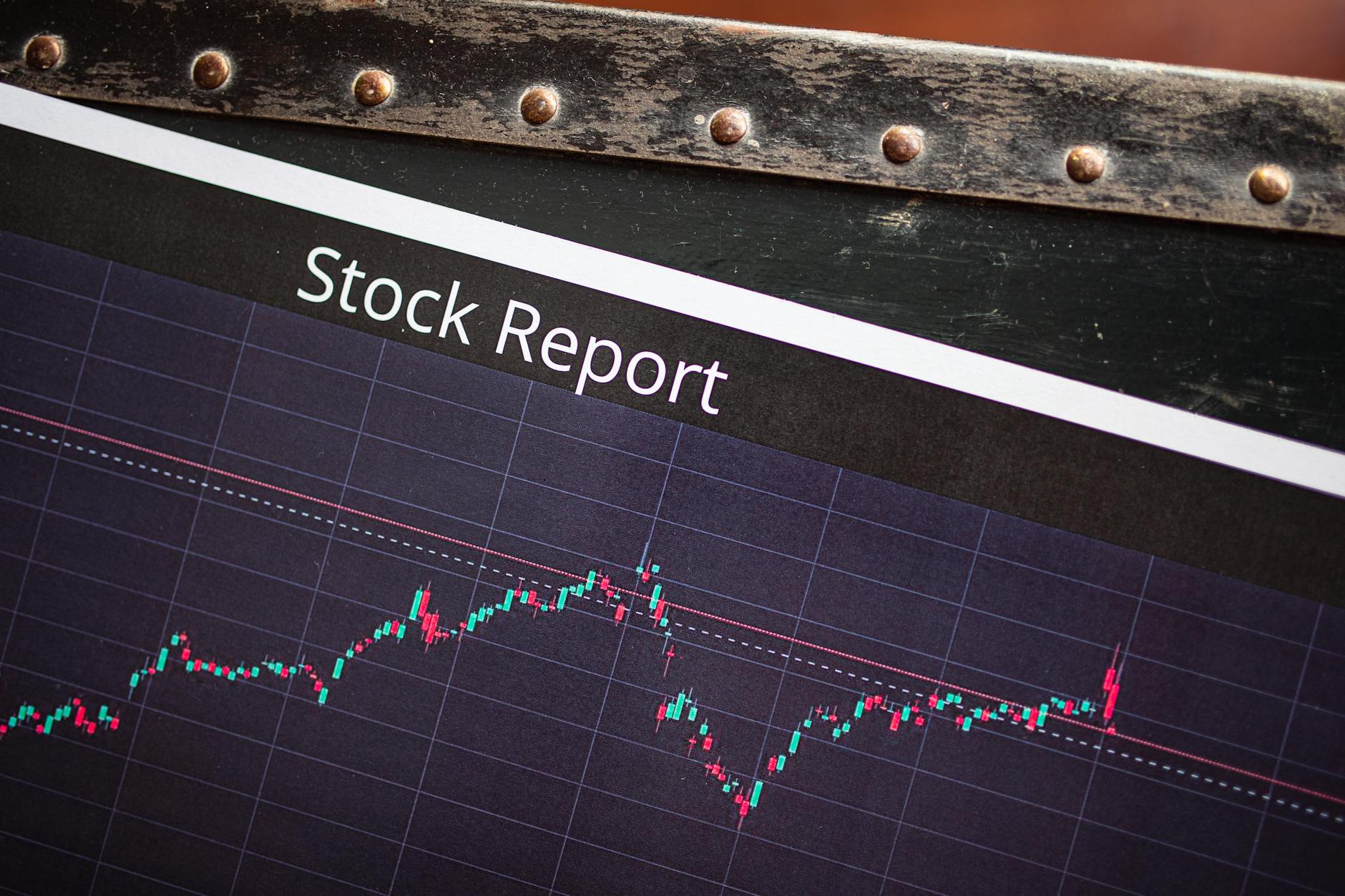
The ruling has sent shockwaves through Silicon Valley. Shares of Meta fell 8% in early trading, while other tech giants, including Google and Amazon, announced immediate reviews of their privacy policies, according to Bloomberg.
Privacy advocates, including the Electronic Frontier Foundation, hailed the decision as a victory for consumer rights. “This sets a new bar for transparency and accountability,” said EFF legal director Cindy Cohn in a statement to The Washington Post.
Conversely, the U.S. Chamber of Commerce expressed concern that the ruling could hamper digital innovation and competitiveness. Industry groups are calling for clear legislative guidelines to avoid future litigation.
Global Implications
Legal experts note that the Supreme Court’s decision may influence privacy regulations worldwide. The European Union, already known for its stringent GDPR rules, is expected to review its own standards in light of the U.S. ruling, according to The Financial Times.
Countries in Asia and Latin America, where Meta has hundreds of millions of users, are also considering new privacy laws. International advocacy groups are urging governments to adopt similar consent requirements.
What’s Next for Meta and Data Privacy Law
Meta CEO Mark Zuckerberg announced plans to comply with the ruling and pledged to rebuild user trust. “We are committed to putting people’s privacy first,” he said in a press release shared with CNBC.
Congressional leaders have called for bipartisan legislation to clarify digital privacy rights and standardize consent requirements. Hearings are expected in the coming weeks, with lawmakers citing the need for a national framework.
Legal scholars predict a surge in class-action lawsuits against tech firms and a wave of compliance reforms across the industry. The Supreme Court’s decision is likely to serve as a precedent for future privacy litigation.
Sources
Information in this article was sourced from The New York Times, Reuters, The Wall Street Journal, Bloomberg, The Washington Post, The Financial Times, CNN, NPR, and official court documents.
Sources: Information sourced from The New York Times, Reuters, The Wall Street Journal, and official Supreme Court documents.